

19 Bio-applications of NIR Spectroscopy
417
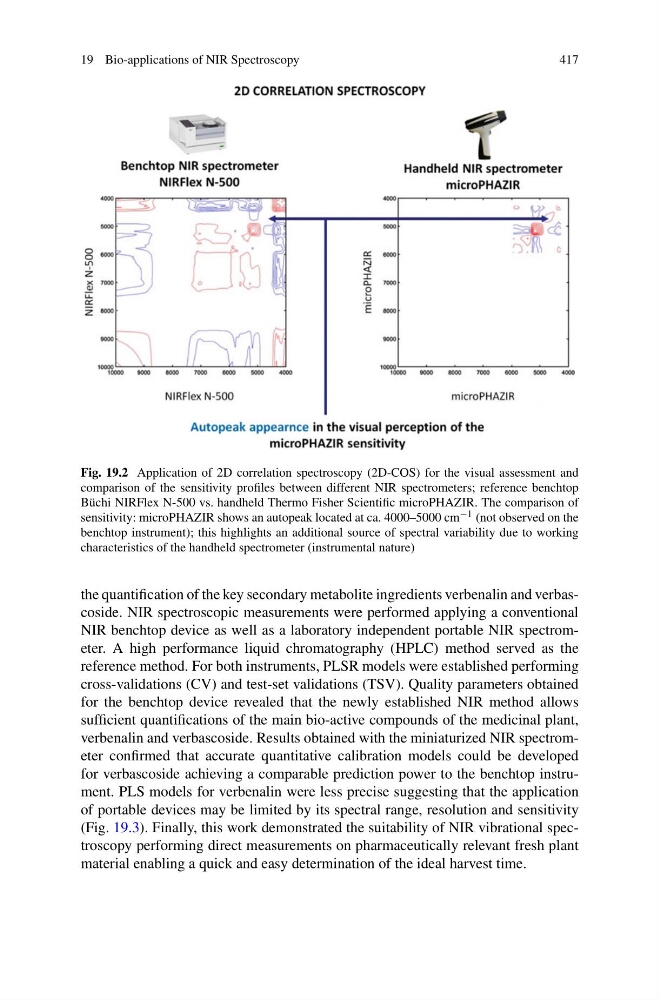
Fig. 19.2 Application of 2D correlation spectroscopy (2D-COS) for the visual assessment and
comparison of the sensitivity profiles between different NIR spectrometers; reference benchtop
Büchi NIRFlex N-500 vs. handheld Thermo Fisher Scientific microPHAZIR. The comparison of
sensitivity: microPHAZIR shows an autopeak located at ca. 4000–5000 cm −1 (not observed on the
benchtop instrument); this highlights an additional source of spectral variability due to working
characteristics of the handheld spectrometer (instrumental nature)
the quantification of the key secondary metabolite ingredients verbenalin and verbascoside. NIR spectroscopic measurements were performed applying a conventional
NIR benchtop device as well as a laboratory independent portable NIR spectrometer. A high performance liquid chromatography (HPLC) method served as the
reference method. For both instruments, PLSR models were established performing
cross-validations (CV) and test-set validations (TSV). Quality parameters obtained
for the benchtop device revealed that the newly established NIR method allows
sufficient quantifications of the main bio-active compounds of the medicinal plant,
verbenalin and verbascoside. Results obtained with the miniaturized NIR spectrometer confirmed that accurate quantitative calibration models could be developed
for verbascoside achieving a comparable prediction power to the benchtop instrument. PLS models for verbenalin were less precise suggesting that the application
of portable devices may be limited by its spectral range, resolution and sensitivity
(Fig. 19.3). Finally, this work demonstrated the suitability of NIR vibrational spectroscopy performing direct measurements on pharmaceutically relevant fresh plant
material enabling a quick and easy determination of the ideal harvest time.
417
Fig. 19.2 Application of 2D correlation spectroscopy (2D-COS) for the visual assessment and
comparison of the sensitivity profiles between different NIR spectrometers; reference benchtop
Büchi NIRFlex N-500 vs. handheld Thermo Fisher Scientific microPHAZIR. The comparison of
sensitivity: microPHAZIR shows an autopeak located at ca. 4000–5000 cm −1 (not observed on the
benchtop instrument); this highlights an additional source of spectral variability due to working
characteristics of the handheld spectrometer (instrumental nature)
the quantification of the key secondary metabolite ingredients verbenalin and verbascoside. NIR spectroscopic measurements were performed applying a conventional
NIR benchtop device as well as a laboratory independent portable NIR spectrometer. A high performance liquid chromatography (HPLC) method served as the
reference method. For both instruments, PLSR models were established performing
cross-validations (CV) and test-set validations (TSV). Quality parameters obtained
for the benchtop device revealed that the newly established NIR method allows
sufficient quantifications of the main bio-active compounds of the medicinal plant,
verbenalin and verbascoside. Results obtained with the miniaturized NIR spectrometer confirmed that accurate quantitative calibration models could be developed
for verbascoside achieving a comparable prediction power to the benchtop instrument. PLS models for verbenalin were less precise suggesting that the application
of portable devices may be limited by its spectral range, resolution and sensitivity
(Fig. 19.3). Finally, this work demonstrated the suitability of NIR vibrational spectroscopy performing direct measurements on pharmaceutically relevant fresh plant
material enabling a quick and easy determination of the ideal harvest time.