

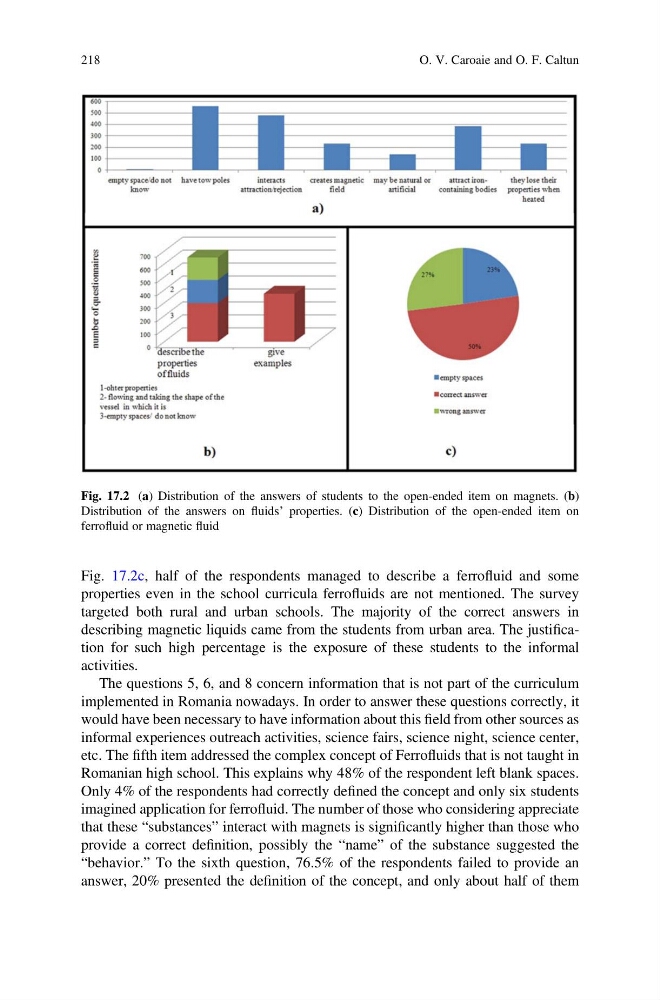
Fig. 17.2c, half of the respondents managed to describe a ferrofluid and some
properties even in the school curricula ferrofluids are not mentioned. The survey
targeted both rural and urban schools. The majority of the correct answers in
describing magnetic liquids came from the students from urban area. The justification for such high percentage is the exposure of these students to the informal
activities.
The questions 5, 6, and 8 concern information that is not part of the curriculum
implemented in Romania nowadays. In order to answer these questions correctly, it
would have been necessary to have information about this field from other sources as
informal experiences outreach activities, science fairs, science night, science center,
etc. The fifth item addressed the complex concept of Ferrofluids that is not taught in
Romanian high school. This explains why 48% of the respondent left blank spaces.
Only 4% of the respondents had correctly defined the concept and only six students
imagined application for ferrofluid. The number of those who considering appreciate
that these “substances” interact with magnets is significantly higher than those who
provide a correct definition, possibly the “name” of the substance suggested the
“behavior.” To the sixth question, 76.5% of the respondents failed to provide an
answer, 20% presented the definition of the concept, and only about half of them
Fig. 17.2 (a) Distribution of the answers of students to the open-ended item on magnets. (b)
Distribution of the answers on fluids’ properties. (c) Distribution of the open-ended item on
ferrofluid or magnetic fluid
218
O. V. Caroaie and O. F. Caltun
properties even in the school curricula ferrofluids are not mentioned. The survey
targeted both rural and urban schools. The majority of the correct answers in
describing magnetic liquids came from the students from urban area. The justification for such high percentage is the exposure of these students to the informal
activities.
The questions 5, 6, and 8 concern information that is not part of the curriculum
implemented in Romania nowadays. In order to answer these questions correctly, it
would have been necessary to have information about this field from other sources as
informal experiences outreach activities, science fairs, science night, science center,
etc. The fifth item addressed the complex concept of Ferrofluids that is not taught in
Romanian high school. This explains why 48% of the respondent left blank spaces.
Only 4% of the respondents had correctly defined the concept and only six students
imagined application for ferrofluid. The number of those who considering appreciate
that these “substances” interact with magnets is significantly higher than those who
provide a correct definition, possibly the “name” of the substance suggested the
“behavior.” To the sixth question, 76.5% of the respondents failed to provide an
answer, 20% presented the definition of the concept, and only about half of them
Fig. 17.2 (a) Distribution of the answers of students to the open-ended item on magnets. (b)
Distribution of the answers on fluids’ properties. (c) Distribution of the open-ended item on
ferrofluid or magnetic fluid
218
O. V. Caroaie and O. F. Caltun