

77
short blocks are much more attractive than the redeveloped sites and should be
protected from modern redevelopment.
In recent years, North American cities have come to recognize the value of urban
farmland. This mix of residential and agricultural land is already common scenery
in sprawling urban areas in Japanese cities. Many Japanese planners consider
sprawled urban areas – “grey” urban environment – as a failure of modern urban
planning, and try to improve or even redevelop these areas. Re-evaluating the positive aspects of this grey urban environment may very well provide alternative solutions to a sustainable and resilient city.
4.4.3 New Values and Ideas to Stay Grey
At this point we would like to introduce three cases with new values and ideas to
ensure a grey urban environment. The first case is a residential area with urban
farmland. Many of the sprawled suburban areas in Japanese cities are residential
areas with farmlands like Nishi-Tokyo City, Tokyo (Fig. 4.24). Here the loss of
urban farmlands or productive green spaces is related to the individual circumstances of aged farmers. Once a plot of urban farmland can no longer be maintained
by a farmer, it will likely become a “mini” development of small-detached houses
for economic benefits.
But recently, the market for detached houses seems to be declining because of
the increase in construction costs and the changing attitudes toward home ownership. An alternative approach to deal with the loss of urban farmland must be found.
Urban farmlands are important in maintaining the quality of sprawled urban area
because the area is unequipped with sufficient streets and parks.
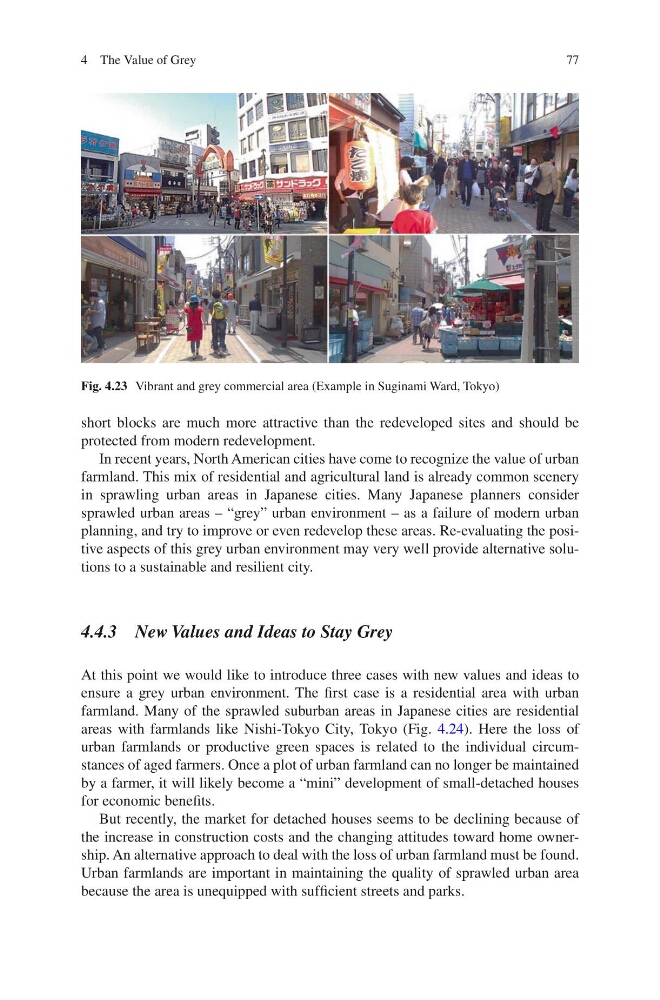
Fig. 4.23 Vibrant and grey commercial area (Example in Suginami Ward, Tokyo)
4 The Value of Grey
short blocks are much more attractive than the redeveloped sites and should be
protected from modern redevelopment.
In recent years, North American cities have come to recognize the value of urban
farmland. This mix of residential and agricultural land is already common scenery
in sprawling urban areas in Japanese cities. Many Japanese planners consider
sprawled urban areas – “grey” urban environment – as a failure of modern urban
planning, and try to improve or even redevelop these areas. Re-evaluating the positive aspects of this grey urban environment may very well provide alternative solutions to a sustainable and resilient city.
4.4.3 New Values and Ideas to Stay Grey
At this point we would like to introduce three cases with new values and ideas to
ensure a grey urban environment. The first case is a residential area with urban
farmland. Many of the sprawled suburban areas in Japanese cities are residential
areas with farmlands like Nishi-Tokyo City, Tokyo (Fig. 4.24). Here the loss of
urban farmlands or productive green spaces is related to the individual circumstances of aged farmers. Once a plot of urban farmland can no longer be maintained
by a farmer, it will likely become a “mini” development of small-detached houses
for economic benefits.
But recently, the market for detached houses seems to be declining because of
the increase in construction costs and the changing attitudes toward home ownership. An alternative approach to deal with the loss of urban farmland must be found.
Urban farmlands are important in maintaining the quality of sprawled urban area
because the area is unequipped with sufficient streets and parks.
Fig. 4.23 Vibrant and grey commercial area (Example in Suginami Ward, Tokyo)
4 The Value of Grey