

14 Fundamentals of Advanced Materials …
425
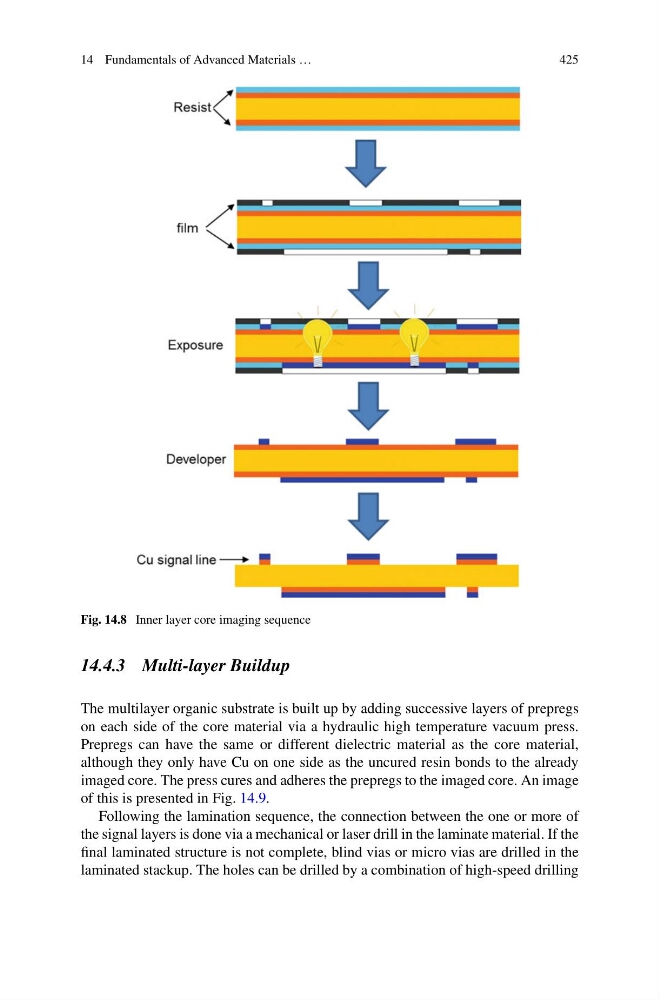
Fig. 14.8 Inner layer core imaging sequence
14.4.3 Multi-layer Buildup
The multilayer organic substrate is built up by adding successive layers of prepregs
on each side of the core material via a hydraulic high temperature vacuum press.
Prepregs can have the same or different dielectric material as the core material,
although they only have Cu on one side as the uncured resin bonds to the already
imaged core. The press cures and adheres the prepregs to the imaged core. An image
of this is presented in Fig. 14.9.
Following the lamination sequence, the connection between the one or more of
the signal layers is done via a mechanical or laser drill in the laminate material. If the
final laminated structure is not complete, blind vias or micro vias are drilled in the
laminated stackup. The holes can be drilled by a combination of high-speed drilling
425
Fig. 14.8 Inner layer core imaging sequence
14.4.3 Multi-layer Buildup
The multilayer organic substrate is built up by adding successive layers of prepregs
on each side of the core material via a hydraulic high temperature vacuum press.
Prepregs can have the same or different dielectric material as the core material,
although they only have Cu on one side as the uncured resin bonds to the already
imaged core. The press cures and adheres the prepregs to the imaged core. An image
of this is presented in Fig. 14.9.
Following the lamination sequence, the connection between the one or more of
the signal layers is done via a mechanical or laser drill in the laminate material. If the
final laminated structure is not complete, blind vias or micro vias are drilled in the
laminated stackup. The holes can be drilled by a combination of high-speed drilling