

9 Copper Micro and Nano Particles Mixture for 3D Interconnection …
251
process. Bonding condition was set to 10 min in N 2 atmosphere at 200 °C, with a
ramping rate of 17 °C/min. After bonding, samples were allowed to cool down to
room temperature for one hour.
Shear test was used to measure the bonding strength provided by the various
pastes. In total, 21 samples were tested with 7 samples of each types of pastes. Since
the paste thickness could not be controlled readily, the amount of paste used in one
sample was set to one drop (approximately 0.1 ml in volume) squeezed from a 5 ml
syringe and then applied on the die and wafer surfaces.
9.4.2 Shear Bond Strength
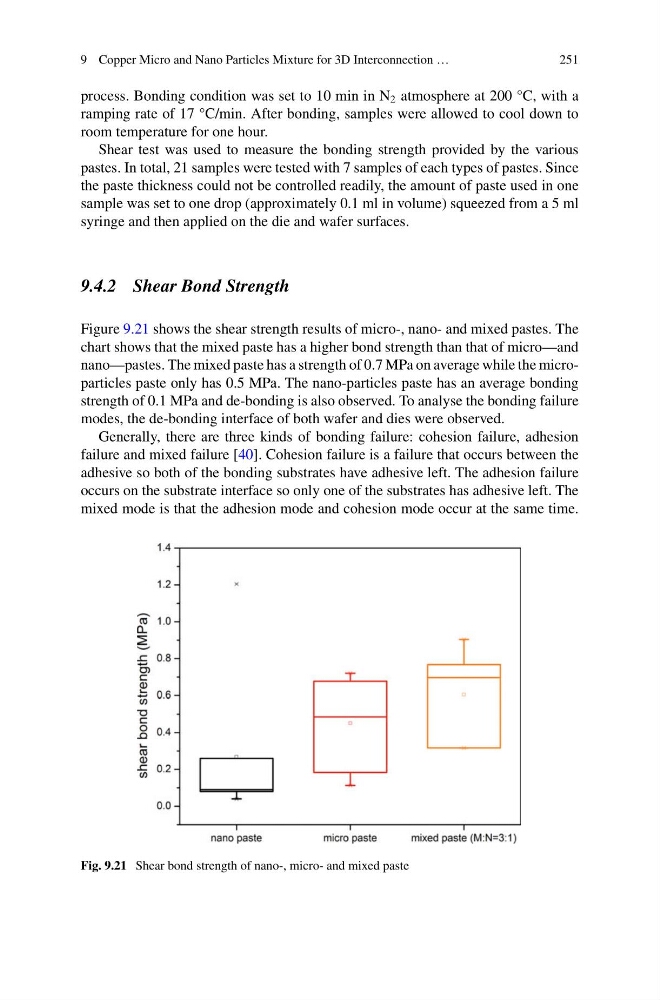
Figure 9.21 shows the shear strength results of micro-, nano- and mixed pastes. The
chart shows that the mixed paste has a higher bond strength than that of micro—and
nano—pastes. The mixed paste has a strength of 0.7 MPa on average while the microparticles paste only has 0.5 MPa. The nano-particles paste has an average bonding
strength of 0.1 MPa and de-bonding is also observed. To analyse the bonding failure
modes, the de-bonding interface of both wafer and dies were observed.
Generally, there are three kinds of bonding failure: cohesion failure, adhesion
failure and mixed failure [40]. Cohesion failure is a failure that occurs between the
adhesive so both of the bonding substrates have adhesive left. The adhesion failure
occurs on the substrate interface so only one of the substrates has adhesive left. The
mixed mode is that the adhesion mode and cohesion mode occur at the same time.
Fig. 9.21 Shear bond strength of nano-, micro- and mixed paste
251
process. Bonding condition was set to 10 min in N 2 atmosphere at 200 °C, with a
ramping rate of 17 °C/min. After bonding, samples were allowed to cool down to
room temperature for one hour.
Shear test was used to measure the bonding strength provided by the various
pastes. In total, 21 samples were tested with 7 samples of each types of pastes. Since
the paste thickness could not be controlled readily, the amount of paste used in one
sample was set to one drop (approximately 0.1 ml in volume) squeezed from a 5 ml
syringe and then applied on the die and wafer surfaces.
9.4.2 Shear Bond Strength
Figure 9.21 shows the shear strength results of micro-, nano- and mixed pastes. The
chart shows that the mixed paste has a higher bond strength than that of micro—and
nano—pastes. The mixed paste has a strength of 0.7 MPa on average while the microparticles paste only has 0.5 MPa. The nano-particles paste has an average bonding
strength of 0.1 MPa and de-bonding is also observed. To analyse the bonding failure
modes, the de-bonding interface of both wafer and dies were observed.
Generally, there are three kinds of bonding failure: cohesion failure, adhesion
failure and mixed failure [40]. Cohesion failure is a failure that occurs between the
adhesive so both of the bonding substrates have adhesive left. The adhesion failure
occurs on the substrate interface so only one of the substrates has adhesive left. The
mixed mode is that the adhesion mode and cohesion mode occur at the same time.
Fig. 9.21 Shear bond strength of nano-, micro- and mixed paste