

107
0.0
1.0
2.0
3.0
4.0
5.0
Hiki
Kiyokawa
1. Diversity of local
food system
2. Local crop varieties and
animal breeds
3. Management of
common resources
4. Landscape diversity
5. Ecosystem protection
6. Ecological interactions
7. Recovery of landscape
8. Innovation in agriculture
and conservation practices
9. Traditional knowledge
10. Documentation of biodiversityassociated knowledge
11. Women’s
knowledge
12. Rights of
land/water
and other
natural
resources
13. Communitybased governance
15. Social equity
14. Social capital
16. Socio-economic
infrastructure
17. Human health
18. Income diversity
19. Biodiversity-based
livelihoods
20. Socio-ecological mobility
Very high scores for indicators on
food and agriculture.
“We
try to consume food produced
here as much as possible”
“Landscape
is diverse but
more lands are becoming
abandoned”
“Bee
pollinator of
plum used are
mostly foreign
species while only
few farmers keep
indigenous
species for
hobby”
Lower scores for
indicators on
knowledge. “We
transmit traditions
directly but
opportunity is
being lost recently.”
Innovation of new
products using indigenous
species of vegetables
Lower scores for
livelihood indicators.
“There is not much job
here that will provide
enough income, so
needs to have mulƟple
income sources”
High score for the
indicator on health.
“Fishing
ground is being
managed by the
cooperaƟves”
“CommunicaƟon
opportuniƟes among
residents decreased
because of the closedown
of the elementary school”.
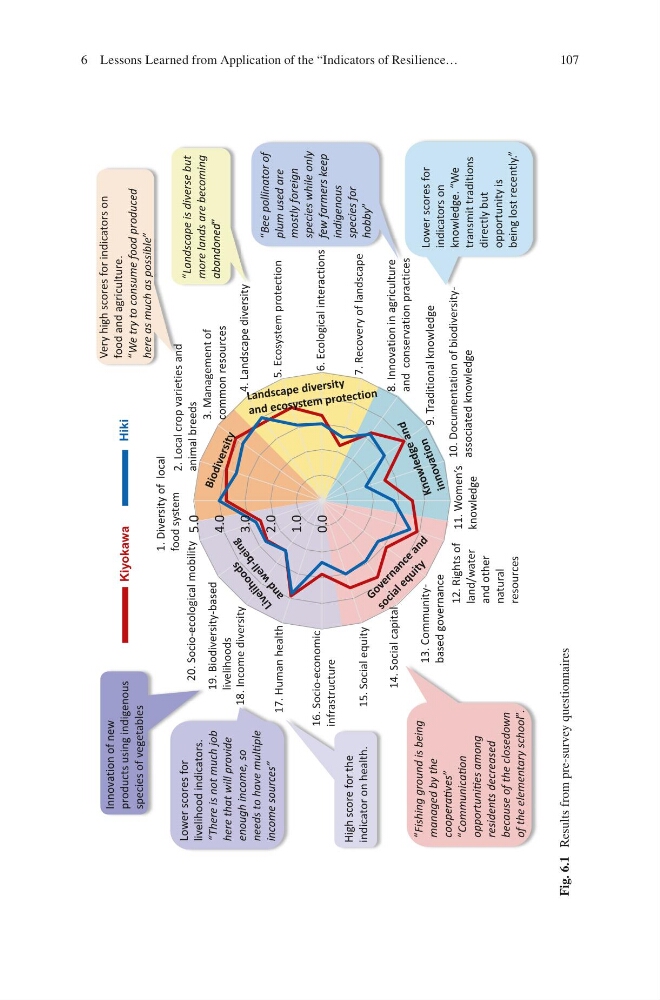
Fig. 6.1 Results from pre-survey questionnaires
6 Lessons Learned from Application of the “Indicators of Resilience…
0.0
1.0
2.0
3.0
4.0
5.0
Hiki
Kiyokawa
1. Diversity of local
food system
2. Local crop varieties and
animal breeds
3. Management of
common resources
4. Landscape diversity
5. Ecosystem protection
6. Ecological interactions
7. Recovery of landscape
8. Innovation in agriculture
and conservation practices
9. Traditional knowledge
10. Documentation of biodiversityassociated knowledge
11. Women’s
knowledge
12. Rights of
land/water
and other
natural
resources
13. Communitybased governance
15. Social equity
14. Social capital
16. Socio-economic
infrastructure
17. Human health
18. Income diversity
19. Biodiversity-based
livelihoods
20. Socio-ecological mobility
Very high scores for indicators on
food and agriculture.
“We
try to consume food produced
here as much as possible”
“Landscape
is diverse but
more lands are becoming
abandoned”
“Bee
pollinator of
plum used are
mostly foreign
species while only
few farmers keep
indigenous
species for
hobby”
Lower scores for
indicators on
knowledge. “We
transmit traditions
directly but
opportunity is
being lost recently.”
Innovation of new
products using indigenous
species of vegetables
Lower scores for
livelihood indicators.
“There is not much job
here that will provide
enough income, so
needs to have mulƟple
income sources”
High score for the
indicator on health.
“Fishing
ground is being
managed by the
cooperaƟves”
“CommunicaƟon
opportuniƟes among
residents decreased
because of the closedown
of the elementary school”.
Fig. 6.1 Results from pre-survey questionnaires
6 Lessons Learned from Application of the “Indicators of Resilience…