

430
A. Kumar et al.
The structure displayed by the SBT sample is cubic, while SBT samples doped by Fe
changed into a tetragonal mode as proved via XRD study. The mean crystallite size
differs from 17 nm to 19 nm. The perovskite structure of synthesized nanoceramics
with space group Pm 3 m was also confirmed by XRD analysis.
The doping concentration of Fe ion in SBT strongly influences magnetic and ferroelectric properties because of the differences in oxidation states as well as the presence
of oxygen vacancies. The combined occurrence of ferroelectric and magnetic properties in SBT makes it a better option for device applications of multi-ferroic nature
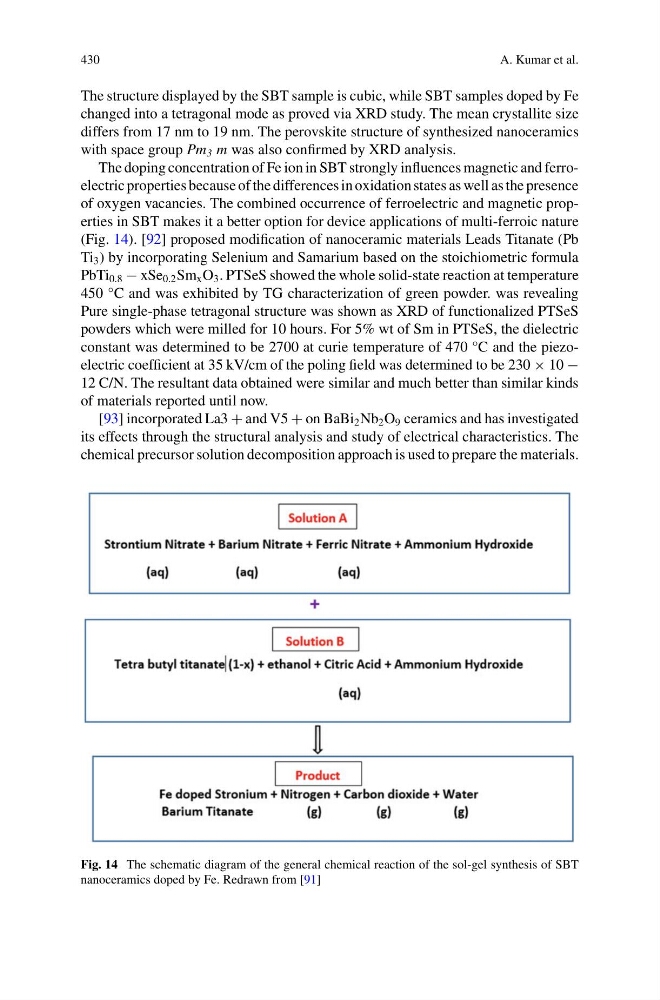
(Fig. 14). [92] proposed modification of nanoceramic materials Leads Titanate (Pb
Ti 3 ) by incorporating Selenium and Samarium based on the stoichiometric formula
PbTi 0.8 − xSe 0.2 Sm x O 3 . PTSeS showed the whole solid-state reaction at temperature
450 °C and was exhibited by TG characterization of green powder. was revealing
Pure single-phase tetragonal structure was shown as XRD of functionalized PTSeS
powders which were milled for 10 hours. For 5% wt of Sm in PTSeS, the dielectric
constant was determined to be 2700 at curie temperature of 470 °C and the piezoelectric coefficient at 35 kV/cm of the poling field was determined to be 230 × 10 −
12 C/N. The resultant data obtained were similar and much better than similar kinds
of materials reported until now.
[93] incorporated La3 + and V5 + on BaBi 2 Nb 2 O 9 ceramics and has investigated
its effects through the structural analysis and study of electrical characteristics. The
chemical precursor solution decomposition approach is used to prepare the materials.
Fig. 14 The schematic diagram of the general chemical reaction of the sol-gel synthesis of SBT
nanoceramics doped by Fe. Redrawn from [91]
A. Kumar et al.
The structure displayed by the SBT sample is cubic, while SBT samples doped by Fe
changed into a tetragonal mode as proved via XRD study. The mean crystallite size
differs from 17 nm to 19 nm. The perovskite structure of synthesized nanoceramics
with space group Pm 3 m was also confirmed by XRD analysis.
The doping concentration of Fe ion in SBT strongly influences magnetic and ferroelectric properties because of the differences in oxidation states as well as the presence
of oxygen vacancies. The combined occurrence of ferroelectric and magnetic properties in SBT makes it a better option for device applications of multi-ferroic nature
(Fig. 14). [92] proposed modification of nanoceramic materials Leads Titanate (Pb
Ti 3 ) by incorporating Selenium and Samarium based on the stoichiometric formula
PbTi 0.8 − xSe 0.2 Sm x O 3 . PTSeS showed the whole solid-state reaction at temperature
450 °C and was exhibited by TG characterization of green powder. was revealing
Pure single-phase tetragonal structure was shown as XRD of functionalized PTSeS
powders which were milled for 10 hours. For 5% wt of Sm in PTSeS, the dielectric
constant was determined to be 2700 at curie temperature of 470 °C and the piezoelectric coefficient at 35 kV/cm of the poling field was determined to be 230 × 10 −
12 C/N. The resultant data obtained were similar and much better than similar kinds
of materials reported until now.
[93] incorporated La3 + and V5 + on BaBi 2 Nb 2 O 9 ceramics and has investigated
its effects through the structural analysis and study of electrical characteristics. The
chemical precursor solution decomposition approach is used to prepare the materials.
Fig. 14 The schematic diagram of the general chemical reaction of the sol-gel synthesis of SBT
nanoceramics doped by Fe. Redrawn from [91]