

234
G. Keerthiga et al.
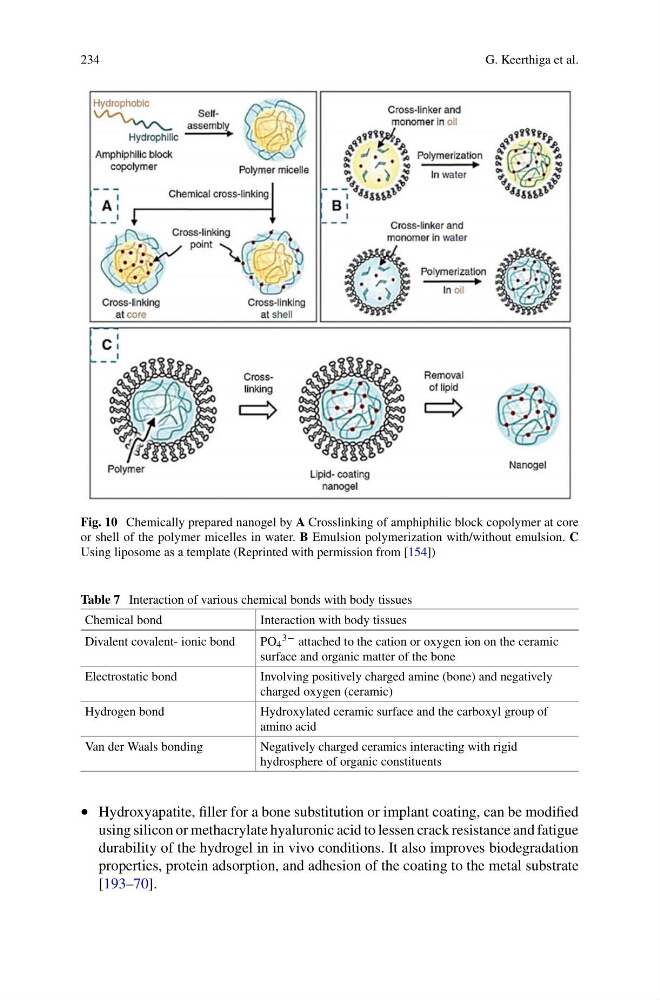
Fig. 10 Chemically prepared nanogel by A Crosslinking of amphiphilic block copolymer at core
or shell of the polymer micelles in water. B Emulsion polymerization with/without emulsion. C
Using liposome as a template (Reprinted with permission from [154])
Table 7 Interaction of various chemical bonds with body tissues
Chemical bond
Interaction with body tissues
Divalent covalent- ionic bond
PO 4
3− attached to the cation or oxygen ion on the ceramic
surface and organic matter of the bone
Electrostatic bond
Involving positively charged amine (bone) and negatively
charged oxygen (ceramic)
Hydrogen bond
Hydroxylated ceramic surface and the carboxyl group of
amino acid
Van der Waals bonding
Negatively charged ceramics interacting with rigid
hydrosphere of organic constituents
• Hydroxyapatite, filler for a bone substitution or implant coating, can be modified
using silicon or methacrylate hyaluronic acid to lessen crack resistance and fatigue
durability of the hydrogel in in vivo conditions. It also improves biodegradation
properties, protein adsorption, and adhesion of the coating to the metal substrate
[193–70].
G. Keerthiga et al.
Fig. 10 Chemically prepared nanogel by A Crosslinking of amphiphilic block copolymer at core
or shell of the polymer micelles in water. B Emulsion polymerization with/without emulsion. C
Using liposome as a template (Reprinted with permission from [154])
Table 7 Interaction of various chemical bonds with body tissues
Chemical bond
Interaction with body tissues
Divalent covalent- ionic bond
PO 4
3− attached to the cation or oxygen ion on the ceramic
surface and organic matter of the bone
Electrostatic bond
Involving positively charged amine (bone) and negatively
charged oxygen (ceramic)
Hydrogen bond
Hydroxylated ceramic surface and the carboxyl group of
amino acid
Van der Waals bonding
Negatively charged ceramics interacting with rigid
hydrosphere of organic constituents
• Hydroxyapatite, filler for a bone substitution or implant coating, can be modified
using silicon or methacrylate hyaluronic acid to lessen crack resistance and fatigue
durability of the hydrogel in in vivo conditions. It also improves biodegradation
properties, protein adsorption, and adhesion of the coating to the metal substrate
[193–70].