

232
G. Keerthiga et al.
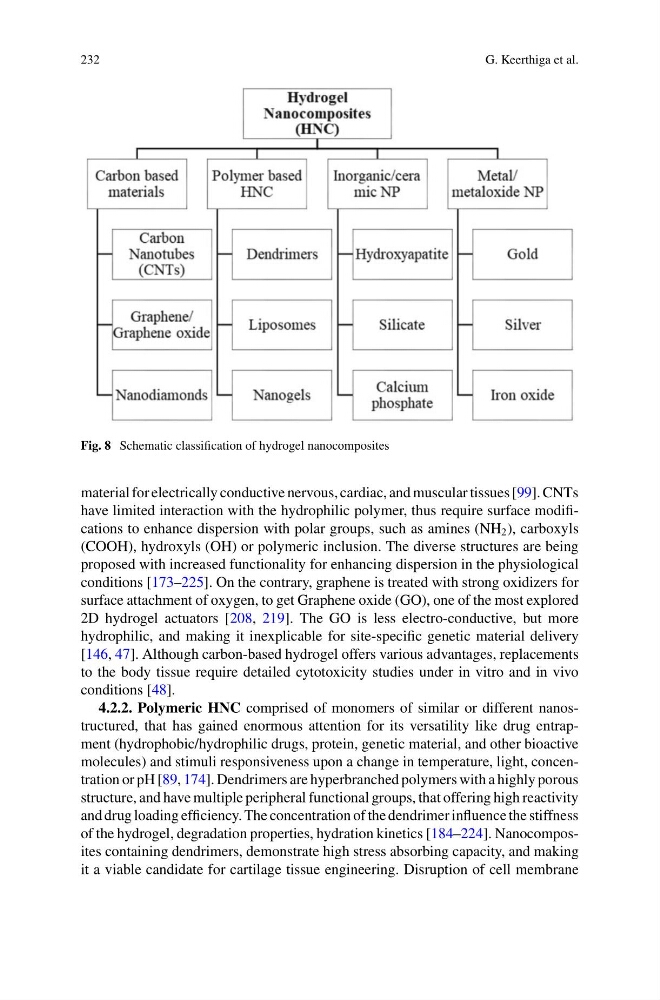
Fig. 8 Schematic classification of hydrogel nanocomposites
material for electrically conductive nervous, cardiac, and muscular tissues [99]. CNTs
have limited interaction with the hydrophilic polymer, thus require surface modifications to enhance dispersion with polar groups, such as amines (NH 2 ), carboxyls
(COOH), hydroxyls (OH) or polymeric inclusion. The diverse structures are being
proposed with increased functionality for enhancing dispersion in the physiological
conditions [173–225]. On the contrary, graphene is treated with strong oxidizers for
surface attachment of oxygen, to get Graphene oxide (GO), one of the most explored
2D hydrogel actuators [208, 219]. The GO is less electro-conductive, but more
hydrophilic, and making it inexplicable for site-specific genetic material delivery
[146, 47]. Although carbon-based hydrogel offers various advantages, replacements
to the body tissue require detailed cytotoxicity studies under in vitro and in vivo
conditions [48].
4.2.2. Polymeric HNC comprised of monomers of similar or different nanostructured, that has gained enormous attention for its versatility like drug entrapment (hydrophobic/hydrophilic drugs, protein, genetic material, and other bioactive
molecules) and stimuli responsiveness upon a change in temperature, light, concentration or pH [89, 174]. Dendrimers are hyperbranched polymers with a highly porous
structure, and have multiple peripheral functional groups, that offering high reactivity
and drug loading efficiency. The concentration of the dendrimer influence the stiffness
of the hydrogel, degradation properties, hydration kinetics [184–224]. Nanocomposites containing dendrimers, demonstrate high stress absorbing capacity, and making
it a viable candidate for cartilage tissue engineering. Disruption of cell membrane
G. Keerthiga et al.
Fig. 8 Schematic classification of hydrogel nanocomposites
material for electrically conductive nervous, cardiac, and muscular tissues [99]. CNTs
have limited interaction with the hydrophilic polymer, thus require surface modifications to enhance dispersion with polar groups, such as amines (NH 2 ), carboxyls
(COOH), hydroxyls (OH) or polymeric inclusion. The diverse structures are being
proposed with increased functionality for enhancing dispersion in the physiological
conditions [173–225]. On the contrary, graphene is treated with strong oxidizers for
surface attachment of oxygen, to get Graphene oxide (GO), one of the most explored
2D hydrogel actuators [208, 219]. The GO is less electro-conductive, but more
hydrophilic, and making it inexplicable for site-specific genetic material delivery
[146, 47]. Although carbon-based hydrogel offers various advantages, replacements
to the body tissue require detailed cytotoxicity studies under in vitro and in vivo
conditions [48].
4.2.2. Polymeric HNC comprised of monomers of similar or different nanostructured, that has gained enormous attention for its versatility like drug entrapment (hydrophobic/hydrophilic drugs, protein, genetic material, and other bioactive
molecules) and stimuli responsiveness upon a change in temperature, light, concentration or pH [89, 174]. Dendrimers are hyperbranched polymers with a highly porous
structure, and have multiple peripheral functional groups, that offering high reactivity
and drug loading efficiency. The concentration of the dendrimer influence the stiffness
of the hydrogel, degradation properties, hydration kinetics [184–224]. Nanocomposites containing dendrimers, demonstrate high stress absorbing capacity, and making
it a viable candidate for cartilage tissue engineering. Disruption of cell membrane