

Nanomaterials: An Introduction
7
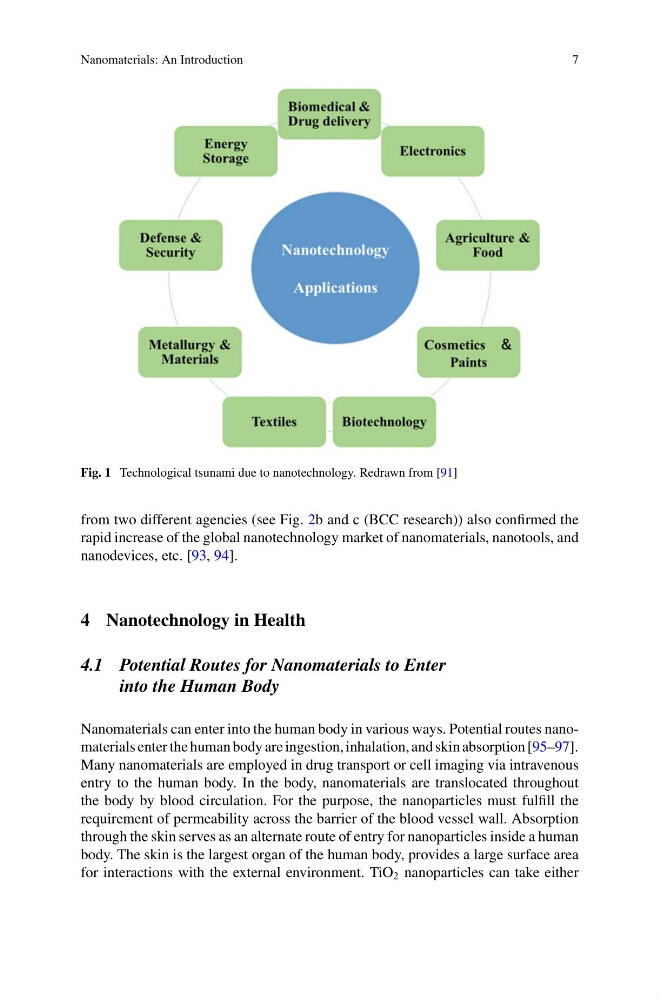
Fig. 1 Technological tsunami due to nanotechnology. Redrawn from [91]
from two different agencies (see Fig. 2b and c (BCC research)) also confirmed the
rapid increase of the global nanotechnology market of nanomaterials, nanotools, and
nanodevices, etc. [93, 94].
4 Nanotechnology in Health
4.1 Potential Routes for Nanomaterials to Enter
into the Human Body
Nanomaterials can enter into the human body in various ways. Potential routes nanomaterials enter the human body are ingestion, inhalation, and skin absorption [95–97].
Many nanomaterials are employed in drug transport or cell imaging via intravenous
entry to the human body. In the body, nanomaterials are translocated throughout
the body by blood circulation. For the purpose, the nanoparticles must fulfill the
requirement of permeability across the barrier of the blood vessel wall. Absorption
through the skin serves as an alternate route of entry for nanoparticles inside a human
body. The skin is the largest organ of the human body, provides a large surface area
for interactions with the external environment. TiO 2 nanoparticles can take either
7
Fig. 1 Technological tsunami due to nanotechnology. Redrawn from [91]
from two different agencies (see Fig. 2b and c (BCC research)) also confirmed the
rapid increase of the global nanotechnology market of nanomaterials, nanotools, and
nanodevices, etc. [93, 94].
4 Nanotechnology in Health
4.1 Potential Routes for Nanomaterials to Enter
into the Human Body
Nanomaterials can enter into the human body in various ways. Potential routes nanomaterials enter the human body are ingestion, inhalation, and skin absorption [95–97].
Many nanomaterials are employed in drug transport or cell imaging via intravenous
entry to the human body. In the body, nanomaterials are translocated throughout
the body by blood circulation. For the purpose, the nanoparticles must fulfill the
requirement of permeability across the barrier of the blood vessel wall. Absorption
through the skin serves as an alternate route of entry for nanoparticles inside a human
body. The skin is the largest organ of the human body, provides a large surface area
for interactions with the external environment. TiO 2 nanoparticles can take either