

104
ity, certified seed in Kenya (International Potato Center 2017c). In Meru, the preliminary data also showed that farmers are benefitting from the ISM. Their yields
doubled after just one season using the quality seed, averaging 19.2 t/ha compared
to 9.4 t/ha using traditional seed (unpublished data).
9.3.1.4 Using Apical Cuttings to Boost Potato Seed Systems
An apical cutting is similar to a nursery-grown seedling, except that it is produced
through vegetative means. Rather than allowing TC plantlets to mature and produce
minitubers in the screen-house, apical cuttings are produced from the plantlets.
Once rooted, the cuttings are planted in the field to produce field seed tubers, followed by one to three successive generations of field multiplication.
In current production systems, apical cuttings can be used in place of minitubers
(Bryan 1981). While the latter are more versatile––minitubers can be stored until
planting and are easy to transport––apical cuttings are more productive and reduce
the time needed to complete the production cycle by one season.
Using apical cuttings in seed systems is a relatively new concept in Kenya, gaining acceptance among stakeholders largely due to productivity gains over seed systems that use minitubers. Within 1 year of the initial trial to test the performance of
apical cuttings in the field, two private sector enterprises have invested in producing
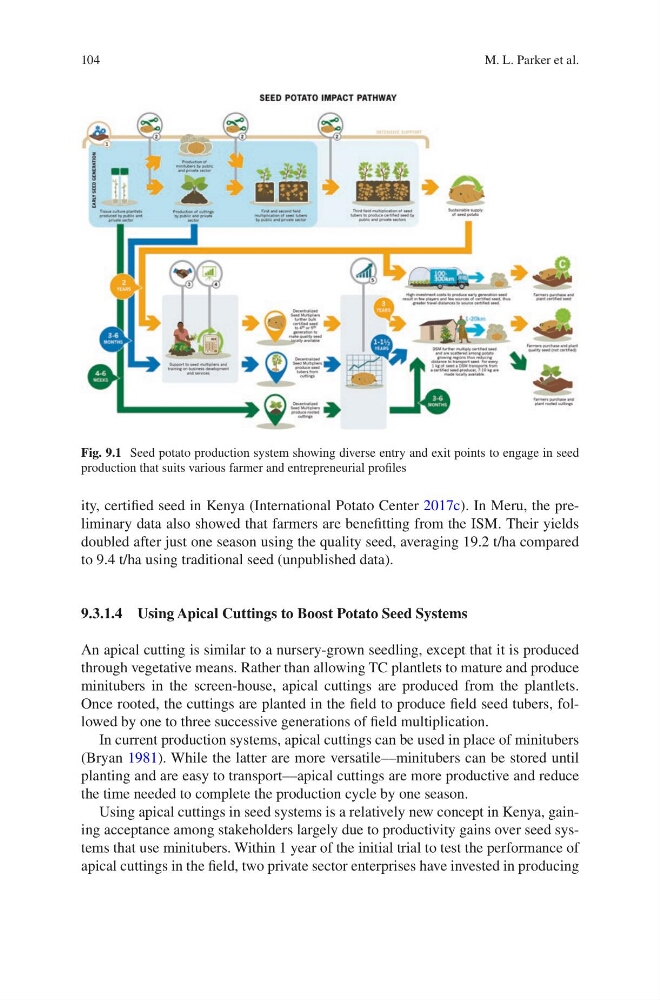
Fig. 9.1 Seed potato production system showing diverse entry and exit points to engage in seed
production that suits various farmer and entrepreneurial profiles
M. L. Parker et al.
ity, certified seed in Kenya (International Potato Center 2017c). In Meru, the preliminary data also showed that farmers are benefitting from the ISM. Their yields
doubled after just one season using the quality seed, averaging 19.2 t/ha compared
to 9.4 t/ha using traditional seed (unpublished data).
9.3.1.4 Using Apical Cuttings to Boost Potato Seed Systems
An apical cutting is similar to a nursery-grown seedling, except that it is produced
through vegetative means. Rather than allowing TC plantlets to mature and produce
minitubers in the screen-house, apical cuttings are produced from the plantlets.
Once rooted, the cuttings are planted in the field to produce field seed tubers, followed by one to three successive generations of field multiplication.
In current production systems, apical cuttings can be used in place of minitubers
(Bryan 1981). While the latter are more versatile––minitubers can be stored until
planting and are easy to transport––apical cuttings are more productive and reduce
the time needed to complete the production cycle by one season.
Using apical cuttings in seed systems is a relatively new concept in Kenya, gaining acceptance among stakeholders largely due to productivity gains over seed systems that use minitubers. Within 1 year of the initial trial to test the performance of
apical cuttings in the field, two private sector enterprises have invested in producing
Fig. 9.1 Seed potato production system showing diverse entry and exit points to engage in seed
production that suits various farmer and entrepreneurial profiles
M. L. Parker et al.