

Nuclear Magnetic Resonance Spectroscopy: Theory and Applications
475
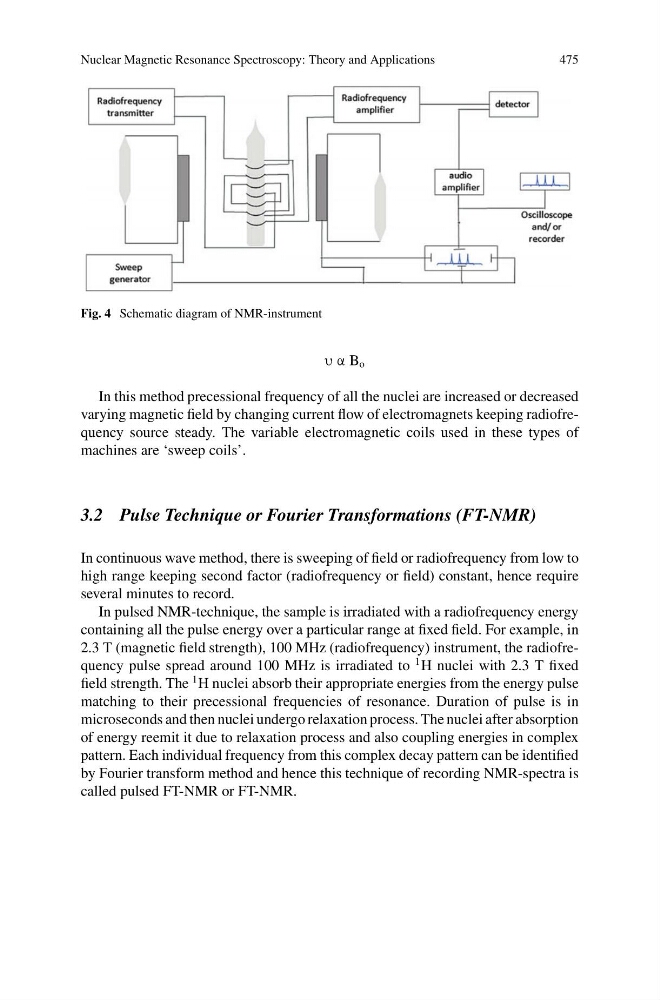
Fig. 4 Schematic diagram of NMR-instrument
υ α B o
In this method precessional frequency of all the nuclei are increased or decreased
varying magnetic field by changing current flow of electromagnets keeping radiofrequency source steady. The variable electromagnetic coils used in these types of
machines are ‘sweep coils’.
3.2 Pulse Technique or Fourier Transformations (FT-NMR)
In continuous wave method, there is sweeping of field or radiofrequency from low to
high range keeping second factor (radiofrequency or field) constant, hence require
several minutes to record.
In pulsed NMR-technique, the sample is irradiated with a radiofrequency energy
containing all the pulse energy over a particular range at fixed field. For example, in
2.3 T (magnetic field strength), 100 MHz (radiofrequency) instrument, the radiofrequency pulse spread around 100 MHz is irradiated to
1 H nuclei with 2.3 T fixed
field strength. The
1 H nuclei absorb their appropriate energies from the energy pulse
matching to their precessional frequencies of resonance. Duration of pulse is in
microseconds and then nuclei undergo relaxation process. The nuclei after absorption
of energy reemit it due to relaxation process and also coupling energies in complex
pattern. Each individual frequency from this complex decay pattern can be identified
by Fourier transform method and hence this technique of recording NMR-spectra is
called pulsed FT-NMR or FT-NMR.
475
Fig. 4 Schematic diagram of NMR-instrument
υ α B o
In this method precessional frequency of all the nuclei are increased or decreased
varying magnetic field by changing current flow of electromagnets keeping radiofrequency source steady. The variable electromagnetic coils used in these types of
machines are ‘sweep coils’.
3.2 Pulse Technique or Fourier Transformations (FT-NMR)
In continuous wave method, there is sweeping of field or radiofrequency from low to
high range keeping second factor (radiofrequency or field) constant, hence require
several minutes to record.
In pulsed NMR-technique, the sample is irradiated with a radiofrequency energy
containing all the pulse energy over a particular range at fixed field. For example, in
2.3 T (magnetic field strength), 100 MHz (radiofrequency) instrument, the radiofrequency pulse spread around 100 MHz is irradiated to
1 H nuclei with 2.3 T fixed
field strength. The
1 H nuclei absorb their appropriate energies from the energy pulse
matching to their precessional frequencies of resonance. Duration of pulse is in
microseconds and then nuclei undergo relaxation process. The nuclei after absorption
of energy reemit it due to relaxation process and also coupling energies in complex
pattern. Each individual frequency from this complex decay pattern can be identified
by Fourier transform method and hence this technique of recording NMR-spectra is
called pulsed FT-NMR or FT-NMR.