

found that solutions are cost effective in reducing CO 2 eq. levels and improving air
quality, the city will need to implement more of these intensive carbon reduction
technologies if it is to meet its 2030 targets.
An investment of €8 bn over the next decade is needed to implement a set of
technologies that can reduce CO 2 eq. emissions in Vienna by 9 Mt and add 85,000
full time equivalent jobs to the local economy. In this model, the city is currently
achieving its reductions predominantly through building and energy technologies
that are more expensive and do not improve air quality as effectively. Vienna has
some untapped cost-effective technology opportunities to meet its CO 2 mitigation
targets. In the energy sector, the city should continue its implementation of combined heat and power (Fig. 6).
In the transport sector, the city should invest in new cutting-edge technologies
such as intermodal traffic management applications, electric car and electric taxi
solutions. These are win-win cost effective solutions that tackle CO 2 emissions,
improve air quality and increase local jobs.
Minneapolis and its development organization Xcel has set a “80 by 50” target,
meaning 80% reduction of GhG emissions by 2050 [8]. The outcome of CyPT
study shows that its utilities need to use 65% clean energy sources as a base of their
energy mix (Fig. 7).
But even with this step, Xcel will have to continue greening its electricity by
implementing 40 buildings and transportation technologies and adopted at their
highest implementation rates by 2050 to ensure that targets are met. Our results
show that, if the electricity mix gets significantly cleaner, the top performing
technologies for reducing carbon emissions include (1) electrifying both passenger
and freight road transport and (2) improving energy efficiency in buildings, particularly in commercial and government buildings. The technology mix and its
resulting improvements in air quality are depicted in Fig. 8. Additional benefits
could be realized from public transit, if more people could be attracted to use it.
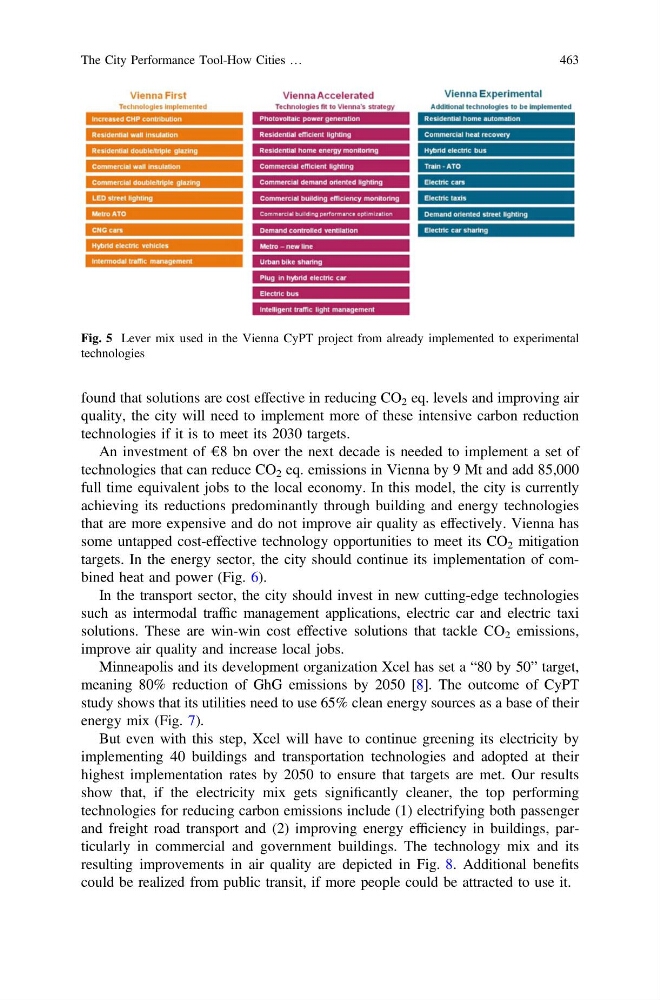
Fig. 5 Lever mix used in the Vienna CyPT project from already implemented to experimental
technologies
The City Performance Tool-How Cities …
463
quality, the city will need to implement more of these intensive carbon reduction
technologies if it is to meet its 2030 targets.
An investment of €8 bn over the next decade is needed to implement a set of
technologies that can reduce CO 2 eq. emissions in Vienna by 9 Mt and add 85,000
full time equivalent jobs to the local economy. In this model, the city is currently
achieving its reductions predominantly through building and energy technologies
that are more expensive and do not improve air quality as effectively. Vienna has
some untapped cost-effective technology opportunities to meet its CO 2 mitigation
targets. In the energy sector, the city should continue its implementation of combined heat and power (Fig. 6).
In the transport sector, the city should invest in new cutting-edge technologies
such as intermodal traffic management applications, electric car and electric taxi
solutions. These are win-win cost effective solutions that tackle CO 2 emissions,
improve air quality and increase local jobs.
Minneapolis and its development organization Xcel has set a “80 by 50” target,
meaning 80% reduction of GhG emissions by 2050 [8]. The outcome of CyPT
study shows that its utilities need to use 65% clean energy sources as a base of their
energy mix (Fig. 7).
But even with this step, Xcel will have to continue greening its electricity by
implementing 40 buildings and transportation technologies and adopted at their
highest implementation rates by 2050 to ensure that targets are met. Our results
show that, if the electricity mix gets significantly cleaner, the top performing
technologies for reducing carbon emissions include (1) electrifying both passenger
and freight road transport and (2) improving energy efficiency in buildings, particularly in commercial and government buildings. The technology mix and its
resulting improvements in air quality are depicted in Fig. 8. Additional benefits
could be realized from public transit, if more people could be attracted to use it.
Fig. 5 Lever mix used in the Vienna CyPT project from already implemented to experimental
technologies
The City Performance Tool-How Cities …
463