

process knowledge. It can determine the implementation rate needed for your city to
meet its future environmental targets. It can also measure the impacts of a city’s
strategic plans, and compare traditional methods with state-of-the-art technologies
for their benefits and value for money.
The methods and tools are a combination of conventional LCA, consequential
LCA, greenhouse gas accounting for cities and futurology. Even though the software and modelling concept such as the functional units are common LCA-based,
the model is aligned with the GPC-Protocol [3]. Forecasting elements are included
from HBEFA [4] for market and technology development.
In total 70 technology levers from energy system, buildings and transport are
included in the LCA parameter model. Thus are 20 electricity generation and 20
heat generation technologies, 10+ building types with its electricity, heat and
cooling demand, 10 freight modes; 35 passenger transport modes; 15 road and rail
infrastructure elements. To establish a baseline, the model requires data to determine the level of maturity of the infrastructure system and its individual
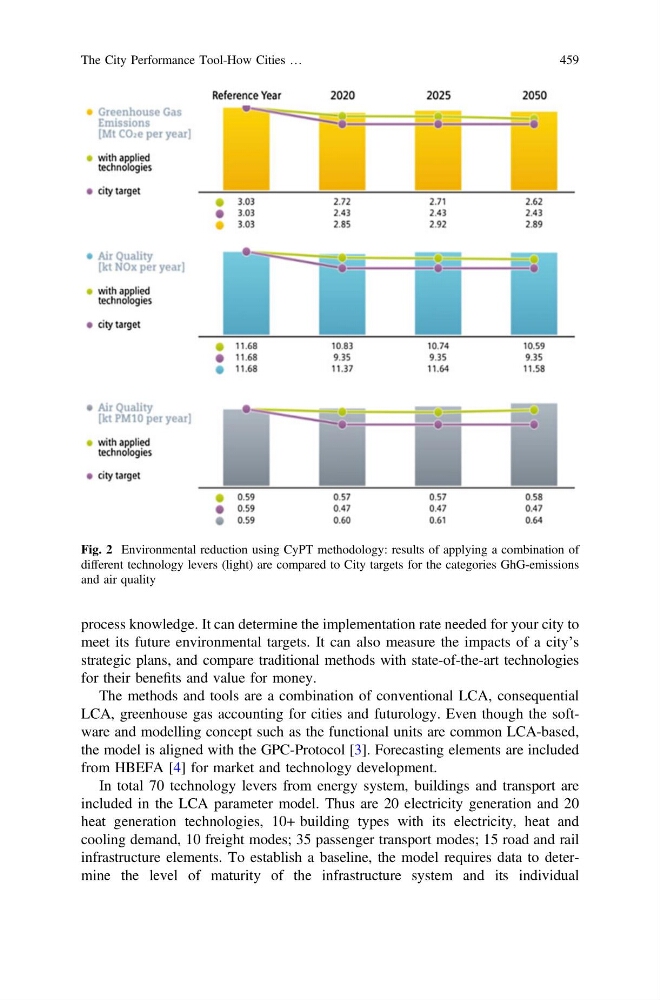
Fig. 2 Environmental reduction using CyPT methodology: results of applying a combination of
different technology levers (light) are compared to City targets for the categories GhG-emissions
and air quality
The City Performance Tool-How Cities …
459
meet its future environmental targets. It can also measure the impacts of a city’s
strategic plans, and compare traditional methods with state-of-the-art technologies
for their benefits and value for money.
The methods and tools are a combination of conventional LCA, consequential
LCA, greenhouse gas accounting for cities and futurology. Even though the software and modelling concept such as the functional units are common LCA-based,
the model is aligned with the GPC-Protocol [3]. Forecasting elements are included
from HBEFA [4] for market and technology development.
In total 70 technology levers from energy system, buildings and transport are
included in the LCA parameter model. Thus are 20 electricity generation and 20
heat generation technologies, 10+ building types with its electricity, heat and
cooling demand, 10 freight modes; 35 passenger transport modes; 15 road and rail
infrastructure elements. To establish a baseline, the model requires data to determine the level of maturity of the infrastructure system and its individual
Fig. 2 Environmental reduction using CyPT methodology: results of applying a combination of
different technology levers (light) are compared to City targets for the categories GhG-emissions
and air quality
The City Performance Tool-How Cities …
459