

11 MiraMap: A Collective Awareness Platform to Support Open …
133
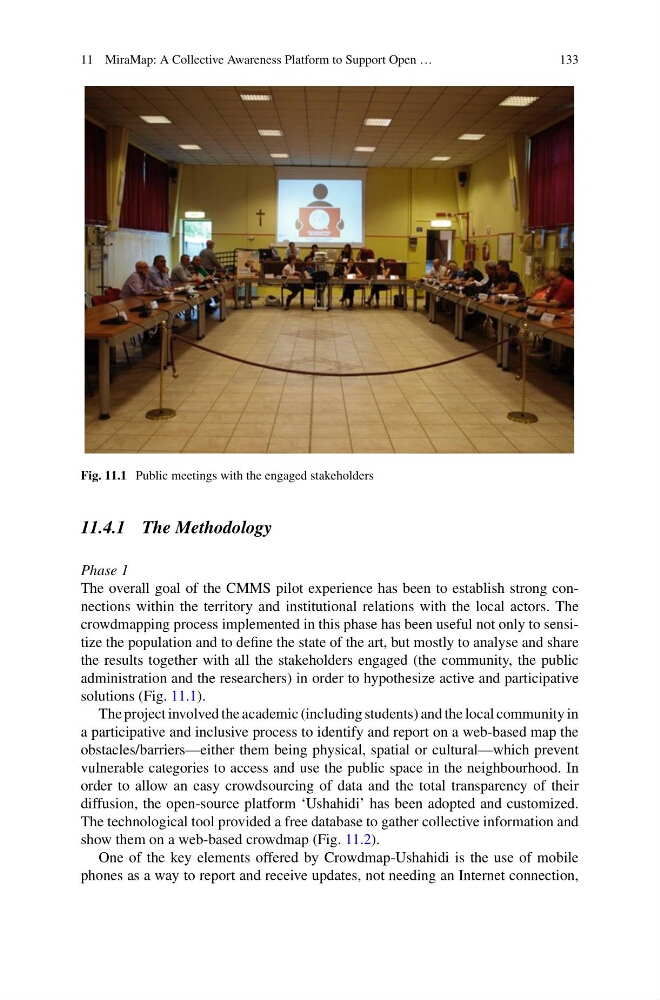
Fig. 11.1 Public meetings with the engaged stakeholders
11.4.1 The Methodology
Phase 1
The overall goal of the CMMS pilot experience has been to establish strong connections within the territory and institutional relations with the local actors. The
crowdmapping process implemented in this phase has been useful not only to sensitize the population and to define the state of the art, but mostly to analyse and share
the results together with all the stakeholders engaged (the community, the public
administration and the researchers) in order to hypothesize active and participative
solutions (Fig. 11.1).
The project involved the academic (including students) and the local community in
a participative and inclusive process to identify and report on a web-based map the
obstacles/barriers—either them being physical, spatial or cultural—which prevent
vulnerable categories to access and use the public space in the neighbourhood. In
order to allow an easy crowdsourcing of data and the total transparency of their
diffusion, the open-source platform ‘Ushahidi’ has been adopted and customized.
The technological tool provided a free database to gather collective information and
show them on a web-based crowdmap (Fig. 11.2).
One of the key elements offered by Crowdmap-Ushahidi is the use of mobile
phones as a way to report and receive updates, not needing an Internet connection,
133
Fig. 11.1 Public meetings with the engaged stakeholders
11.4.1 The Methodology
Phase 1
The overall goal of the CMMS pilot experience has been to establish strong connections within the territory and institutional relations with the local actors. The
crowdmapping process implemented in this phase has been useful not only to sensitize the population and to define the state of the art, but mostly to analyse and share
the results together with all the stakeholders engaged (the community, the public
administration and the researchers) in order to hypothesize active and participative
solutions (Fig. 11.1).
The project involved the academic (including students) and the local community in
a participative and inclusive process to identify and report on a web-based map the
obstacles/barriers—either them being physical, spatial or cultural—which prevent
vulnerable categories to access and use the public space in the neighbourhood. In
order to allow an easy crowdsourcing of data and the total transparency of their
diffusion, the open-source platform ‘Ushahidi’ has been adopted and customized.
The technological tool provided a free database to gather collective information and
show them on a web-based crowdmap (Fig. 11.2).
One of the key elements offered by Crowdmap-Ushahidi is the use of mobile
phones as a way to report and receive updates, not needing an Internet connection,