

8
1 Introduction
σ
σ
1.1
1.2
1
2
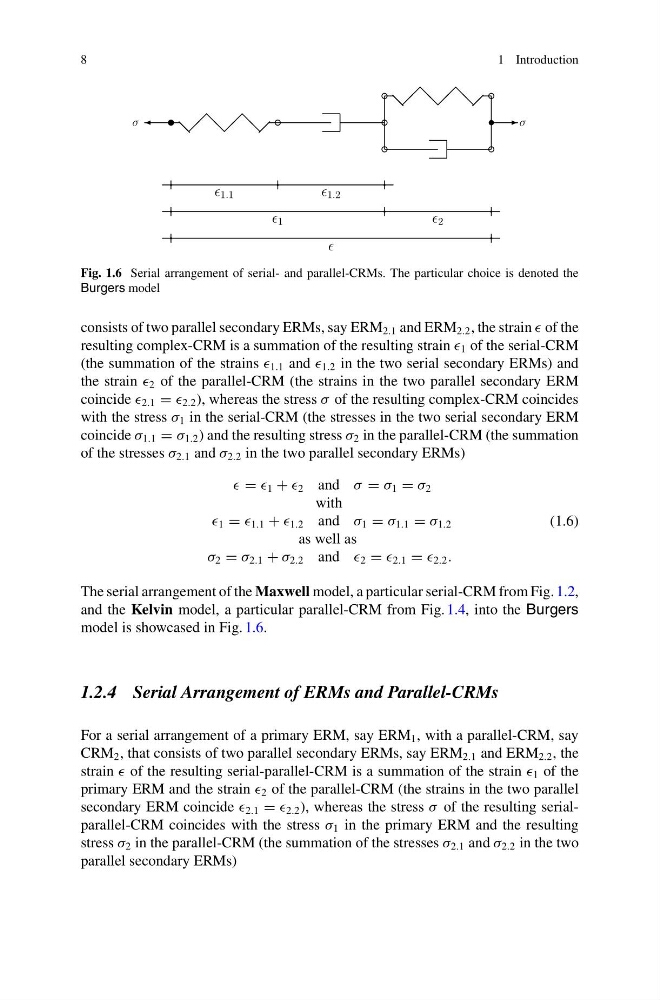
Fig. 1.6 Serial arrangement of serial- and parallel-CRMs. The particular choice is denoted the
Burgers model
consists of two parallel secondary ERMs, say ERM 2.1 and ERM 2.2 , the strain of the
resulting complex-CRM is a summation of the resulting strain 1 of the serial-CRM
(the summation of the strains 1.1 and 1.2 in the two serial secondary ERMs) and
the strain 2 of the parallel-CRM (the strains in the two parallel secondary ERM
coincide 2.1 = 2.2 ), whereas the stress σ of the resulting complex-CRM coincides
with the stress σ 1 in the serial-CRM (the stresses in the two serial secondary ERM
coincide σ 1.1 = σ 1.2 ) and the resulting stress σ 2 in the parallel-CRM (the summation
of the stresses σ 2.1 and σ 2.2 in the two parallel secondary ERMs)
= 1 + 2 and σ = σ 1 = σ 2
with
1 = 1.1 + 1.2 and σ 1 = σ 1.1 = σ 1.2
as well as
σ 2 = σ 2.1 + σ 2.2 and 2 = 2.1 = 2.2 .
(1.6)
The serial arrangement of the Maxwell model, a particular serial-CRM from Fig. 1.2,
and the Kelvin model, a particular parallel-CRM from Fig. 1.4, into the Burgers
model is showcased in Fig. 1.6.
1.2.4 Serial Arrangement of ERMs and Parallel-CRMs
For a serial arrangement of a primary ERM, say ERM 1 , with a parallel-CRM, say
CRM 2 , that consists of two parallel secondary ERMs, say ERM 2.1 and ERM 2.2 , the
strain of the resulting serial-parallel-CRM is a summation of the strain 1 of the
primary ERM and the strain 2 of the parallel-CRM (the strains in the two parallel
secondary ERM coincide 2.1 = 2.2 ), whereas the stress σ of the resulting serialparallel-CRM coincides with the stress σ 1 in the primary ERM and the resulting
stress σ 2 in the parallel-CRM (the summation of the stresses σ 2.1 and σ 2.2 in the two
parallel secondary ERMs)
1 Introduction
σ
σ
1.1
1.2
1
2
Fig. 1.6 Serial arrangement of serial- and parallel-CRMs. The particular choice is denoted the
Burgers model
consists of two parallel secondary ERMs, say ERM 2.1 and ERM 2.2 , the strain of the
resulting complex-CRM is a summation of the resulting strain 1 of the serial-CRM
(the summation of the strains 1.1 and 1.2 in the two serial secondary ERMs) and
the strain 2 of the parallel-CRM (the strains in the two parallel secondary ERM
coincide 2.1 = 2.2 ), whereas the stress σ of the resulting complex-CRM coincides
with the stress σ 1 in the serial-CRM (the stresses in the two serial secondary ERM
coincide σ 1.1 = σ 1.2 ) and the resulting stress σ 2 in the parallel-CRM (the summation
of the stresses σ 2.1 and σ 2.2 in the two parallel secondary ERMs)
= 1 + 2 and σ = σ 1 = σ 2
with
1 = 1.1 + 1.2 and σ 1 = σ 1.1 = σ 1.2
as well as
σ 2 = σ 2.1 + σ 2.2 and 2 = 2.1 = 2.2 .
(1.6)
The serial arrangement of the Maxwell model, a particular serial-CRM from Fig. 1.2,
and the Kelvin model, a particular parallel-CRM from Fig. 1.4, into the Burgers
model is showcased in Fig. 1.6.
1.2.4 Serial Arrangement of ERMs and Parallel-CRMs
For a serial arrangement of a primary ERM, say ERM 1 , with a parallel-CRM, say
CRM 2 , that consists of two parallel secondary ERMs, say ERM 2.1 and ERM 2.2 , the
strain of the resulting serial-parallel-CRM is a summation of the strain 1 of the
primary ERM and the strain 2 of the parallel-CRM (the strains in the two parallel
secondary ERM coincide 2.1 = 2.2 ), whereas the stress σ of the resulting serialparallel-CRM coincides with the stress σ 1 in the primary ERM and the resulting
stress σ 2 in the parallel-CRM (the summation of the stresses σ 2.1 and σ 2.2 in the two
parallel secondary ERMs)