

42
corn producers in the world. Especially, the USA and China produce more than 100
million tons individually and account for about 60% of the whole production in the
world between them. Of course, each producer is also a consumer. Japan produces
little corn and hence is regarded as a sole consumer.
Corn producers and corn consumers in these countries are assumed to be economic stakeholders. Corn consumers refer to people who consume corn directly as
food or indirectly as feed. They are all assumed to be price takers and behave based
on an exogenously determined price.
The US government and the US consumers of bioethanol are also included as
stakeholders. The US government deducts the federal fueltax for ethanol. Thus,
even if bioethanol production improves social welfare, too much support increases
the opportunity cost and incurs financial difficulties on the state.
There are other benefits of bioethanol such as CO 2 reduction, saving fossil fuels,
improvement in energy self-sufficiency ratio, and prevention of air pollution.
Although they are regarded as significant sources of positive externalities, there is
no consensus on assessment method. Therefore, they are omitted in the subsequent
analysis. The value of CO 2 reduction, however, will be discussed later using an
approach different from the direct evaluation method.
0
100
200
300
400
500
600
1991
1993
1995
1997
1999
2001
2003
2005
2007
2009
2011
2013
2015
2017
2019
5.1cent/gallon
E20(Low)
E20(High)
Actual
cent/buchel
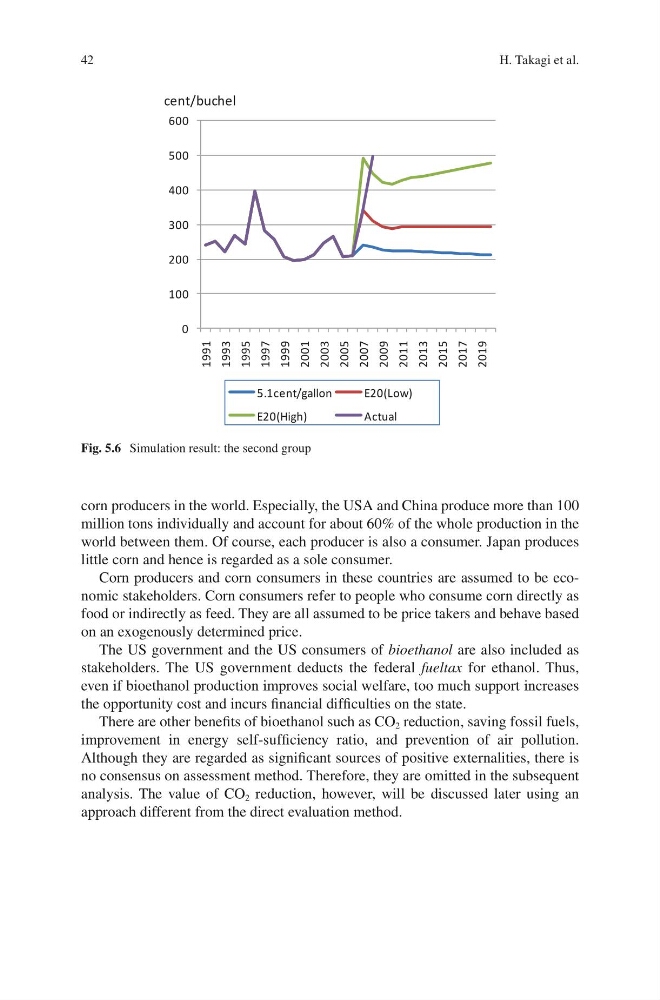
Fig. 5.6 Simulation result: the second group
H. Takagi et al.
corn producers in the world. Especially, the USA and China produce more than 100
million tons individually and account for about 60% of the whole production in the
world between them. Of course, each producer is also a consumer. Japan produces
little corn and hence is regarded as a sole consumer.
Corn producers and corn consumers in these countries are assumed to be economic stakeholders. Corn consumers refer to people who consume corn directly as
food or indirectly as feed. They are all assumed to be price takers and behave based
on an exogenously determined price.
The US government and the US consumers of bioethanol are also included as
stakeholders. The US government deducts the federal fueltax for ethanol. Thus,
even if bioethanol production improves social welfare, too much support increases
the opportunity cost and incurs financial difficulties on the state.
There are other benefits of bioethanol such as CO 2 reduction, saving fossil fuels,
improvement in energy self-sufficiency ratio, and prevention of air pollution.
Although they are regarded as significant sources of positive externalities, there is
no consensus on assessment method. Therefore, they are omitted in the subsequent
analysis. The value of CO 2 reduction, however, will be discussed later using an
approach different from the direct evaluation method.
0
100
200
300
400
500
600
1991
1993
1995
1997
1999
2001
2003
2005
2007
2009
2011
2013
2015
2017
2019
5.1cent/gallon
E20(Low)
E20(High)
Actual
cent/buchel
Fig. 5.6 Simulation result: the second group
H. Takagi et al.