

252
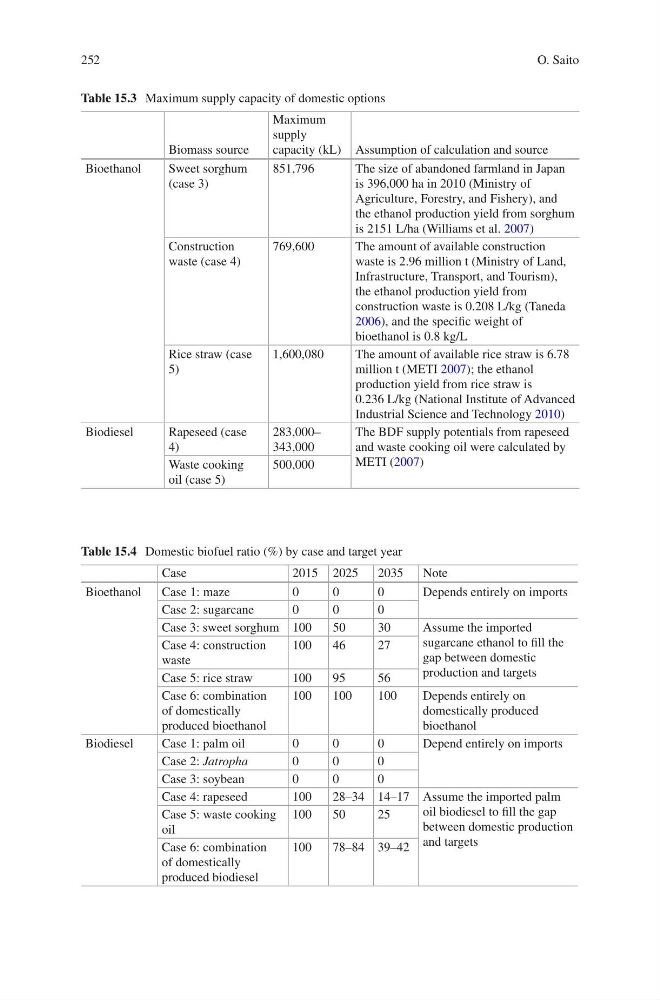
Table 15.3 Maximum supply capacity of domestic options
Biomass source
Maximum
supply
capacity (kL) Assumption of calculation and source
Bioethanol
Sweet sorghum
(case 3)
851,796
The size of abandoned farmland in Japan
is 396,000 ha in 2010 (Ministry of
Agriculture, Forestry, and Fishery), and
the ethanol production yield from sorghum
is 2151 L/ha (Williams et al. 2007)
Construction
waste (case 4)
769,600
The amount of available construction
waste is 2.96 million t (Ministry of Land,
Infrastructure, Transport, and Tourism),
the ethanol production yield from
construction waste is 0.208 L/kg (Taneda
2006), and the specific weight of
bioethanol is 0.8 kg/L
Rice straw (case
5)
1,600,080
The amount of available rice straw is 6.78
million t (METI 2007); the ethanol
production yield from rice straw is
0.236 L/kg (National Institute of Advanced
Industrial Science and Technology 2010)
Biodiesel
Rapeseed (case
4)
283,000–
343,000
The BDF supply potentials from rapeseed
and waste cooking oil were calculated by
METI (2007)
Waste cooking
oil (case 5)
500,000
Table 15.4 Domestic biofuel ratio (%) by case and target year
Case
2015 2025
2035
Note
Bioethanol
Case 1: maze
0
0
0
Depends entirely on imports
Case 2: sugarcane
0
0
0
Case 3: sweet sorghum 100
50
30
Assume the imported
sugarcane ethanol to fill the
gap between domestic
production and targets
Case 4: construction
waste
100
46
27
Case 5: rice straw
100
95
56
Case 6: combination
of domestically
produced bioethanol
100
100
100
Depends entirely on
domestically produced
bioethanol
Biodiesel
Case 1: palm oil
0
0
0
Depend entirely on imports
Case 2: Jatropha
0
0
0
Case 3: soybean
0
0
0
Case 4: rapeseed
100
28–34 14–17 Assume the imported palm
oil biodiesel to fill the gap
between domestic production
and targets
Case 5: waste cooking
oil
100
50
25
Case 6: combination
of domestically
produced biodiesel
100
78–84 39–42
O. Saito
Table 15.3 Maximum supply capacity of domestic options
Biomass source
Maximum
supply
capacity (kL) Assumption of calculation and source
Bioethanol
Sweet sorghum
(case 3)
851,796
The size of abandoned farmland in Japan
is 396,000 ha in 2010 (Ministry of
Agriculture, Forestry, and Fishery), and
the ethanol production yield from sorghum
is 2151 L/ha (Williams et al. 2007)
Construction
waste (case 4)
769,600
The amount of available construction
waste is 2.96 million t (Ministry of Land,
Infrastructure, Transport, and Tourism),
the ethanol production yield from
construction waste is 0.208 L/kg (Taneda
2006), and the specific weight of
bioethanol is 0.8 kg/L
Rice straw (case
5)
1,600,080
The amount of available rice straw is 6.78
million t (METI 2007); the ethanol
production yield from rice straw is
0.236 L/kg (National Institute of Advanced
Industrial Science and Technology 2010)
Biodiesel
Rapeseed (case
4)
283,000–
343,000
The BDF supply potentials from rapeseed
and waste cooking oil were calculated by
METI (2007)
Waste cooking
oil (case 5)
500,000
Table 15.4 Domestic biofuel ratio (%) by case and target year
Case
2015 2025
2035
Note
Bioethanol
Case 1: maze
0
0
0
Depends entirely on imports
Case 2: sugarcane
0
0
0
Case 3: sweet sorghum 100
50
30
Assume the imported
sugarcane ethanol to fill the
gap between domestic
production and targets
Case 4: construction
waste
100
46
27
Case 5: rice straw
100
95
56
Case 6: combination
of domestically
produced bioethanol
100
100
100
Depends entirely on
domestically produced
bioethanol
Biodiesel
Case 1: palm oil
0
0
0
Depend entirely on imports
Case 2: Jatropha
0
0
0
Case 3: soybean
0
0
0
Case 4: rapeseed
100
28–34 14–17 Assume the imported palm
oil biodiesel to fill the gap
between domestic production
and targets
Case 5: waste cooking
oil
100
50
25
Case 6: combination
of domestically
produced biodiesel
100
78–84 39–42
O. Saito