

288
population density of 18,370 person/km
2 . About 10 % of the inhabitants are younger
than 15 years and about 15 % are older than 65 years, that means 25 % of the inhabitants are in early danger by thermal stress. The area is characterised by a high building density with predominant residental buildings. A high number of historical
buildings, that have to be preserved, limit the redeployment of the district. Green
areas and places for the recreation of the inhabitants are sparse available. The
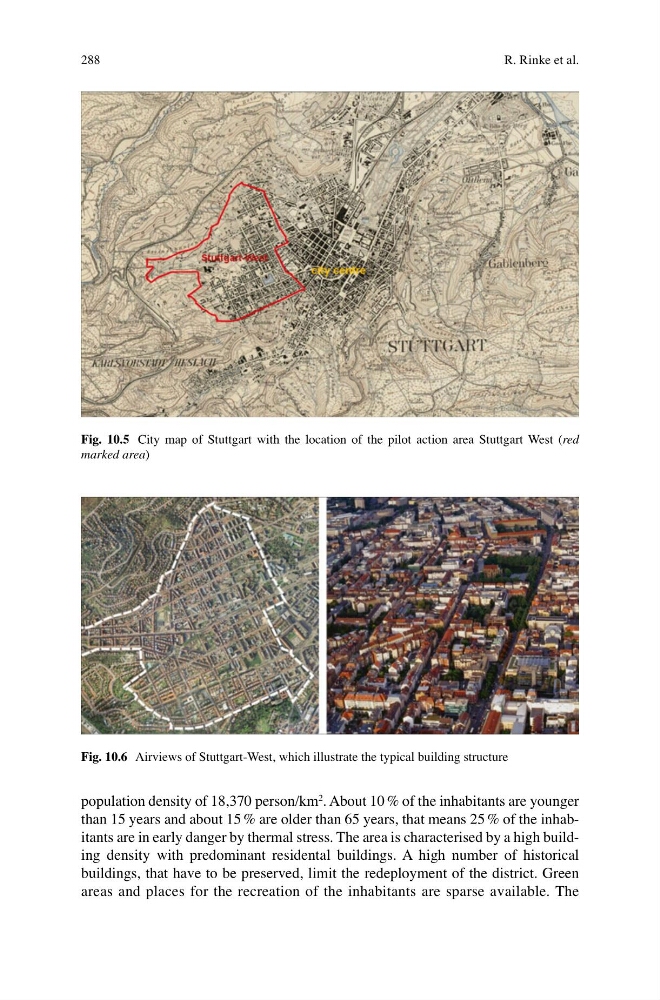
Fig. 10.5 City map of Stuttgart with the location of the pilot action area Stuttgart West ( red
marked area )
Fig. 10.6 Airviews of Stuttgart-West, which illustrate the typical building structure
R. Rinke et al.
population density of 18,370 person/km
2 . About 10 % of the inhabitants are younger
than 15 years and about 15 % are older than 65 years, that means 25 % of the inhabitants are in early danger by thermal stress. The area is characterised by a high building density with predominant residental buildings. A high number of historical
buildings, that have to be preserved, limit the redeployment of the district. Green
areas and places for the recreation of the inhabitants are sparse available. The
Fig. 10.5 City map of Stuttgart with the location of the pilot action area Stuttgart West ( red
marked area )
Fig. 10.6 Airviews of Stuttgart-West, which illustrate the typical building structure
R. Rinke et al.