

578
THE ORGANIC CHEMISTRY OF INTERMEDIARY METABOLISM
AH 2
A
NAD +
NADH
fpH 2
fp
CoQ
CoQH 2
Cyt a 3
2+
Cyt a 3
3+
Cyt b
2+
Cyt b
3+
Cyt c 1
3+
Cyt c 1
2+
Cyt c
2+
Cyt c
3+
Cyt a
2+
Cyt a
3+
½O 2
H 2 O
ATP
ADP + P
ADP + P
ADP + P
ATP
ATP
AH 2 = substrate
fp = flavoprotein
CoQ = coenzyme Q
Cyt = cytochrome
2H
+
2H
+
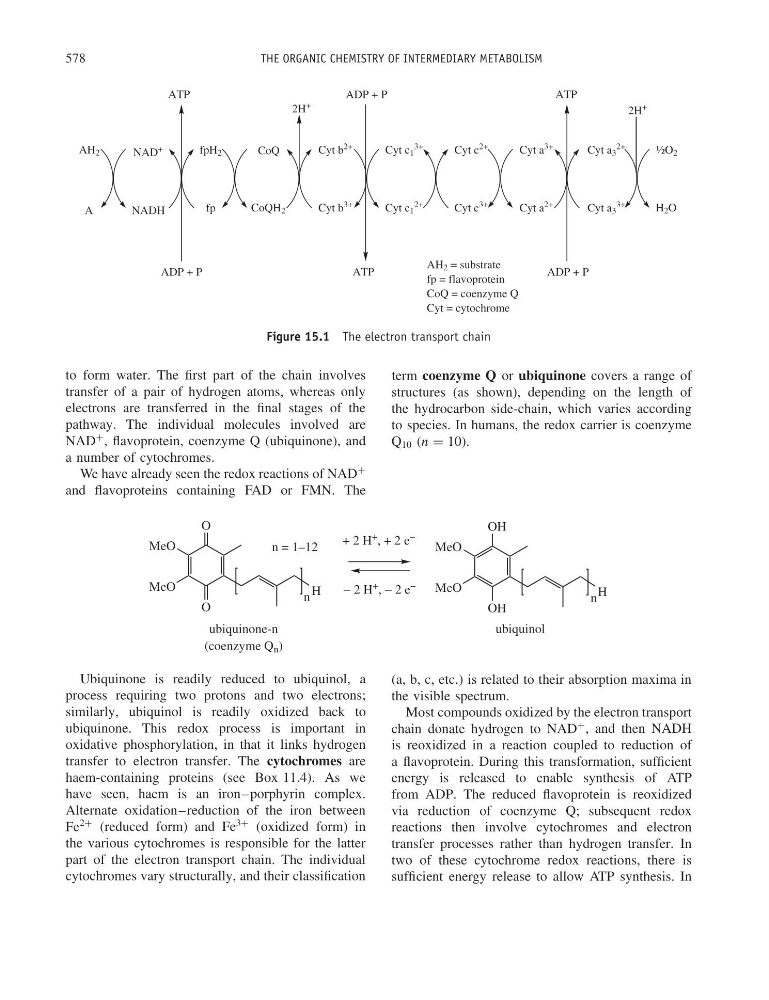
Figure 15.1 The electron transport chain
to form water. The first part of the chain involves
transfer of a pair of hydrogen atoms, whereas only
electrons are transferred in the final stages of the
pathway. The individual molecules involved are
NAD
+ , flavoprotein, coenzyme Q (ubiquinone), and
a number of cytochromes.
We have already seen the redox reactions of NAD
+
and flavoproteins containing FAD or FMN. The
term coenzyme Q or ubiquinone covers a range of
structures (as shown), depending on the length of
the hydrocarbon side-chain, which varies according
to species. In humans, the redox carrier is coenzyme
Q 10 (n = 10).
O
O
MeO
MeO
H
n
ubiquinone-n
(coenzyme Q n )
n = 1–12
OH
OH
MeO
MeO
H
n
ubiquinol
+ 2 H + , + 2 e −
− 2 H + , − 2 e −
Ubiquinone is readily reduced to ubiquinol, a
process requiring two protons and two electrons;
similarly, ubiquinol is readily oxidized back to
ubiquinone. This redox process is important in
oxidative phosphorylation, in that it links hydrogen
transfer to electron transfer. The cytochromes are
haem-containing proteins (see Box 11.4). As we
have seen, haem is an iron–porphyrin complex.
Alternate oxidation–reduction of the iron between
Fe
2+ (reduced form) and Fe
3+ (oxidized form) in
the various cytochromes is responsible for the latter
part of the electron transport chain. The individual
cytochromes vary structurally, and their classification
(a, b, c, etc.) is related to their absorption maxima in
the visible spectrum.
Most compounds oxidized by the electron transport
chain donate hydrogen to NAD
+ , and then NADH
is reoxidized in a reaction coupled to reduction of
a flavoprotein. During this transformation, sufficient
energy is released to enable synthesis of ATP
from ADP. The reduced flavoprotein is reoxidized
via reduction of coenzyme Q; subsequent redox
reactions then involve cytochromes and electron
transfer processes rather than hydrogen transfer. In
two of these cytochrome redox reactions, there is
sufficient energy release to allow ATP synthesis. In
THE ORGANIC CHEMISTRY OF INTERMEDIARY METABOLISM
AH 2
A
NAD +
NADH
fpH 2
fp
CoQ
CoQH 2
Cyt a 3
2+
Cyt a 3
3+
Cyt b
2+
Cyt b
3+
Cyt c 1
3+
Cyt c 1
2+
Cyt c
2+
Cyt c
3+
Cyt a
2+
Cyt a
3+
½O 2
H 2 O
ATP
ADP + P
ADP + P
ADP + P
ATP
ATP
AH 2 = substrate
fp = flavoprotein
CoQ = coenzyme Q
Cyt = cytochrome
2H
+
2H
+
Figure 15.1 The electron transport chain
to form water. The first part of the chain involves
transfer of a pair of hydrogen atoms, whereas only
electrons are transferred in the final stages of the
pathway. The individual molecules involved are
NAD
+ , flavoprotein, coenzyme Q (ubiquinone), and
a number of cytochromes.
We have already seen the redox reactions of NAD
+
and flavoproteins containing FAD or FMN. The
term coenzyme Q or ubiquinone covers a range of
structures (as shown), depending on the length of
the hydrocarbon side-chain, which varies according
to species. In humans, the redox carrier is coenzyme
Q 10 (n = 10).
O
O
MeO
MeO
H
n
ubiquinone-n
(coenzyme Q n )
n = 1–12
OH
OH
MeO
MeO
H
n
ubiquinol
+ 2 H + , + 2 e −
− 2 H + , − 2 e −
Ubiquinone is readily reduced to ubiquinol, a
process requiring two protons and two electrons;
similarly, ubiquinol is readily oxidized back to
ubiquinone. This redox process is important in
oxidative phosphorylation, in that it links hydrogen
transfer to electron transfer. The cytochromes are
haem-containing proteins (see Box 11.4). As we
have seen, haem is an iron–porphyrin complex.
Alternate oxidation–reduction of the iron between
Fe
2+ (reduced form) and Fe
3+ (oxidized form) in
the various cytochromes is responsible for the latter
part of the electron transport chain. The individual
cytochromes vary structurally, and their classification
(a, b, c, etc.) is related to their absorption maxima in
the visible spectrum.
Most compounds oxidized by the electron transport
chain donate hydrogen to NAD
+ , and then NADH
is reoxidized in a reaction coupled to reduction of
a flavoprotein. During this transformation, sufficient
energy is released to enable synthesis of ATP
from ADP. The reduced flavoprotein is reoxidized
via reduction of coenzyme Q; subsequent redox
reactions then involve cytochromes and electron
transfer processes rather than hydrogen transfer. In
two of these cytochrome redox reactions, there is
sufficient energy release to allow ATP synthesis. In