

324
the esophagus, stomach, skin, and lungs. Polyphenols include the aforementioned
flavonoids, catechins, as well as resveratrol and anthocyanidins. The health effect of
polyphenols depends on the amount consumed and their bioavailability. They have
antioxidant properties: they are present in plants as secondary metabolites and are
involved in protection against ultraviolet radiation and protection against pathogens.
They are present in many medicinal plants and in food especially in tea, red wine,
coffee, vegetables, legumes, as well as cereals.
Isothiocyanates, glucosinolates, free sterols, and sterol esters Isothiocyanates are
compounds with the chemical group -N=C=S, which is formed by replacing sulfur
with oxygen in the isocyanate group. Many natural isothiocyanates from plants are
formed by enzymatic conversion from glucosinolates (organic compounds that contain sulfur and nitrogen and are derived from glucose and amino acids). Plants use
substances derived from glucosinolates as a natural defense against herbivores.
These substances are also responsible for the bitter and pungent taste of foods such
as mustard, radishes, horseradish, cabbage, kale, kohlrabi, kale, cauliflower, broccoli, and beets. Glucosinolates are thioglycosides found in many plants (cabbage,
cruciferous, mustard, radish, mustard, etc.). By enzymatic or chemical hydrolysis,
they give acyclic and heterocyclic volatile compounds with N and/or S, which give
these plants a pungent taste and odor. About 80 different glucosinolates are known
in nature. The anticancer activity of glucosinolates and their metabolites of isothiocyanates, thiocyanates and indoles rest in the blockade of enzymatic processes of
activation of procarcinogens into carcinogens and the induction of the so-called
Hydroxybenzoic acids
H ydroxycinnamic acids
Stilbenes
V olatile phenols
COOH
R 2
R 1
OH
COOH
R 1
R 2
R 2
OH
R 1
OH
O
R
HO
OH
OH
R 1
R 3
R 2
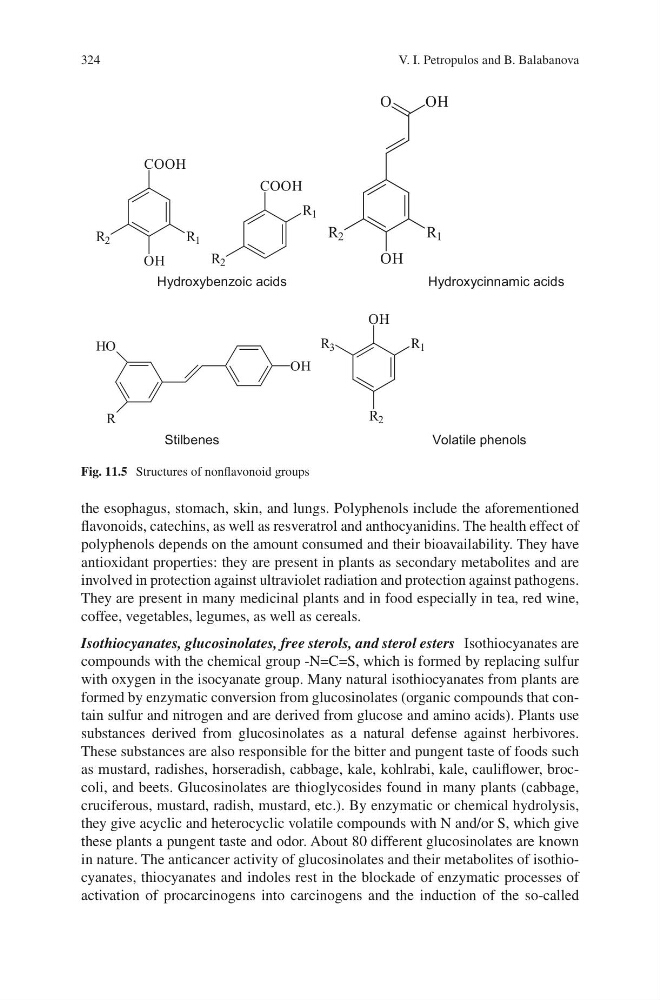
Fig. 11.5 Structures of nonflavonoid groups
V. I. Petropulos and B. Balabanova
the esophagus, stomach, skin, and lungs. Polyphenols include the aforementioned
flavonoids, catechins, as well as resveratrol and anthocyanidins. The health effect of
polyphenols depends on the amount consumed and their bioavailability. They have
antioxidant properties: they are present in plants as secondary metabolites and are
involved in protection against ultraviolet radiation and protection against pathogens.
They are present in many medicinal plants and in food especially in tea, red wine,
coffee, vegetables, legumes, as well as cereals.
Isothiocyanates, glucosinolates, free sterols, and sterol esters Isothiocyanates are
compounds with the chemical group -N=C=S, which is formed by replacing sulfur
with oxygen in the isocyanate group. Many natural isothiocyanates from plants are
formed by enzymatic conversion from glucosinolates (organic compounds that contain sulfur and nitrogen and are derived from glucose and amino acids). Plants use
substances derived from glucosinolates as a natural defense against herbivores.
These substances are also responsible for the bitter and pungent taste of foods such
as mustard, radishes, horseradish, cabbage, kale, kohlrabi, kale, cauliflower, broccoli, and beets. Glucosinolates are thioglycosides found in many plants (cabbage,
cruciferous, mustard, radish, mustard, etc.). By enzymatic or chemical hydrolysis,
they give acyclic and heterocyclic volatile compounds with N and/or S, which give
these plants a pungent taste and odor. About 80 different glucosinolates are known
in nature. The anticancer activity of glucosinolates and their metabolites of isothiocyanates, thiocyanates and indoles rest in the blockade of enzymatic processes of
activation of procarcinogens into carcinogens and the induction of the so-called
Hydroxybenzoic acids
H ydroxycinnamic acids
Stilbenes
V olatile phenols
COOH
R 2
R 1
OH
COOH
R 1
R 2
R 2
OH
R 1
OH
O
R
HO
OH
OH
R 1
R 3
R 2
Fig. 11.5 Structures of nonflavonoid groups
V. I. Petropulos and B. Balabanova