

An Overview on Costs of Shifting to Sustainable ...
103
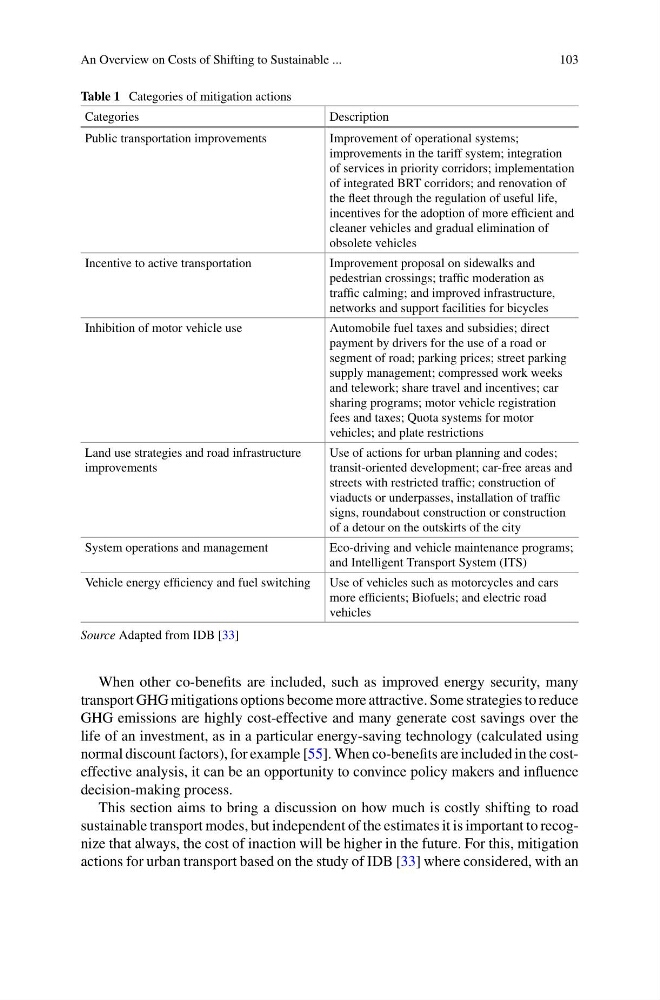
Table 1 Categories of mitigation actions
Categories
Description
Public transportation improvements
Improvement of operational systems;
improvements in the tariff system; integration
of services in priority corridors; implementation
of integrated BRT corridors; and renovation of
the fleet through the regulation of useful life,
incentives for the adoption of more efficient and
cleaner vehicles and gradual elimination of
obsolete vehicles
Incentive to active transportation
Improvement proposal on sidewalks and
pedestrian crossings; traffic moderation as
traffic calming; and improved infrastructure,
networks and support facilities for bicycles
Inhibition of motor vehicle use
Automobile fuel taxes and subsidies; direct
payment by drivers for the use of a road or
segment of road; parking prices; street parking
supply management; compressed work weeks
and telework; share travel and incentives; car
sharing programs; motor vehicle registration
fees and taxes; Quota systems for motor
vehicles; and plate restrictions
Land use strategies and road infrastructure
improvements
Use of actions for urban planning and codes;
transit-oriented development; car-free areas and
streets with restricted traffic; construction of
viaducts or underpasses, installation of traffic
signs, roundabout construction or construction
of a detour on the outskirts of the city
System operations and management
Eco-driving and vehicle maintenance programs;
and Intelligent Transport System (ITS)
Vehicle energy efficiency and fuel switching
Use of vehicles such as motorcycles and cars
more efficients; Biofuels; and electric road
vehicles
Source Adapted from IDB [33]
When other co-benefits are included, such as improved energy security, many
transport GHG mitigations options become more attractive. Some strategies to reduce
GHG emissions are highly cost-effective and many generate cost savings over the
life of an investment, as in a particular energy-saving technology (calculated using
normal discount factors), for example [55]. When co-benefits are included in the costeffective analysis, it can be an opportunity to convince policy makers and influence
decision-making process.
This section aims to bring a discussion on how much is costly shifting to road
sustainable transport modes, but independent of the estimates it is important to recognize that always, the cost of inaction will be higher in the future. For this, mitigation
actions for urban transport based on the study of IDB [33] where considered, with an
103
Table 1 Categories of mitigation actions
Categories
Description
Public transportation improvements
Improvement of operational systems;
improvements in the tariff system; integration
of services in priority corridors; implementation
of integrated BRT corridors; and renovation of
the fleet through the regulation of useful life,
incentives for the adoption of more efficient and
cleaner vehicles and gradual elimination of
obsolete vehicles
Incentive to active transportation
Improvement proposal on sidewalks and
pedestrian crossings; traffic moderation as
traffic calming; and improved infrastructure,
networks and support facilities for bicycles
Inhibition of motor vehicle use
Automobile fuel taxes and subsidies; direct
payment by drivers for the use of a road or
segment of road; parking prices; street parking
supply management; compressed work weeks
and telework; share travel and incentives; car
sharing programs; motor vehicle registration
fees and taxes; Quota systems for motor
vehicles; and plate restrictions
Land use strategies and road infrastructure
improvements
Use of actions for urban planning and codes;
transit-oriented development; car-free areas and
streets with restricted traffic; construction of
viaducts or underpasses, installation of traffic
signs, roundabout construction or construction
of a detour on the outskirts of the city
System operations and management
Eco-driving and vehicle maintenance programs;
and Intelligent Transport System (ITS)
Vehicle energy efficiency and fuel switching
Use of vehicles such as motorcycles and cars
more efficients; Biofuels; and electric road
vehicles
Source Adapted from IDB [33]
When other co-benefits are included, such as improved energy security, many
transport GHG mitigations options become more attractive. Some strategies to reduce
GHG emissions are highly cost-effective and many generate cost savings over the
life of an investment, as in a particular energy-saving technology (calculated using
normal discount factors), for example [55]. When co-benefits are included in the costeffective analysis, it can be an opportunity to convince policy makers and influence
decision-making process.
This section aims to bring a discussion on how much is costly shifting to road
sustainable transport modes, but independent of the estimates it is important to recognize that always, the cost of inaction will be higher in the future. For this, mitigation
actions for urban transport based on the study of IDB [33] where considered, with an