

16 Integrating Ecosystem Services, Green Infrastructure and Nature-Based …
309
ES – verƟcal and
horizontal – using
ecosystem structure
and flows
ES – verƟcal and
horizontal – using
ecosystem structure
and flows
UGI as the way ES
are designed and
managed by society
UGI as the way ES
are designed and
managed by society
(Re-)Construct ES
supply and flows
using UGI and blue
elements
(Re-)Construct ES
supply and flows
using UGI and blue
elements
Expected impact/effect to make urban land management more sustainable
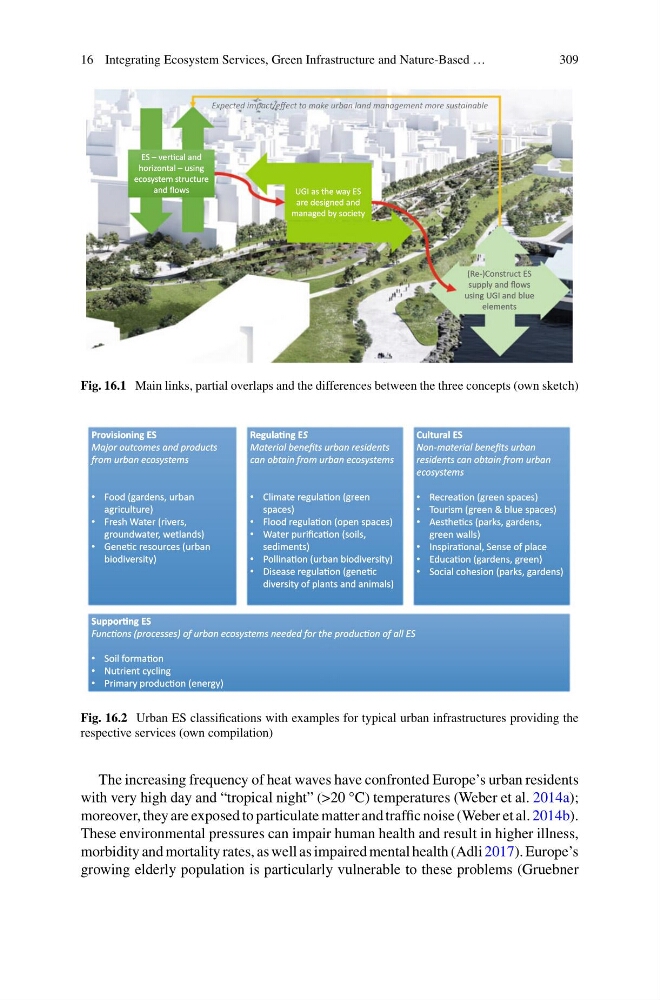
Fig. 16.1 Main links, partial overlaps and the differences between the three concepts (own sketch)
Provisioning ES
Major outcomes and products
from urban ecosystems
• Food (gardens, urban
agriculture)
• Fresh Water (rivers,
groundwater, wetlands)
• GeneƟc resources (urban
biodiversity)
Provisioning ES
Major outcomes and products
from urban ecosystems
• Food (gardens, urban
agriculture)
• Fresh Water (rivers,
groundwater, wetlands)
• GeneƟc resources (urban
biodiversity)
RegulaƟng ES
Material benefits urban residents
can obtain from urban ecosystems
• Climate regulaƟon (green
spaces)
• Flood regulaƟon (open spaces)
• Water purificaƟon (soils,
sediments)
• PollinaƟon (urban biodiversity)
• Disease regulaƟon (geneƟc
diversity of plants and animals)
RegulaƟng ES
Material benefits urban residents
can obtain from urban ecosystems
• Climate regulaƟon (green
spaces)
• Flood regulaƟon (open spaces)
• Water purificaƟon (soils,
sediments)
• PollinaƟon (urban biodiversity)
• Disease regulaƟon (geneƟc
diversity of plants and animals)
Cultural ES
Non-material benefits urban
residents can obtain from urban
ecosystems
• RecreaƟon (green spaces)
• Tourism (green & blue spaces)
• AestheƟcs (parks, gardens,
green walls)
• InspiraƟonal, Sense of place
• EducaƟon (gardens, green)
• Social cohesion (parks, gardens)
Cultural ES
Non-material benefits urban
residents can obtain from urban
ecosystems
• RecreaƟon (green spaces)
• Tourism (green & blue spaces)
• AestheƟcs (parks, gardens,
green walls)
• InspiraƟonal, Sense of place
• EducaƟon (gardens, green)
• Social cohesion (parks, gardens)
SupporƟng ES
Funcons (processes) of urban ecosystems needed for the producon of all ES
• Soil formaƟon
• Nutrient cycling
• Primary producƟon (energy)
SupporƟng ES
Funcons (processes) of urban ecosystems needed for the producon of all ES
• Soil formaƟon
• Nutrient cycling
• Primary producƟon (energy)
Fig. 16.2 Urban ES classifications with examples for typical urban infrastructures providing the
respective services (own compilation)
The increasing frequency of heat waves have confronted Europe’s urban residents
with very high day and “tropical night” (>20 °C) temperatures (Weber et al. 2014a);
moreover, they are exposed to particulate matter and traffic noise (Weber et al. 2014b).
These environmental pressures can impair human health and result in higher illness,
morbidity and mortality rates, as well as impaired mental health (Adli 2017). Europe’s
growing elderly population is particularly vulnerable to these problems (Gruebner
309
ES – verƟcal and
horizontal – using
ecosystem structure
and flows
ES – verƟcal and
horizontal – using
ecosystem structure
and flows
UGI as the way ES
are designed and
managed by society
UGI as the way ES
are designed and
managed by society
(Re-)Construct ES
supply and flows
using UGI and blue
elements
(Re-)Construct ES
supply and flows
using UGI and blue
elements
Expected impact/effect to make urban land management more sustainable
Fig. 16.1 Main links, partial overlaps and the differences between the three concepts (own sketch)
Provisioning ES
Major outcomes and products
from urban ecosystems
• Food (gardens, urban
agriculture)
• Fresh Water (rivers,
groundwater, wetlands)
• GeneƟc resources (urban
biodiversity)
Provisioning ES
Major outcomes and products
from urban ecosystems
• Food (gardens, urban
agriculture)
• Fresh Water (rivers,
groundwater, wetlands)
• GeneƟc resources (urban
biodiversity)
RegulaƟng ES
Material benefits urban residents
can obtain from urban ecosystems
• Climate regulaƟon (green
spaces)
• Flood regulaƟon (open spaces)
• Water purificaƟon (soils,
sediments)
• PollinaƟon (urban biodiversity)
• Disease regulaƟon (geneƟc
diversity of plants and animals)
RegulaƟng ES
Material benefits urban residents
can obtain from urban ecosystems
• Climate regulaƟon (green
spaces)
• Flood regulaƟon (open spaces)
• Water purificaƟon (soils,
sediments)
• PollinaƟon (urban biodiversity)
• Disease regulaƟon (geneƟc
diversity of plants and animals)
Cultural ES
Non-material benefits urban
residents can obtain from urban
ecosystems
• RecreaƟon (green spaces)
• Tourism (green & blue spaces)
• AestheƟcs (parks, gardens,
green walls)
• InspiraƟonal, Sense of place
• EducaƟon (gardens, green)
• Social cohesion (parks, gardens)
Cultural ES
Non-material benefits urban
residents can obtain from urban
ecosystems
• RecreaƟon (green spaces)
• Tourism (green & blue spaces)
• AestheƟcs (parks, gardens,
green walls)
• InspiraƟonal, Sense of place
• EducaƟon (gardens, green)
• Social cohesion (parks, gardens)
SupporƟng ES
Funcons (processes) of urban ecosystems needed for the producon of all ES
• Soil formaƟon
• Nutrient cycling
• Primary producƟon (energy)
SupporƟng ES
Funcons (processes) of urban ecosystems needed for the producon of all ES
• Soil formaƟon
• Nutrient cycling
• Primary producƟon (energy)
Fig. 16.2 Urban ES classifications with examples for typical urban infrastructures providing the
respective services (own compilation)
The increasing frequency of heat waves have confronted Europe’s urban residents
with very high day and “tropical night” (>20 °C) temperatures (Weber et al. 2014a);
moreover, they are exposed to particulate matter and traffic noise (Weber et al. 2014b).
These environmental pressures can impair human health and result in higher illness,
morbidity and mortality rates, as well as impaired mental health (Adli 2017). Europe’s
growing elderly population is particularly vulnerable to these problems (Gruebner