

12 Climate Change Adaptation Strategies in Primary Health Care
223
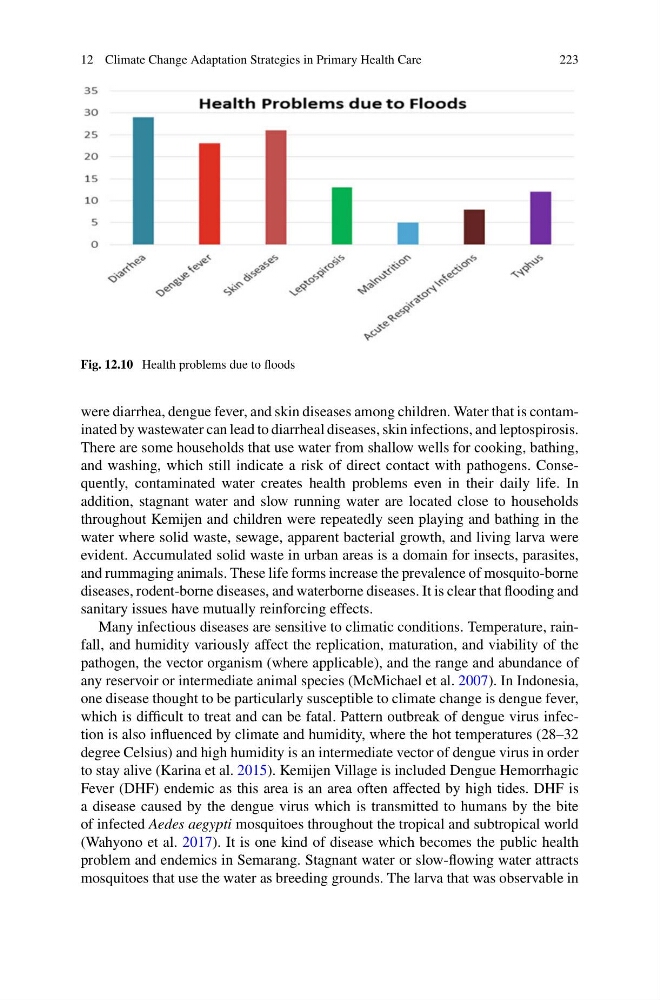
Fig. 12.10 Health problems due to floods
were diarrhea, dengue fever, and skin diseases among children. Water that is contaminated by wastewater can lead to diarrheal diseases, skin infections, and leptospirosis.
There are some households that use water from shallow wells for cooking, bathing,
and washing, which still indicate a risk of direct contact with pathogens. Consequently, contaminated water creates health problems even in their daily life. In
addition, stagnant water and slow running water are located close to households
throughout Kemijen and children were repeatedly seen playing and bathing in the
water where solid waste, sewage, apparent bacterial growth, and living larva were
evident. Accumulated solid waste in urban areas is a domain for insects, parasites,
and rummaging animals. These life forms increase the prevalence of mosquito-borne
diseases, rodent-borne diseases, and waterborne diseases. It is clear that flooding and
sanitary issues have mutually reinforcing effects.
Many infectious diseases are sensitive to climatic conditions. Temperature, rainfall, and humidity variously affect the replication, maturation, and viability of the
pathogen, the vector organism (where applicable), and the range and abundance of
any reservoir or intermediate animal species (McMichael et al. 2007). In Indonesia,
one disease thought to be particularly susceptible to climate change is dengue fever,
which is difficult to treat and can be fatal. Pattern outbreak of dengue virus infection is also influenced by climate and humidity, where the hot temperatures (28–32
degree Celsius) and high humidity is an intermediate vector of dengue virus in order
to stay alive (Karina et al. 2015). Kemijen Village is included Dengue Hemorrhagic
Fever (DHF) endemic as this area is an area often affected by high tides. DHF is
a disease caused by the dengue virus which is transmitted to humans by the bite
of infected Aedes aegypti mosquitoes throughout the tropical and subtropical world
(Wahyono et al. 2017). It is one kind of disease which becomes the public health
problem and endemics in Semarang. Stagnant water or slow-flowing water attracts
mosquitoes that use the water as breeding grounds. The larva that was observable in
223
Fig. 12.10 Health problems due to floods
were diarrhea, dengue fever, and skin diseases among children. Water that is contaminated by wastewater can lead to diarrheal diseases, skin infections, and leptospirosis.
There are some households that use water from shallow wells for cooking, bathing,
and washing, which still indicate a risk of direct contact with pathogens. Consequently, contaminated water creates health problems even in their daily life. In
addition, stagnant water and slow running water are located close to households
throughout Kemijen and children were repeatedly seen playing and bathing in the
water where solid waste, sewage, apparent bacterial growth, and living larva were
evident. Accumulated solid waste in urban areas is a domain for insects, parasites,
and rummaging animals. These life forms increase the prevalence of mosquito-borne
diseases, rodent-borne diseases, and waterborne diseases. It is clear that flooding and
sanitary issues have mutually reinforcing effects.
Many infectious diseases are sensitive to climatic conditions. Temperature, rainfall, and humidity variously affect the replication, maturation, and viability of the
pathogen, the vector organism (where applicable), and the range and abundance of
any reservoir or intermediate animal species (McMichael et al. 2007). In Indonesia,
one disease thought to be particularly susceptible to climate change is dengue fever,
which is difficult to treat and can be fatal. Pattern outbreak of dengue virus infection is also influenced by climate and humidity, where the hot temperatures (28–32
degree Celsius) and high humidity is an intermediate vector of dengue virus in order
to stay alive (Karina et al. 2015). Kemijen Village is included Dengue Hemorrhagic
Fever (DHF) endemic as this area is an area often affected by high tides. DHF is
a disease caused by the dengue virus which is transmitted to humans by the bite
of infected Aedes aegypti mosquitoes throughout the tropical and subtropical world
(Wahyono et al. 2017). It is one kind of disease which becomes the public health
problem and endemics in Semarang. Stagnant water or slow-flowing water attracts
mosquitoes that use the water as breeding grounds. The larva that was observable in