

resistant, to high salinity, which are able to grow at 4% of
NaCl. Additionally, most of isolates from both plants were
highly tolerant to high temperature and grew at 44 °C; one
strain showed the greatest tolerance to high temperature at
48 °C (Mohamed et al. 2018a).
The symbiosis between rhizobia and leguminous plants is
a sensitive process for environmental factors, especially
saline stress, as it prevents the first step of the symbiosis
process (Zahran 1991). Rhizobia can tolerate salinity more
than the host plant can, but their degree of tolerance varies
(Zahran 1999). Inoculation of leguminous plants with saline
resistant strains of rhizobia may help the host plant to resist
salinity. From this standpoint, it became necessary to search
for saline-tolerant rhizobial isolates, grow legumes in arid
and semi-arid regions, and select the isolates that have the
potential to improve symbiotic process and nitrogen fixation
in saline soils.
In order to determine the level of sodium chloride salt
that allows the formation of symbiosis and nitrogen fixation, a survey of 84 isolates were isolated from different
legumes, planted or wild, in different locations of the dry
zone (Fezzan). Three groups were formed when the results
of the salinity test were subjected to numerical analysis.
Most of the isolates in the first group were resistant to all
tested salts. These isolates were from non-saline soils and
grew at a salinity level of 8.5–9.5% on agar plates. The
isolates of the second group, which was isolated from
saline soil, were sensitive to sodium and magnesium
chloride salts. The third group of isolates varied in their
response to salts tested. Meanwhile, the effect of NaCl salt
on the symbiosis between alfalfa plant and some isolates
from the fenugreek showed that the maximum concentration allowed for the formation of symbiosis was between
0.8 and 1% of NaCl. 1.5% level was a disincentive to the
symbiosis process (Mohamed et al. 2018b).
More exclusive investigation of the symbiotic rhizobia
was studied with some wild plants in different regions of
Libya, including arid and semi-arid regions, specifically in
the north-west (Mazda, Gharyan, Yafran, Nalut, Darj, and
Ghadames), in the north-east (Ras Al Hilal and Al Bayda),
and in the south (Ghat, Wadi Al Shati, and Jabal Al
Hasawnah) (see Fig. 1.1, Chap. 1). Phenotypic variety was
studied for 51 rhizobial isolates isolated from the root nodules of five species of wild legumes: Trigonella stellata,
Medicago polymorpha L., Astragalus spp. Bioss, and
Lupinus varius L. (Khalifa 2013). The symbiotic features of
the rhizobial isolates showed that the isolates from the
Astragalus spp. and Lupinus varius (Fig. 7.12) were specialized and were symbiotic only with their hosts (Fig. 7.13).
Meanwhile, the isolates of M. polymorpha and the wild
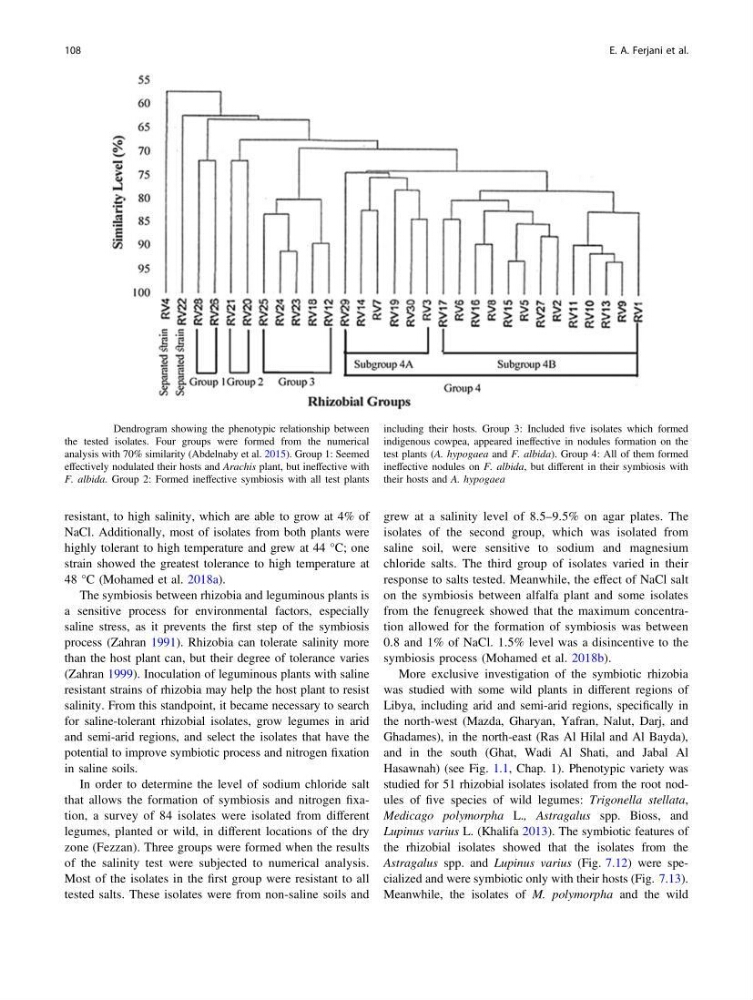
Fig. 7.11 Dendrogram showing the phenotypic relationship between
the tested isolates. Four groups were formed from the numerical
analysis with 70% similarity (Abdelnaby et al. 2015). Group 1: Seemed
effectively nodulated their hosts and Arachis plant, but ineffective with
F. albida. Group 2: Formed ineffective symbiosis with all test plants
including their hosts. Group 3: Included five isolates which formed
indigenous cowpea, appeared ineffective in nodules formation on the
test plants (A. hypogaea and F. albida). Group 4: All of them formed
ineffective nodules on F. albida, but different in their symbiosis with
their hosts and A. hypogaea
108
E. A. Ferjani et al.
NaCl. Additionally, most of isolates from both plants were
highly tolerant to high temperature and grew at 44 °C; one
strain showed the greatest tolerance to high temperature at
48 °C (Mohamed et al. 2018a).
The symbiosis between rhizobia and leguminous plants is
a sensitive process for environmental factors, especially
saline stress, as it prevents the first step of the symbiosis
process (Zahran 1991). Rhizobia can tolerate salinity more
than the host plant can, but their degree of tolerance varies
(Zahran 1999). Inoculation of leguminous plants with saline
resistant strains of rhizobia may help the host plant to resist
salinity. From this standpoint, it became necessary to search
for saline-tolerant rhizobial isolates, grow legumes in arid
and semi-arid regions, and select the isolates that have the
potential to improve symbiotic process and nitrogen fixation
in saline soils.
In order to determine the level of sodium chloride salt
that allows the formation of symbiosis and nitrogen fixation, a survey of 84 isolates were isolated from different
legumes, planted or wild, in different locations of the dry
zone (Fezzan). Three groups were formed when the results
of the salinity test were subjected to numerical analysis.
Most of the isolates in the first group were resistant to all
tested salts. These isolates were from non-saline soils and
grew at a salinity level of 8.5–9.5% on agar plates. The
isolates of the second group, which was isolated from
saline soil, were sensitive to sodium and magnesium
chloride salts. The third group of isolates varied in their
response to salts tested. Meanwhile, the effect of NaCl salt
on the symbiosis between alfalfa plant and some isolates
from the fenugreek showed that the maximum concentration allowed for the formation of symbiosis was between
0.8 and 1% of NaCl. 1.5% level was a disincentive to the
symbiosis process (Mohamed et al. 2018b).
More exclusive investigation of the symbiotic rhizobia
was studied with some wild plants in different regions of
Libya, including arid and semi-arid regions, specifically in
the north-west (Mazda, Gharyan, Yafran, Nalut, Darj, and
Ghadames), in the north-east (Ras Al Hilal and Al Bayda),
and in the south (Ghat, Wadi Al Shati, and Jabal Al
Hasawnah) (see Fig. 1.1, Chap. 1). Phenotypic variety was
studied for 51 rhizobial isolates isolated from the root nodules of five species of wild legumes: Trigonella stellata,
Medicago polymorpha L., Astragalus spp. Bioss, and
Lupinus varius L. (Khalifa 2013). The symbiotic features of
the rhizobial isolates showed that the isolates from the
Astragalus spp. and Lupinus varius (Fig. 7.12) were specialized and were symbiotic only with their hosts (Fig. 7.13).
Meanwhile, the isolates of M. polymorpha and the wild
Fig. 7.11 Dendrogram showing the phenotypic relationship between
the tested isolates. Four groups were formed from the numerical
analysis with 70% similarity (Abdelnaby et al. 2015). Group 1: Seemed
effectively nodulated their hosts and Arachis plant, but ineffective with
F. albida. Group 2: Formed ineffective symbiosis with all test plants
including their hosts. Group 3: Included five isolates which formed
indigenous cowpea, appeared ineffective in nodules formation on the
test plants (A. hypogaea and F. albida). Group 4: All of them formed
ineffective nodules on F. albida, but different in their symbiosis with
their hosts and A. hypogaea
108
E. A. Ferjani et al.