

and Onaga 1993). This suggests that the amount of soil
erosion during the rainy season was higher than that in other
seasons. Additionally, other factors affecting soil erosion on
the Ryukyu Islands were also investigated (Yoshinaga et al.
2004; Kinjo and Tokashiki 2012; Nishimura 1996a, b). For
example, potassium chloride, calcium carbonate, and calcium sulfate, which are contained in chemical fertilizers, are
possible causes of an increase in soil dispersion on farmland.
This increasing soil dispersion led to increased soil erosion.
(2) Marine pollution due to soil erosion and reduction
efforts
There are three national parks on the Ryukyu Islands. The
marine and terrestrial life in these parks is protected and
managed by the Ministry of Environment of the Japanese
government. However, as mentioned above, soil erosion
from farmland led to estuary marine pollution. Omija et al.
(1995) reported that the eroded soil that flowed into the
estuary killed coral and sea urchin larvae, suppressed the
activity of plankton, and altered the behavior of fish. This
indicates that marine pollution due to soil erosion impaired
biological diversity.
The Okinawa prefectural regulation on soil erosion was
enacted in 1994. This regulation requires supervisors of
construction work (civil engineering work) that is being
conducted in areas with Red-Yellow soil to take measures to
reduce soil erosion. The amount of soil erosion as calculated
using the universal soil loss equation before and after
enacting the regulation was 521,000 and 298,000 t year
−1 ,
respectively (Higa et al. 1995; Nakasone et al. 1998). These
reports indicate that the amount of soil erosion gradually
decreased (Table 10.6). In particular, the amount of soil
erosion from areas under construction decreased drastically
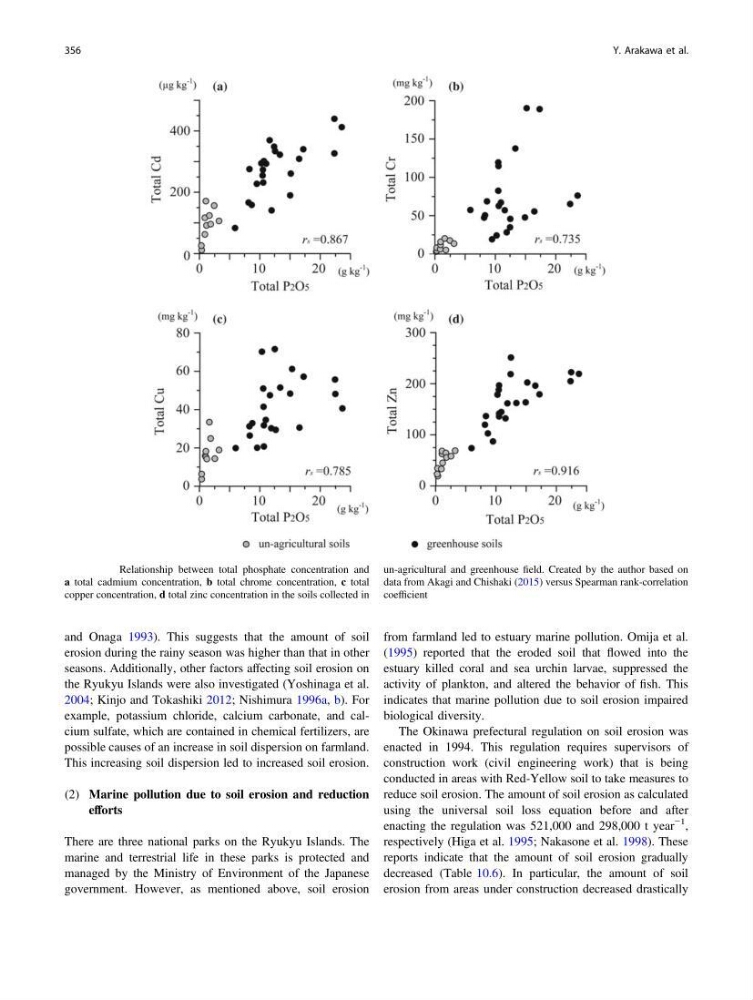
Fig. 10.16 Relationship between total phosphate concentration and
a total cadmium concentration, b total chrome concentration, c total
copper concentration, d total zinc concentration in the soils collected in
un-agricultural and greenhouse field. Created by the author based on
data from Akagi and Chishaki (2015) versus Spearman rank-correlation
coefficient
356
Y. Arakawa et al.
erosion during the rainy season was higher than that in other
seasons. Additionally, other factors affecting soil erosion on
the Ryukyu Islands were also investigated (Yoshinaga et al.
2004; Kinjo and Tokashiki 2012; Nishimura 1996a, b). For
example, potassium chloride, calcium carbonate, and calcium sulfate, which are contained in chemical fertilizers, are
possible causes of an increase in soil dispersion on farmland.
This increasing soil dispersion led to increased soil erosion.
(2) Marine pollution due to soil erosion and reduction
efforts
There are three national parks on the Ryukyu Islands. The
marine and terrestrial life in these parks is protected and
managed by the Ministry of Environment of the Japanese
government. However, as mentioned above, soil erosion
from farmland led to estuary marine pollution. Omija et al.
(1995) reported that the eroded soil that flowed into the
estuary killed coral and sea urchin larvae, suppressed the
activity of plankton, and altered the behavior of fish. This
indicates that marine pollution due to soil erosion impaired
biological diversity.
The Okinawa prefectural regulation on soil erosion was
enacted in 1994. This regulation requires supervisors of
construction work (civil engineering work) that is being
conducted in areas with Red-Yellow soil to take measures to
reduce soil erosion. The amount of soil erosion as calculated
using the universal soil loss equation before and after
enacting the regulation was 521,000 and 298,000 t year
−1 ,
respectively (Higa et al. 1995; Nakasone et al. 1998). These
reports indicate that the amount of soil erosion gradually
decreased (Table 10.6). In particular, the amount of soil
erosion from areas under construction decreased drastically
Fig. 10.16 Relationship between total phosphate concentration and
a total cadmium concentration, b total chrome concentration, c total
copper concentration, d total zinc concentration in the soils collected in
un-agricultural and greenhouse field. Created by the author based on
data from Akagi and Chishaki (2015) versus Spearman rank-correlation
coefficient
356
Y. Arakawa et al.