

10.4.5 Soil Erosion and Its Control
(1) Properties of soil erosion in the Ryukyu Islands
Argic Red-Yellow soils in the Ryukyu Islands are classified
as Typic Hapludults. This soil covers approximately 50% of
the area of the Ryukyu Islands. The soil is acidic and has a
base saturation ratio of less than 50%, as the contents of
carbon and cation exchange capacity are about 5 g kg
−1 and
about 10 cmol c kg
−1
, respectively. The major clay minerals
in this soil are kaolin minerals, mica, intergraded
chlorite-vermiculite, and vermiculite (Tokashiki et al. 1982).
The soil aggregates in this soil can be easily disintegrated by
rainwater, as the levels of carbon and exchangeable cations
in this soil are low. This indicates that the content of
water-stable aggregates is very low in this soil. Therefore,
soil erosion is caused by rainwater as a result of poorly
developed soil aggregates.
There are two causes of soil erosion: natural and human
causes. The former is based on landform, geology, precipitation, and rainfall intensity, whereas the latter is based on
farming activities and civil engineering activities. The
amount of soil erosion on the Ryukyu Islands was very low
before 1950, because soil erosion was only due to natural
factors. However, since 1950, the amount of soil erosion has
increased due to increasing human activities (Onaga et al.
1999). Mountains covered in Red-Yellow soil were
over-deforested in order to develop farmland, the US military base, and tourism facilities. Over-deforestation in these
areas led to soil erosion, and the soil that was eroded from
these areas caused extensive marine pollution (Onaga et al.
1999). A recent Okinawa prefectural government report
stated that soil erosion mainly originated from farmland. It
suggested that the soil erosion is related to the climate and
farming activity in the Ryukyu Islands. The Ryukyu Islands
are hit by typhoons during the rainy season in April to June,
which leads to heavy rains. A clay crust is subsequently
formed in the surface soil of the farmland that is exposed to
rain and wind during the rainy season; rainwater cannot
percolate through the subsoil owing to the formation of a
clay crust. As a result, the surface soil of farmland was
eroded by water, which flowed into an estuary (Onaga et al.
1994). Increased amounts of daily rainfall and surface runoff
resulted in increasing amounts of soil erosion (Yoshinaga
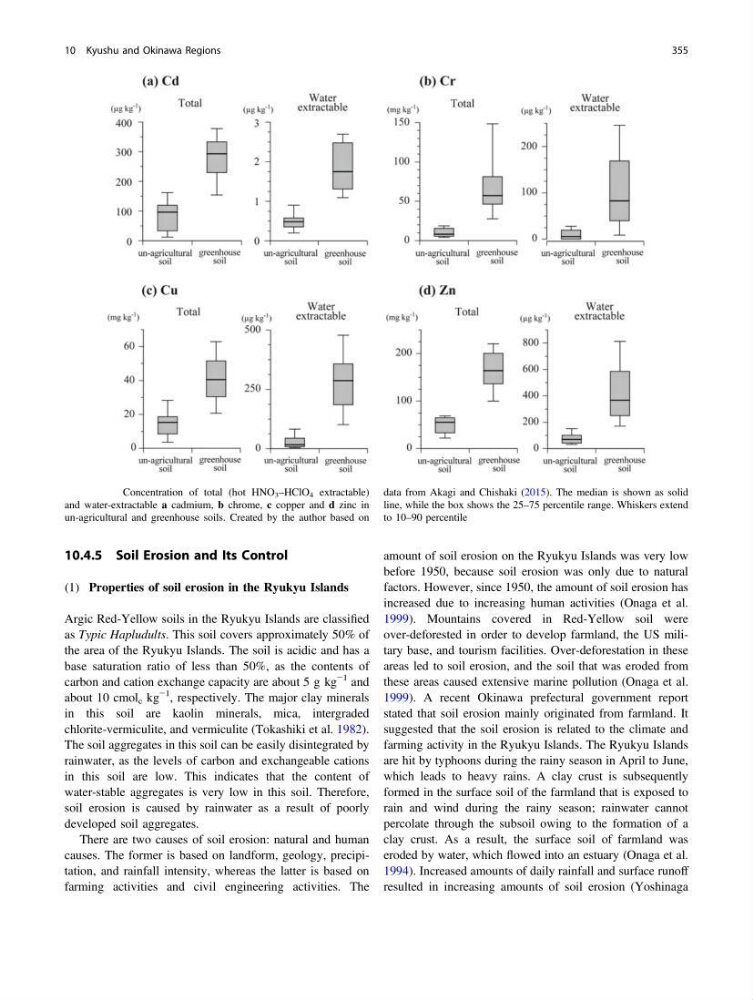
Fig. 10.15 Concentration of total (hot HNO 3 –HClO 4 extractable)
and water-extractable a cadmium, b chrome, c copper and d zinc in
un-agricultural and greenhouse soils. Created by the author based on
data from Akagi and Chishaki (2015). The median is shown as solid
line, while the box shows the 25–75 percentile range. Whiskers extend
to 10–90 percentile
10 Kyushu and Okinawa Regions
355
(1) Properties of soil erosion in the Ryukyu Islands
Argic Red-Yellow soils in the Ryukyu Islands are classified
as Typic Hapludults. This soil covers approximately 50% of
the area of the Ryukyu Islands. The soil is acidic and has a
base saturation ratio of less than 50%, as the contents of
carbon and cation exchange capacity are about 5 g kg
−1 and
about 10 cmol c kg
−1
, respectively. The major clay minerals
in this soil are kaolin minerals, mica, intergraded
chlorite-vermiculite, and vermiculite (Tokashiki et al. 1982).
The soil aggregates in this soil can be easily disintegrated by
rainwater, as the levels of carbon and exchangeable cations
in this soil are low. This indicates that the content of
water-stable aggregates is very low in this soil. Therefore,
soil erosion is caused by rainwater as a result of poorly
developed soil aggregates.
There are two causes of soil erosion: natural and human
causes. The former is based on landform, geology, precipitation, and rainfall intensity, whereas the latter is based on
farming activities and civil engineering activities. The
amount of soil erosion on the Ryukyu Islands was very low
before 1950, because soil erosion was only due to natural
factors. However, since 1950, the amount of soil erosion has
increased due to increasing human activities (Onaga et al.
1999). Mountains covered in Red-Yellow soil were
over-deforested in order to develop farmland, the US military base, and tourism facilities. Over-deforestation in these
areas led to soil erosion, and the soil that was eroded from
these areas caused extensive marine pollution (Onaga et al.
1999). A recent Okinawa prefectural government report
stated that soil erosion mainly originated from farmland. It
suggested that the soil erosion is related to the climate and
farming activity in the Ryukyu Islands. The Ryukyu Islands
are hit by typhoons during the rainy season in April to June,
which leads to heavy rains. A clay crust is subsequently
formed in the surface soil of the farmland that is exposed to
rain and wind during the rainy season; rainwater cannot
percolate through the subsoil owing to the formation of a
clay crust. As a result, the surface soil of farmland was
eroded by water, which flowed into an estuary (Onaga et al.
1994). Increased amounts of daily rainfall and surface runoff
resulted in increasing amounts of soil erosion (Yoshinaga
Fig. 10.15 Concentration of total (hot HNO 3 –HClO 4 extractable)
and water-extractable a cadmium, b chrome, c copper and d zinc in
un-agricultural and greenhouse soils. Created by the author based on
data from Akagi and Chishaki (2015). The median is shown as solid
line, while the box shows the 25–75 percentile range. Whiskers extend
to 10–90 percentile
10 Kyushu and Okinawa Regions
355