

(3) Effects of green manure application
A field study was carried out for nine years in order to
examine the effects of the long-term application of sunn
hemp and sorghum on the soil properties of Calcareous
Eutrosols on Tokunoshima, in the Nansei Islands (Goto and
Nagata 2000). The average yield of succeeding potato
(Solanum tuberosum L.) increased by 11–18% with green
manure application. Soil concentrations of total carbon, total
nitrogen, and exchangeable potassium increased with the
successive application of green manure. The increase in the
level of total carbon was higher with sorghum application
due to a larger carbon input than for sunn hemp. Additionally, the successive application of sorghum improved the soil
physical properties, the bulk density decreased, and the
porosity of the soil increased.
On Okinawa Island, a field study was carried out for ten
years on Marlitic Terrestrial Regosols to examine the effects
of the long-term application of sesbania (Sesbania cannabina
L. Ritz), leguminous green manure, and cattle manure compost (Miyamaru et al. 2012). The average yield of succeeding
sweetcorn was 1% and 7% higher following the application of
sesbania and compost, respectively, compared to a control
with no application of organic matter. Although no remarkable differences were observed in the soil physical properties,
the carbon and nitrogen contents in the soil microbial biomass
(Fig. 10.8) and the microbial activity were significantly
higher in the soil with sesbania or compost application than in
the control, while the level of mineralizable nitrogen also
increased. The total carbon and nitrogen contents of the soil
increased with the successive application of organic matter,
but the increase was small. There were no remarkable differences between the long-term application of sesbania and
compost on soil properties. Therefore, it is considered that the
application of green manure and compost is effective for the
improvement of soil fertility in the Nansei Islands.
As mentioned in Sect. 10.4.5, soil erosion from farmland
is one of the most serious problems in the Nansei Islands,
especially in the area where Red-Yellow soils are widely
distributed. The cultivation of green manure as a cover crop
reduced soil erosion from farmland (Nagumo et al. 2006).
Thus, green manure is effective not only for the improvement of soil fertility but also for soil conservation.
10.2.3 Soybean-Rhizobium Management
Soybean (Glycine max L. Merril) is one of the most
important crops for Japanese traditional foods, being used in
products such as soybean curd, soy paste, soy sauce, and so
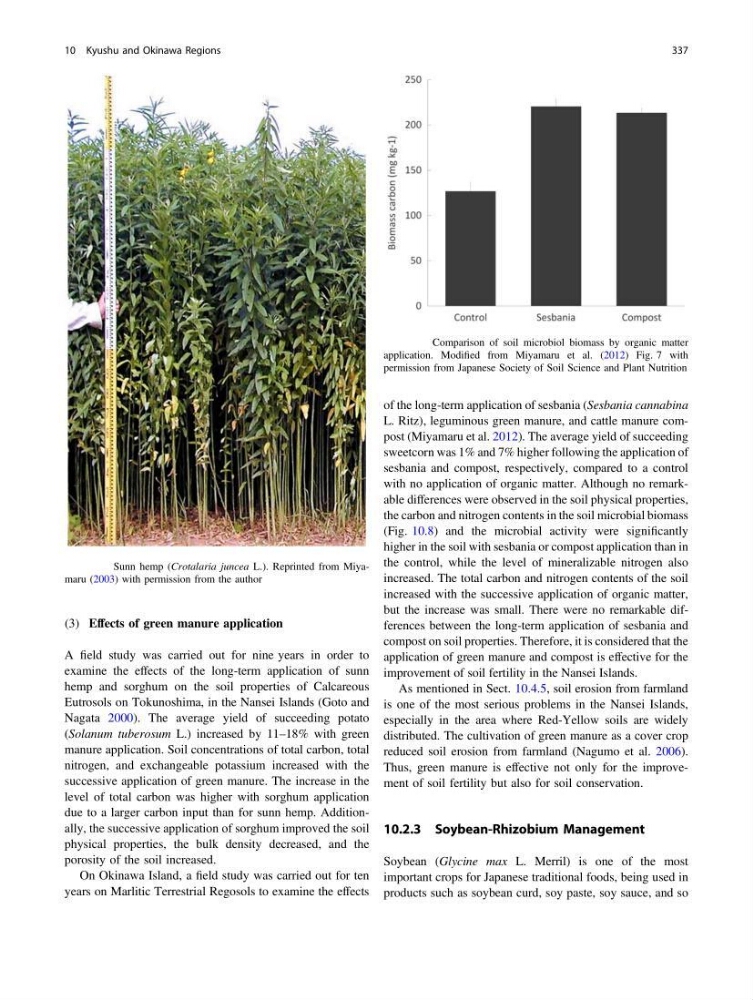
Fig. 10.7 Sunn hemp (Crotalaria juncea L.). Reprinted from Miyamaru (2003) with permission from the author
Fig. 10.8 Comparison of soil microbiol biomass by organic matter
application. Modified from Miyamaru et al. (2012) Fig. 7 with
permission from Japanese Society of Soil Science and Plant Nutrition
10 Kyushu and Okinawa Regions
337
A field study was carried out for nine years in order to
examine the effects of the long-term application of sunn
hemp and sorghum on the soil properties of Calcareous
Eutrosols on Tokunoshima, in the Nansei Islands (Goto and
Nagata 2000). The average yield of succeeding potato
(Solanum tuberosum L.) increased by 11–18% with green
manure application. Soil concentrations of total carbon, total
nitrogen, and exchangeable potassium increased with the
successive application of green manure. The increase in the
level of total carbon was higher with sorghum application
due to a larger carbon input than for sunn hemp. Additionally, the successive application of sorghum improved the soil
physical properties, the bulk density decreased, and the
porosity of the soil increased.
On Okinawa Island, a field study was carried out for ten
years on Marlitic Terrestrial Regosols to examine the effects
of the long-term application of sesbania (Sesbania cannabina
L. Ritz), leguminous green manure, and cattle manure compost (Miyamaru et al. 2012). The average yield of succeeding
sweetcorn was 1% and 7% higher following the application of
sesbania and compost, respectively, compared to a control
with no application of organic matter. Although no remarkable differences were observed in the soil physical properties,
the carbon and nitrogen contents in the soil microbial biomass
(Fig. 10.8) and the microbial activity were significantly
higher in the soil with sesbania or compost application than in
the control, while the level of mineralizable nitrogen also
increased. The total carbon and nitrogen contents of the soil
increased with the successive application of organic matter,
but the increase was small. There were no remarkable differences between the long-term application of sesbania and
compost on soil properties. Therefore, it is considered that the
application of green manure and compost is effective for the
improvement of soil fertility in the Nansei Islands.
As mentioned in Sect. 10.4.5, soil erosion from farmland
is one of the most serious problems in the Nansei Islands,
especially in the area where Red-Yellow soils are widely
distributed. The cultivation of green manure as a cover crop
reduced soil erosion from farmland (Nagumo et al. 2006).
Thus, green manure is effective not only for the improvement of soil fertility but also for soil conservation.
10.2.3 Soybean-Rhizobium Management
Soybean (Glycine max L. Merril) is one of the most
important crops for Japanese traditional foods, being used in
products such as soybean curd, soy paste, soy sauce, and so
Fig. 10.7 Sunn hemp (Crotalaria juncea L.). Reprinted from Miyamaru (2003) with permission from the author
Fig. 10.8 Comparison of soil microbiol biomass by organic matter
application. Modified from Miyamaru et al. (2012) Fig. 7 with
permission from Japanese Society of Soil Science and Plant Nutrition
10 Kyushu and Okinawa Regions
337