

per square meter, and the number of grains per ear were
higher in the HANAMIWASE plot than in the No Seeding
plot. Furthermore, the number of grains per square meter
was 1.5 times larger in the HANAMIWASE plot than in the
No Seeding plot. The yield in the HANAMIWASE plot was
477 g m
−2 , which was significantly larger than that in the
No Seeding plot, and the whole grain rate was 88.2%, which
was higher than that of the other plots.
However, no significant difference was observed in the
amount of soil available nitrogen of the plots after cultivation (data collected in April 2014). Although only one green
manure cultivation and plowing alone had an effect on rice
cultivation immediately afterward, it was inferred that the
amount of available nitrogen from green manure was small
in the second year. Therefore, in order to raise the level of
available nitrogen in the soil, it was considered necessary to
consecutively apply at least green manure.
6.6.3 Tsunami-Deposited Sediment
Following the disaster, tsunami-affected fields could not be
used for farming because of the deposition of salts from
seawater, the deposition of sediment from downstream
sources, the incorporation of rubble and gravel, and the
destruction of inflow and drainage facilities. Planting began
in May 2011 in a limited number of fields that had only
limited seawater intrusion and sediment deposition. This
planting was made possible by the removal of surface sediment and soil and desalination by irrigation and rain. In
most fields, however, heavy machinery was required to
remove saline- and rubble-mixed deposited sediment and the
repair and refurbishment of field sections and waterways was
critical. Surface soils were transported from other regions
and applied to farmlands; however, securing appropriate soil
dressing was difficult, as these soils were mixed with rubble
with a size greater than 10 cm, which made plowing
immediately after treatment challenging. At the same time,
in Rikuzentakata—the area most severely affected by the
tsunami in Iwate Prefecture—the processing of rubble-mixed
sediment deposited on disaster-affected farmlands was
another challenging issue.
Therefore, there was a request from the local Farmland
Maintenance Department to determine whether soil extracted
from rubble-mixed sediment could be used as surface soil for
restoring paddy fields. Originating mostly from farmland
regions, this tsunami-deposited sediment was confirmed not
to contain pollutants such as heavy metals. We conducted
tests as part of the efforts to restore disaster-affected
farmland.
Using soil obtained from the local rubble-processing
facility for deposited sediment, the following procedures
were conducted: (1) determination of soil chemical properties (e.g., pH, electric conductivity (EC), total carbon (T–C),
total nitrogen (T–N), and exchangeable bases) as measured
using conventional methods; (2) assessment of the residual
amount of rubble in processed sediment using sieve separation (5 mm mesh) and weighing the soil and rubble separately; and (3) field cultivation of rice (frame:
1.2 m  0.8 m  15 cm surface soil) in a paddy field by
replacing a portion of the original surface soil with
rubble-extracted soil and also a rubble-extracted
soil/mountain soil mixture.
The method used in the processing facility for sorting
rubble from sediment that was collected from
disaster-affected fields comprised sifting the load through a
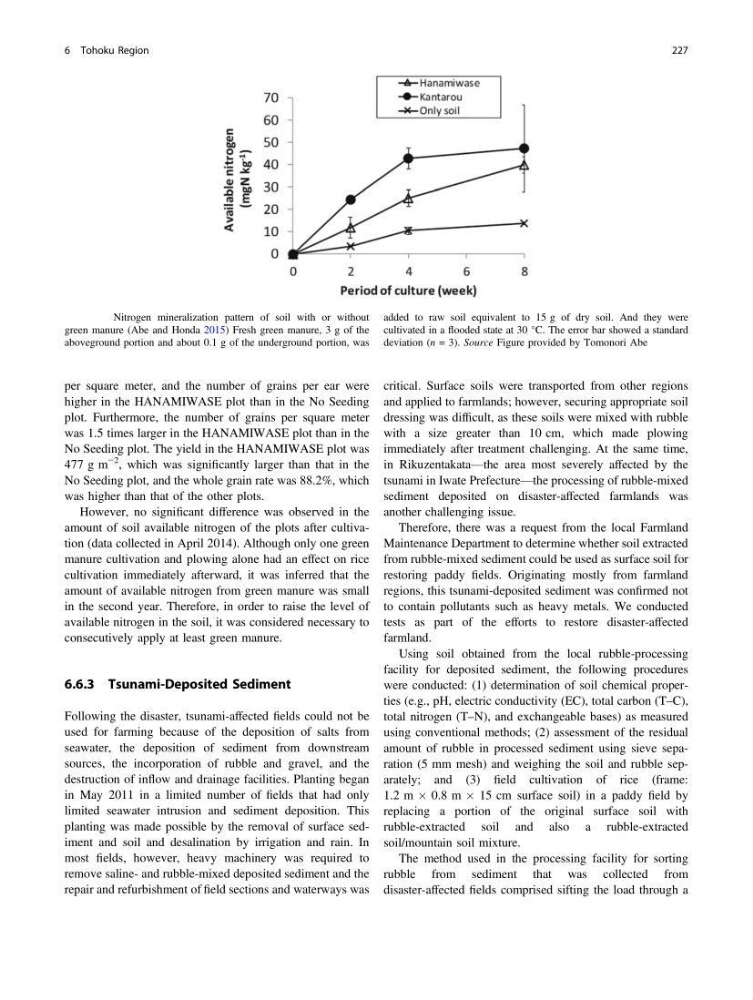
Fig. 6.37 Nitrogen mineralization pattern of soil with or without
green manure (Abe and Honda 2015) Fresh green manure, 3 g of the
aboveground portion and about 0.1 g of the underground portion, was
added to raw soil equivalent to 15 g of dry soil. And they were
cultivated in a flooded state at 30 °C. The error bar showed a standard
deviation (n = 3). Source Figure provided by Tomonori Abe
6 Tohoku Region
227
higher in the HANAMIWASE plot than in the No Seeding
plot. Furthermore, the number of grains per square meter
was 1.5 times larger in the HANAMIWASE plot than in the
No Seeding plot. The yield in the HANAMIWASE plot was
477 g m
−2 , which was significantly larger than that in the
No Seeding plot, and the whole grain rate was 88.2%, which
was higher than that of the other plots.
However, no significant difference was observed in the
amount of soil available nitrogen of the plots after cultivation (data collected in April 2014). Although only one green
manure cultivation and plowing alone had an effect on rice
cultivation immediately afterward, it was inferred that the
amount of available nitrogen from green manure was small
in the second year. Therefore, in order to raise the level of
available nitrogen in the soil, it was considered necessary to
consecutively apply at least green manure.
6.6.3 Tsunami-Deposited Sediment
Following the disaster, tsunami-affected fields could not be
used for farming because of the deposition of salts from
seawater, the deposition of sediment from downstream
sources, the incorporation of rubble and gravel, and the
destruction of inflow and drainage facilities. Planting began
in May 2011 in a limited number of fields that had only
limited seawater intrusion and sediment deposition. This
planting was made possible by the removal of surface sediment and soil and desalination by irrigation and rain. In
most fields, however, heavy machinery was required to
remove saline- and rubble-mixed deposited sediment and the
repair and refurbishment of field sections and waterways was
critical. Surface soils were transported from other regions
and applied to farmlands; however, securing appropriate soil
dressing was difficult, as these soils were mixed with rubble
with a size greater than 10 cm, which made plowing
immediately after treatment challenging. At the same time,
in Rikuzentakata—the area most severely affected by the
tsunami in Iwate Prefecture—the processing of rubble-mixed
sediment deposited on disaster-affected farmlands was
another challenging issue.
Therefore, there was a request from the local Farmland
Maintenance Department to determine whether soil extracted
from rubble-mixed sediment could be used as surface soil for
restoring paddy fields. Originating mostly from farmland
regions, this tsunami-deposited sediment was confirmed not
to contain pollutants such as heavy metals. We conducted
tests as part of the efforts to restore disaster-affected
farmland.
Using soil obtained from the local rubble-processing
facility for deposited sediment, the following procedures
were conducted: (1) determination of soil chemical properties (e.g., pH, electric conductivity (EC), total carbon (T–C),
total nitrogen (T–N), and exchangeable bases) as measured
using conventional methods; (2) assessment of the residual
amount of rubble in processed sediment using sieve separation (5 mm mesh) and weighing the soil and rubble separately; and (3) field cultivation of rice (frame:
1.2 m  0.8 m  15 cm surface soil) in a paddy field by
replacing a portion of the original surface soil with
rubble-extracted soil and also a rubble-extracted
soil/mountain soil mixture.
The method used in the processing facility for sorting
rubble from sediment that was collected from
disaster-affected fields comprised sifting the load through a
Fig. 6.37 Nitrogen mineralization pattern of soil with or without
green manure (Abe and Honda 2015) Fresh green manure, 3 g of the
aboveground portion and about 0.1 g of the underground portion, was
added to raw soil equivalent to 15 g of dry soil. And they were
cultivated in a flooded state at 30 °C. The error bar showed a standard
deviation (n = 3). Source Figure provided by Tomonori Abe
6 Tohoku Region
227