

varies depending on the cultivation and management conditions, with different forms of Cd compounds having different rates of absorption into the rice. Studies have also
revealed that rice absorbs Cd most abundantly during the
booting stage and the milk-ripe stage (three weeks before
and after the heading stage). The absorption suppression
technology aims to make Cd in the soil unavailable during
this peak absorption period, thereby suppressing Cd
absorption into the rice. In 1978, researchers in Akita Prefecture developed a technique for suppressing Cd absorption
through the controlled flooding of rice paddies. Controlled
flooding reduces the oxidation-reduction potential of the
soil, and reduced sulfide ions strongly bond to residual Cd
compounds in the soil, making them insoluble and unabsorbable. The level of reduction is determined based on the
oxidation-reduction potential (Eh), with the reference range
being below −100 mV.
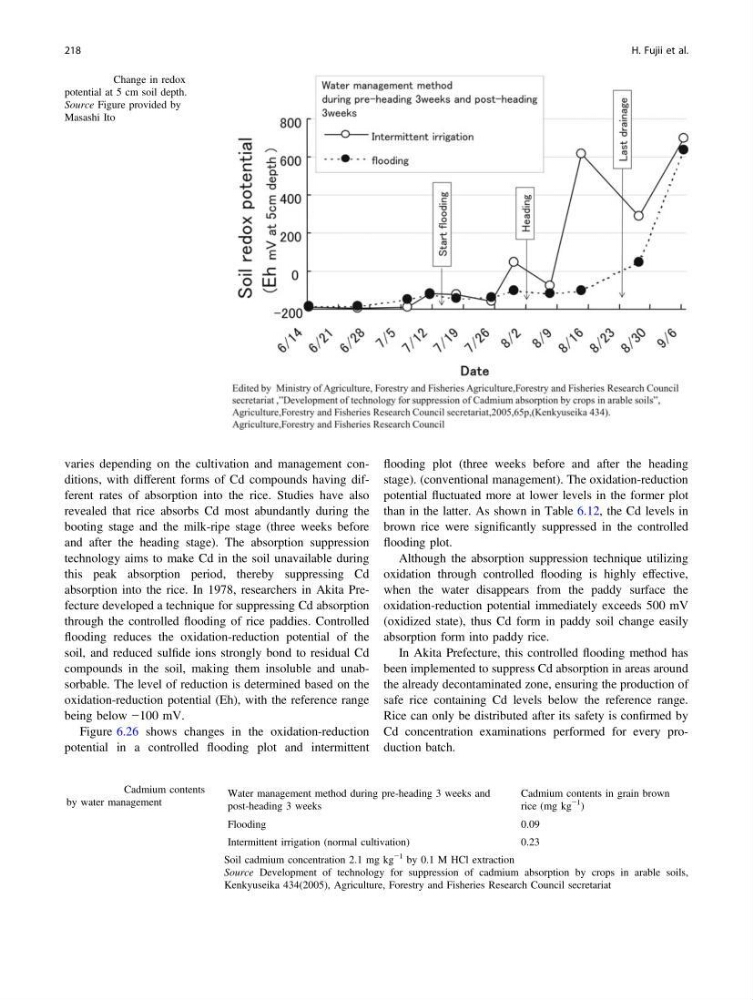
Figure 6.26 shows changes in the oxidation-reduction
potential in a controlled flooding plot and intermittent
flooding plot (three weeks before and after the heading
stage). (conventional management). The oxidation-reduction
potential fluctuated more at lower levels in the former plot
than in the latter. As shown in Table 6.12, the Cd levels in
brown rice were significantly suppressed in the controlled
flooding plot.
Although the absorption suppression technique utilizing
oxidation through controlled flooding is highly effective,
when the water disappears from the paddy surface the
oxidation-reduction potential immediately exceeds 500 mV
(oxidized state), thus Cd form in paddy soil change easily
absorption form into paddy rice.
In Akita Prefecture, this controlled flooding method has
been implemented to suppress Cd absorption in areas around
the already decontaminated zone, ensuring the production of
safe rice containing Cd levels below the reference range.
Rice can only be distributed after its safety is confirmed by
Cd concentration examinations performed for every production batch.
Fig. 6.26 Change in redox
potential at 5 cm soil depth.
Source Figure provided by
Masashi Ito
Table 6.12 Cadmium contents
by water management
Water management method during pre-heading 3 weeks and
post-heading 3 weeks
Cadmium contents in grain brown
rice (mg kg
−1
)
Flooding
0.09
Intermittent irrigation (normal cultivation)
0.23
Soil cadmium concentration 2.1 mg kg
−1 by 0.1 M HCl extraction
Source Development of technology for suppression of cadmium absorption by crops in arable soils,
Kenkyuseika 434(2005), Agriculture, Forestry and Fisheries Research Council secretariat
218
H. Fujii et al.
revealed that rice absorbs Cd most abundantly during the
booting stage and the milk-ripe stage (three weeks before
and after the heading stage). The absorption suppression
technology aims to make Cd in the soil unavailable during
this peak absorption period, thereby suppressing Cd
absorption into the rice. In 1978, researchers in Akita Prefecture developed a technique for suppressing Cd absorption
through the controlled flooding of rice paddies. Controlled
flooding reduces the oxidation-reduction potential of the
soil, and reduced sulfide ions strongly bond to residual Cd
compounds in the soil, making them insoluble and unabsorbable. The level of reduction is determined based on the
oxidation-reduction potential (Eh), with the reference range
being below −100 mV.
Figure 6.26 shows changes in the oxidation-reduction
potential in a controlled flooding plot and intermittent
flooding plot (three weeks before and after the heading
stage). (conventional management). The oxidation-reduction
potential fluctuated more at lower levels in the former plot
than in the latter. As shown in Table 6.12, the Cd levels in
brown rice were significantly suppressed in the controlled
flooding plot.
Although the absorption suppression technique utilizing
oxidation through controlled flooding is highly effective,
when the water disappears from the paddy surface the
oxidation-reduction potential immediately exceeds 500 mV
(oxidized state), thus Cd form in paddy soil change easily
absorption form into paddy rice.
In Akita Prefecture, this controlled flooding method has
been implemented to suppress Cd absorption in areas around
the already decontaminated zone, ensuring the production of
safe rice containing Cd levels below the reference range.
Rice can only be distributed after its safety is confirmed by
Cd concentration examinations performed for every production batch.
Fig. 6.26 Change in redox
potential at 5 cm soil depth.
Source Figure provided by
Masashi Ito
Table 6.12 Cadmium contents
by water management
Water management method during pre-heading 3 weeks and
post-heading 3 weeks
Cadmium contents in grain brown
rice (mg kg
−1
)
Flooding
0.09
Intermittent irrigation (normal cultivation)
0.23
Soil cadmium concentration 2.1 mg kg
−1 by 0.1 M HCl extraction
Source Development of technology for suppression of cadmium absorption by crops in arable soils,
Kenkyuseika 434(2005), Agriculture, Forestry and Fisheries Research Council secretariat
218
H. Fujii et al.