

nitrogen, and the amount of nitrogen application at each
level is determined (Table 5.6).
In aged greenhouses, nitrate nitrogen may remain in the
subsoil ( ! 20 cm in depth) as well as in the plow layer (0–
20 cm). In this case, even if ordinary soil diagnosis is carried
out, the nitrogen nutrition of the crop becomes excessive,
and it becomes difficult to control the plant vigor and
internal quality of harvests. The root zones of deep-rooted
vegetables, such as tomato, reach a depth of about 60 cm by
the time of first additional fertilizer application, so nitrate
nitrogen present at a depth of 20–60 cm is used for crops in
addition to additional fertilizer nitrogen. By using subsoil
diagnosis, it is possible to reduce the amount of additional
fertilizer nitrogen used for tomato by evaluating the amount
of nitrate nitrogen at a depth of 20–60 cm (Hayashi et al.
2004). In spinach cultivation, since the roots reach a depth of
40 cm or more by the time of harvesting, it is possible to
lower the nitrate ion concentration of the plants by nitrogen
fertilization based on a soil nitrogen diagnosis at 0–40 cm in
depth (Hayashi and Nagao 2010).
Due to the development of diagnostic technology for
inorganic nitrogen in the plow layer and subsoil and proper
fertilization, the amount of residual nitrate nitrogen in
greenhouse soils is decreasing. Along with this, the necessity
of evaluating available nitrogen (autoclave-extractable nitrogen) in greenhouse soils is also increasing, and in some
crops autoclave-extractable nitrogen is also used as an
indicator of nitrogen fertility. In celery cultivation, nitrogen
fertilization corresponding to the amount of autoclaveextractable nitrogen and nitrate nitrogen is established. In the
greenhouse cultivation of mizuna and spinach, when the
level of soil autoclave-extractable nitrogen is 100 mg kg
−1
or more, and the amount of fertilizer can be further reduced
by 30 kg N ha
−1 from nitrogen fertilization corresponding to
soil nitrate nitrogen content. Techniques for nitrogen fertilization which take autoclave-extractable nitrogen into consideration for the cultivation of tomato and other crops are
presently being developed.
The application of organic matter, such as manure, is
important for improving and maintaining the chemical,
physical, and biological properties of soils. In Hokkaido, the
physical properties of greenhouse soils have been improved
by the successive application of 40 Mg ha
−1 of cattle manure per year, but no further improvement was observed if the
amount of applied cattle manure was increased. Also,
because excessive application of cattle manure may cause
groundwater pollution, the appropriate amount of cattle
manure compost application for greenhouse cultivation is set
at 40 Mg ha
−1 per year (Hayashi and Hikasa 2017).
In order to avoid the excess accumulation of soil nutrients
after manure application, it is necessary to reduce the amount
of fertilizer component contained in manure. Table 5.7 shows
the fertilizing effects of cattle manures in greenhouse soils. In
greenhouse cultivation, the degree to which the application of
nitrogen fertilizer can be reduced by manure application is
larger than it is in open cultivation. This is because the soil
temperature during the cultivation period is higher in greenhouse cultivation than in open cultivation, and the degradation of organic matter in the soil is also faster. The amount of
nitrogen fertilizer reduction per 1 Mg of cattle manure is set
as 2 kg for less than 4 years of successive application and as
3 kg for over 5 years of successive application. The nitrogen
in manure is released over several years. Therefore, when
compost is successively applied, nitrogen in the manure that
was applied in the past several years is released in addition to
the manure applied in the current year, and the reduction in
the application of nitrogen fertilizer is therefore larger than in
the case of single-year application.
Table 5.6 Nitrogen fertilization
based on soil diagnosis
(Greenhouse tomato)
Soil N fertility level
I
II (standard)
III
IV
V
Nitrate N (mg kg
−1
)
< 50
50 – 100
100 – 150
150 – 200
200<
N application rate (kg ha
−1
)
Basal
150
100
50
0
0
Additional (first)
40
40
40
0
0
Additional (second and after)
40
40
40
40
0
Source Hokkaido Government Agricultural Department (2015)
Note 1. Additional application time is the fruit development stage of each truss (excluding the two trusses
below the pinching position)
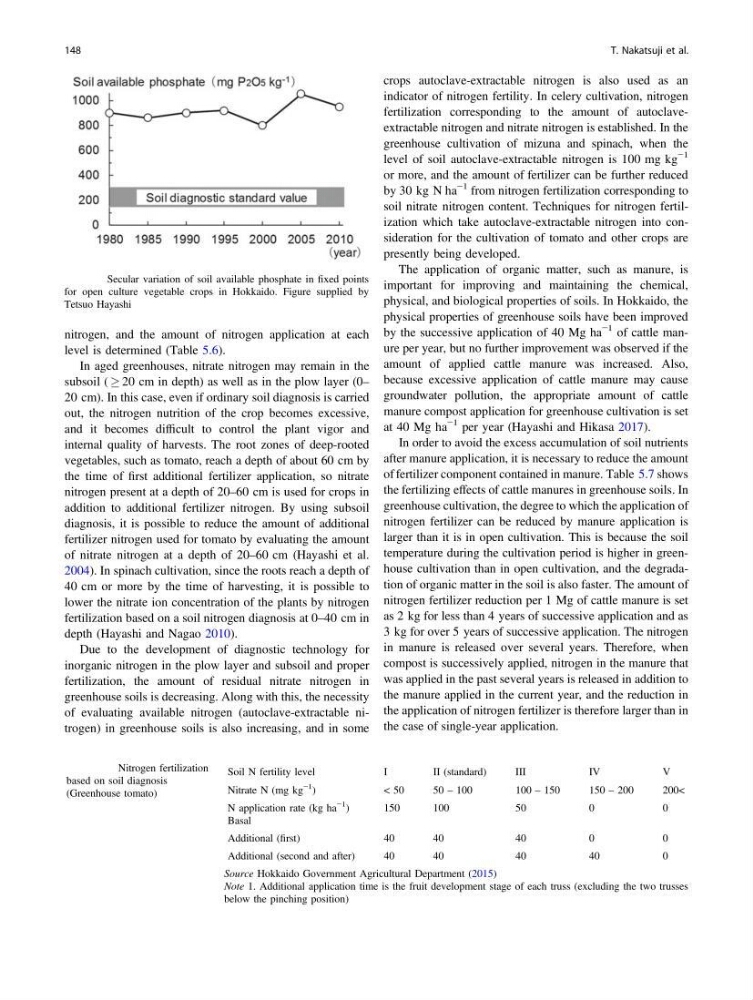
Fig. 5.5 Secular variation of soil available phosphate in fixed points
for open culture vegetable crops in Hokkaido. Figure supplied by
Tetsuo Hayashi
148
T. Nakatsuji et al.
level is determined (Table 5.6).
In aged greenhouses, nitrate nitrogen may remain in the
subsoil ( ! 20 cm in depth) as well as in the plow layer (0–
20 cm). In this case, even if ordinary soil diagnosis is carried
out, the nitrogen nutrition of the crop becomes excessive,
and it becomes difficult to control the plant vigor and
internal quality of harvests. The root zones of deep-rooted
vegetables, such as tomato, reach a depth of about 60 cm by
the time of first additional fertilizer application, so nitrate
nitrogen present at a depth of 20–60 cm is used for crops in
addition to additional fertilizer nitrogen. By using subsoil
diagnosis, it is possible to reduce the amount of additional
fertilizer nitrogen used for tomato by evaluating the amount
of nitrate nitrogen at a depth of 20–60 cm (Hayashi et al.
2004). In spinach cultivation, since the roots reach a depth of
40 cm or more by the time of harvesting, it is possible to
lower the nitrate ion concentration of the plants by nitrogen
fertilization based on a soil nitrogen diagnosis at 0–40 cm in
depth (Hayashi and Nagao 2010).
Due to the development of diagnostic technology for
inorganic nitrogen in the plow layer and subsoil and proper
fertilization, the amount of residual nitrate nitrogen in
greenhouse soils is decreasing. Along with this, the necessity
of evaluating available nitrogen (autoclave-extractable nitrogen) in greenhouse soils is also increasing, and in some
crops autoclave-extractable nitrogen is also used as an
indicator of nitrogen fertility. In celery cultivation, nitrogen
fertilization corresponding to the amount of autoclaveextractable nitrogen and nitrate nitrogen is established. In the
greenhouse cultivation of mizuna and spinach, when the
level of soil autoclave-extractable nitrogen is 100 mg kg
−1
or more, and the amount of fertilizer can be further reduced
by 30 kg N ha
−1 from nitrogen fertilization corresponding to
soil nitrate nitrogen content. Techniques for nitrogen fertilization which take autoclave-extractable nitrogen into consideration for the cultivation of tomato and other crops are
presently being developed.
The application of organic matter, such as manure, is
important for improving and maintaining the chemical,
physical, and biological properties of soils. In Hokkaido, the
physical properties of greenhouse soils have been improved
by the successive application of 40 Mg ha
−1 of cattle manure per year, but no further improvement was observed if the
amount of applied cattle manure was increased. Also,
because excessive application of cattle manure may cause
groundwater pollution, the appropriate amount of cattle
manure compost application for greenhouse cultivation is set
at 40 Mg ha
−1 per year (Hayashi and Hikasa 2017).
In order to avoid the excess accumulation of soil nutrients
after manure application, it is necessary to reduce the amount
of fertilizer component contained in manure. Table 5.7 shows
the fertilizing effects of cattle manures in greenhouse soils. In
greenhouse cultivation, the degree to which the application of
nitrogen fertilizer can be reduced by manure application is
larger than it is in open cultivation. This is because the soil
temperature during the cultivation period is higher in greenhouse cultivation than in open cultivation, and the degradation of organic matter in the soil is also faster. The amount of
nitrogen fertilizer reduction per 1 Mg of cattle manure is set
as 2 kg for less than 4 years of successive application and as
3 kg for over 5 years of successive application. The nitrogen
in manure is released over several years. Therefore, when
compost is successively applied, nitrogen in the manure that
was applied in the past several years is released in addition to
the manure applied in the current year, and the reduction in
the application of nitrogen fertilizer is therefore larger than in
the case of single-year application.
Table 5.6 Nitrogen fertilization
based on soil diagnosis
(Greenhouse tomato)
Soil N fertility level
I
II (standard)
III
IV
V
Nitrate N (mg kg
−1
)
< 50
50 – 100
100 – 150
150 – 200
200<
N application rate (kg ha
−1
)
Basal
150
100
50
0
0
Additional (first)
40
40
40
0
0
Additional (second and after)
40
40
40
40
0
Source Hokkaido Government Agricultural Department (2015)
Note 1. Additional application time is the fruit development stage of each truss (excluding the two trusses
below the pinching position)
Fig. 5.5 Secular variation of soil available phosphate in fixed points
for open culture vegetable crops in Hokkaido. Figure supplied by
Tetsuo Hayashi
148
T. Nakatsuji et al.