

246
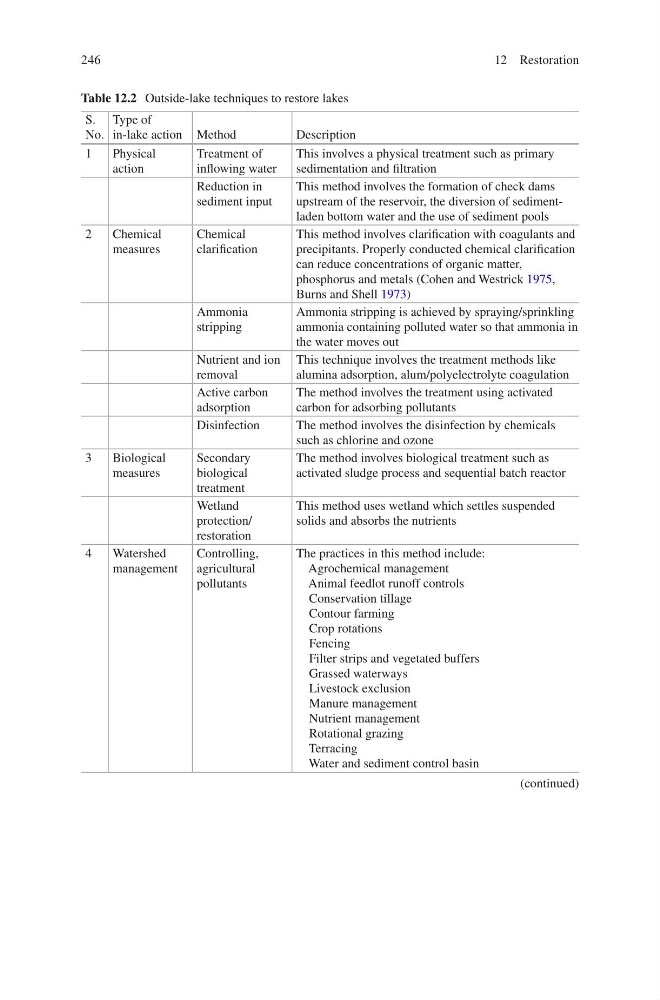
Table 12.2 Outside-lake techniques to restore lakes
S.
No.
Type of
in-lake action Method
Description
1
Physical
action
Treatment of
inflowing water
This involves a physical treatment such as primary
sedimentation and filtration
Reduction in
sediment input
This method involves the formation of check dams
upstream of the reservoir, the diversion of sedimentladen bottom water and the use of sediment pools
2
Chemical
measures
Chemical
clarification
This method involves clarification with coagulants and
precipitants. Properly conducted chemical clarification
can reduce concentrations of organic matter,
phosphorus and metals (Cohen and Westrick 1975,
Burns and Shell 1973)
Ammonia
stripping
Ammonia stripping is achieved by spraying/sprinkling
ammonia containing polluted water so that ammonia in
the water moves out
Nutrient and ion
removal
This technique involves the treatment methods like
alumina adsorption, alum/polyelectrolyte coagulation
Active carbon
adsorption
The method involves the treatment using activated
carbon for adsorbing pollutants
Disinfection
The method involves the disinfection by chemicals
such as chlorine and ozone
3
Biological
measures
Secondary
biological
treatment
The method involves biological treatment such as
activated sludge process and sequential batch reactor
Wetland
protection/
restoration
This method uses wetland which settles suspended
solids and absorbs the nutrients
4
Watershed
management
Controlling,
agricultural
pollutants
The practices in this method include:
Agrochemical management
Animal feedlot runoff controls
Conservation tillage
Contour farming
Crop rotations
Fencing
Filter strips and vegetated buffers
Grassed waterways
Livestock exclusion
Manure management
Nutrient management
Rotational grazing
Terracing
Water and sediment control basin
(continued)
12 Restoration
Table 12.2 Outside-lake techniques to restore lakes
S.
No.
Type of
in-lake action Method
Description
1
Physical
action
Treatment of
inflowing water
This involves a physical treatment such as primary
sedimentation and filtration
Reduction in
sediment input
This method involves the formation of check dams
upstream of the reservoir, the diversion of sedimentladen bottom water and the use of sediment pools
2
Chemical
measures
Chemical
clarification
This method involves clarification with coagulants and
precipitants. Properly conducted chemical clarification
can reduce concentrations of organic matter,
phosphorus and metals (Cohen and Westrick 1975,
Burns and Shell 1973)
Ammonia
stripping
Ammonia stripping is achieved by spraying/sprinkling
ammonia containing polluted water so that ammonia in
the water moves out
Nutrient and ion
removal
This technique involves the treatment methods like
alumina adsorption, alum/polyelectrolyte coagulation
Active carbon
adsorption
The method involves the treatment using activated
carbon for adsorbing pollutants
Disinfection
The method involves the disinfection by chemicals
such as chlorine and ozone
3
Biological
measures
Secondary
biological
treatment
The method involves biological treatment such as
activated sludge process and sequential batch reactor
Wetland
protection/
restoration
This method uses wetland which settles suspended
solids and absorbs the nutrients
4
Watershed
management
Controlling,
agricultural
pollutants
The practices in this method include:
Agrochemical management
Animal feedlot runoff controls
Conservation tillage
Contour farming
Crop rotations
Fencing
Filter strips and vegetated buffers
Grassed waterways
Livestock exclusion
Manure management
Nutrient management
Rotational grazing
Terracing
Water and sediment control basin
(continued)
12 Restoration