

20
A. Triyanti et al.
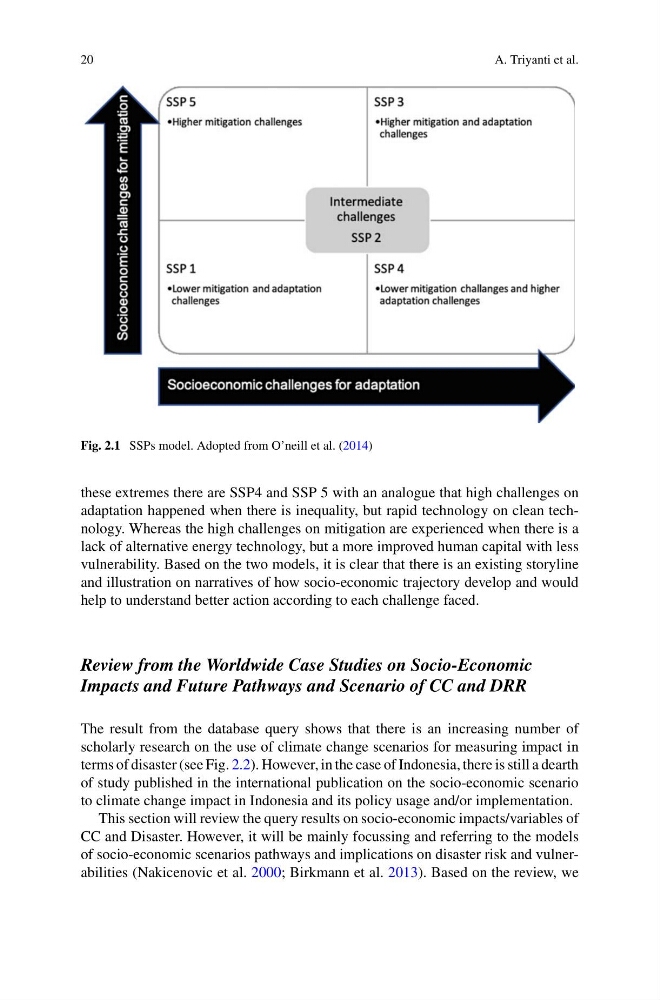
Fig. 2.1 SSPs model. Adopted from O’neill et al. (2014)
these extremes there are SSP4 and SSP 5 with an analogue that high challenges on
adaptation happened when there is inequality, but rapid technology on clean technology. Whereas the high challenges on mitigation are experienced when there is a
lack of alternative energy technology, but a more improved human capital with less
vulnerability. Based on the two models, it is clear that there is an existing storyline
and illustration on narratives of how socio-economic trajectory develop and would
help to understand better action according to each challenge faced.
Review from the Worldwide Case Studies on Socio-Economic
Impacts and Future Pathways and Scenario of CC and DRR
The result from the database query shows that there is an increasing number of
scholarly research on the use of climate change scenarios for measuring impact in
terms of disaster (see Fig. 2.2). However, in the case of Indonesia, there is still a dearth
of study published in the international publication on the socio-economic scenario
to climate change impact in Indonesia and its policy usage and/or implementation.
This section will review the query results on socio-economic impacts/variables of
CC and Disaster. However, it will be mainly focussing and referring to the models
of socio-economic scenarios pathways and implications on disaster risk and vulnerabilities (Nakicenovic et al. 2000; Birkmann et al. 2013). Based on the review, we
A. Triyanti et al.
Fig. 2.1 SSPs model. Adopted from O’neill et al. (2014)
these extremes there are SSP4 and SSP 5 with an analogue that high challenges on
adaptation happened when there is inequality, but rapid technology on clean technology. Whereas the high challenges on mitigation are experienced when there is a
lack of alternative energy technology, but a more improved human capital with less
vulnerability. Based on the two models, it is clear that there is an existing storyline
and illustration on narratives of how socio-economic trajectory develop and would
help to understand better action according to each challenge faced.
Review from the Worldwide Case Studies on Socio-Economic
Impacts and Future Pathways and Scenario of CC and DRR
The result from the database query shows that there is an increasing number of
scholarly research on the use of climate change scenarios for measuring impact in
terms of disaster (see Fig. 2.2). However, in the case of Indonesia, there is still a dearth
of study published in the international publication on the socio-economic scenario
to climate change impact in Indonesia and its policy usage and/or implementation.
This section will review the query results on socio-economic impacts/variables of
CC and Disaster. However, it will be mainly focussing and referring to the models
of socio-economic scenarios pathways and implications on disaster risk and vulnerabilities (Nakicenovic et al. 2000; Birkmann et al. 2013). Based on the review, we