

144
H. Warsilah
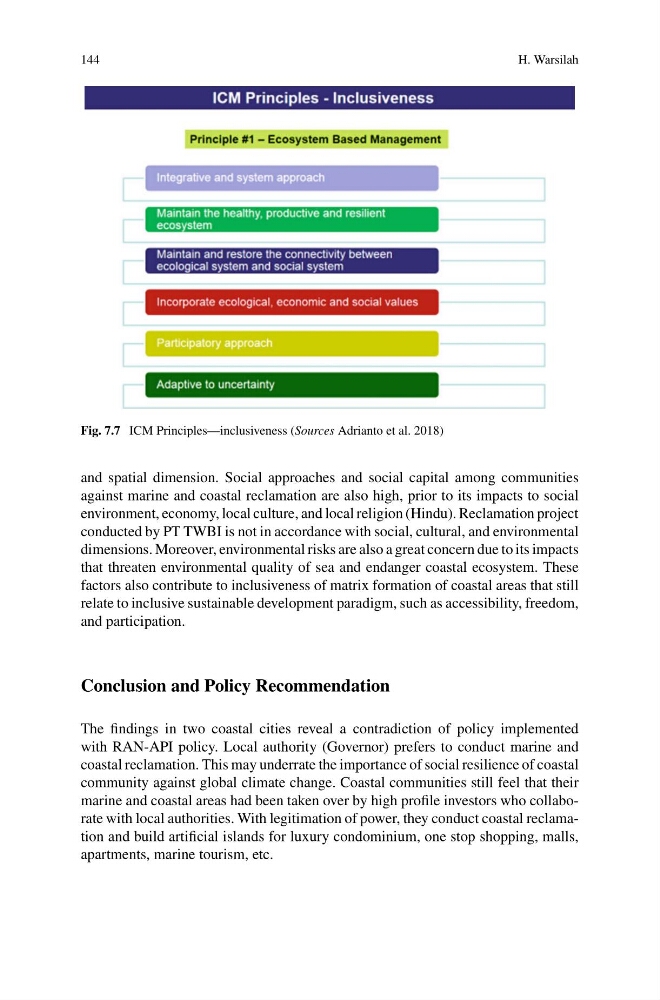
Fig. 7.7 ICM Principles—inclusiveness (Sources Adrianto et al. 2018)
and spatial dimension. Social approaches and social capital among communities
against marine and coastal reclamation are also high, prior to its impacts to social
environment, economy, local culture, and local religion (Hindu). Reclamation project
conducted by PT TWBI is not in accordance with social, cultural, and environmental
dimensions. Moreover, environmental risks are also a great concern due to its impacts
that threaten environmental quality of sea and endanger coastal ecosystem. These
factors also contribute to inclusiveness of matrix formation of coastal areas that still
relate to inclusive sustainable development paradigm, such as accessibility, freedom,
and participation.
Conclusion and Policy Recommendation
The findings in two coastal cities reveal a contradiction of policy implemented
with RAN-API policy. Local authority (Governor) prefers to conduct marine and
coastal reclamation. This may underrate the importance of social resilience of coastal
community against global climate change. Coastal communities still feel that their
marine and coastal areas had been taken over by high profile investors who collaborate with local authorities. With legitimation of power, they conduct coastal reclamation and build artificial islands for luxury condominium, one stop shopping, malls,
apartments, marine tourism, etc.
H. Warsilah
Fig. 7.7 ICM Principles—inclusiveness (Sources Adrianto et al. 2018)
and spatial dimension. Social approaches and social capital among communities
against marine and coastal reclamation are also high, prior to its impacts to social
environment, economy, local culture, and local religion (Hindu). Reclamation project
conducted by PT TWBI is not in accordance with social, cultural, and environmental
dimensions. Moreover, environmental risks are also a great concern due to its impacts
that threaten environmental quality of sea and endanger coastal ecosystem. These
factors also contribute to inclusiveness of matrix formation of coastal areas that still
relate to inclusive sustainable development paradigm, such as accessibility, freedom,
and participation.
Conclusion and Policy Recommendation
The findings in two coastal cities reveal a contradiction of policy implemented
with RAN-API policy. Local authority (Governor) prefers to conduct marine and
coastal reclamation. This may underrate the importance of social resilience of coastal
community against global climate change. Coastal communities still feel that their
marine and coastal areas had been taken over by high profile investors who collaborate with local authorities. With legitimation of power, they conduct coastal reclamation and build artificial islands for luxury condominium, one stop shopping, malls,
apartments, marine tourism, etc.