

companies. For example, sensors on drills are
collecting masses of high-quality real-time geological data that allow for more cost-effective
extraction. Smart grids can better coordinate
decentralised variable generation and minimise
curtailment rates—this makes renewables more
productive and reduces the need for fossil fuel
peaking plants to balance the energy system. And
reductions in carbon capture and storage
(CCS) costs could make the large-scale use of
gas in power and industry low carbon (Fig. 7).
(4) Initial responses
Oil and gas companies have started to adjust their
strategies, shifting towards smaller-sized projects
and investing in renewables. Structurally lower
prices and technology disruption have already
begun to appear and affect the oil and gas
industry, driving initial responses. Some major
companies have begun to integrate renewables
into their portfolio to gain presence in a market
that is rapidly growing, thanks to widespread
policy incentives and improving renewable
technologies—both Equinor and Total have
made recent renewable energy investments.
There has also been a shift away from the historical focus on megaprojects, as shown in
Fig. 8. Investment in smaller fields has been
consistently higher since 2009 and is expected to
continue into the near future as flexible shale
projects and lower extraction costs become
increasingly prominent in a future of lower
prices.
These changes in strategy have also led to
organisational adjustments—this has been
prominent as companies have implemented more
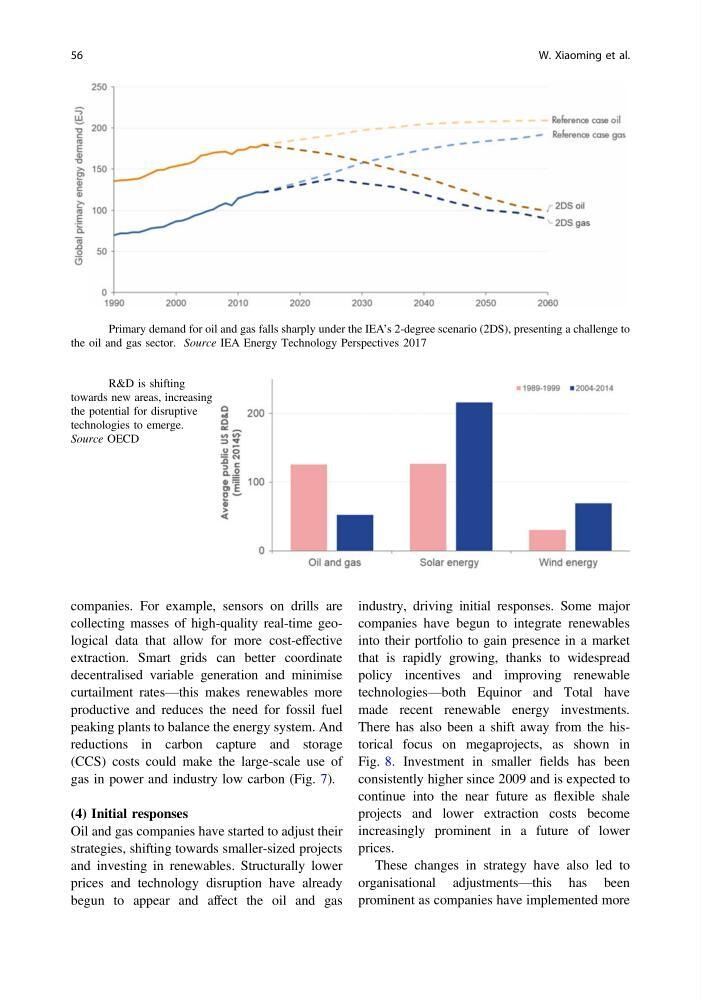
Fig. 6 Primary demand for oil and gas falls sharply under the IEA’s 2-degree scenario (2DS), presenting a challenge to
the oil and gas sector. Source IEA Energy Technology Perspectives 2017
Fig. 7 R&D is shifting
towards new areas, increasing
the potential for disruptive
technologies to emerge.
Source OECD
56
W. Xiaoming et al.
collecting masses of high-quality real-time geological data that allow for more cost-effective
extraction. Smart grids can better coordinate
decentralised variable generation and minimise
curtailment rates—this makes renewables more
productive and reduces the need for fossil fuel
peaking plants to balance the energy system. And
reductions in carbon capture and storage
(CCS) costs could make the large-scale use of
gas in power and industry low carbon (Fig. 7).
(4) Initial responses
Oil and gas companies have started to adjust their
strategies, shifting towards smaller-sized projects
and investing in renewables. Structurally lower
prices and technology disruption have already
begun to appear and affect the oil and gas
industry, driving initial responses. Some major
companies have begun to integrate renewables
into their portfolio to gain presence in a market
that is rapidly growing, thanks to widespread
policy incentives and improving renewable
technologies—both Equinor and Total have
made recent renewable energy investments.
There has also been a shift away from the historical focus on megaprojects, as shown in
Fig. 8. Investment in smaller fields has been
consistently higher since 2009 and is expected to
continue into the near future as flexible shale
projects and lower extraction costs become
increasingly prominent in a future of lower
prices.
These changes in strategy have also led to
organisational adjustments—this has been
prominent as companies have implemented more
Fig. 6 Primary demand for oil and gas falls sharply under the IEA’s 2-degree scenario (2DS), presenting a challenge to
the oil and gas sector. Source IEA Energy Technology Perspectives 2017
Fig. 7 R&D is shifting
towards new areas, increasing
the potential for disruptive
technologies to emerge.
Source OECD
56
W. Xiaoming et al.