

The low-carbon transition will reduce demand
for fossil fuels in favour of low-carbon alternatives over time. Decarbonisation has been an
increasingly important priority in energy in
recent years and now has widespread support, as
demonstrated by the signing of the Paris Agreement in 2015. As a result, policies are in place
globally to phase out fossil fuels and promote
low-carbon energy sources. Figure 6 shows
potential pathways for primary oil and gas
demand in two EIA scenarios: a reference scenario that reflects the world’s announced decarbonisation policies and a 2-degree scenario
(2DS), which assumes additional policies to limit
global warming to 2°C. In the reference scenario,
demand for oil and gas rises, but if additional
policies are put in place to limit global warming
to 2°C as intended, then demand for both oil and
gas is expected to fall sharply in the future. This
reduction in oil and gas demand due to decarbonisation will likely reduce prices, and so contribute to structurally lower prices.
In a future of structurally lower prices, the
decision of whether to divest or diversify into
new areas will gain greater importance. Oil and
gas companies face the risk of lower margins in
their main areas of operation. As a result, there
may be value in pursuing strategies such as
divesting or diversifying to attempt to maintain
profits in the future. The potential strategy
options and the factors that induce different types
of responses are discussed in Sect. 2.1.3.
(3) Disruptive technologies
Disruptive technologies are shifting the sources of
value in energy markets, driven by digitalisation
and decarbonisation. Digitalisation is the automatic collection of large quantities of data and the
application of computing power to the data to
enable better decision-making. Its use in other
(non-energy) sectors has driven rapid advances.
Collecting big data with remote sensors is already
prevalent in the oil and gas industry, and there is
enormous potential for digitalisation in other areas
of the energy system through smart technology
that enables dynamic, autonomous energy systems. Decarbonisation policies have increased
R&D spending (01.2.7) and raised market
expectations about the long-term value of new
innovation across various parts of the energy
system. This has resulted in major advances,
including those related to power generation (like
wind and solar), oil and gas exploitation (floating
liquefied natural gas and advanced seismic analysis for oil and gas exploration), and energy
demand (electric vehicles and smart homes with
demand-side response).
This has created opportunities and risks for
the oil and gas sector. The impact of these
technologies, whether marginal or revolutionary,
will have repercussions on oil and gas
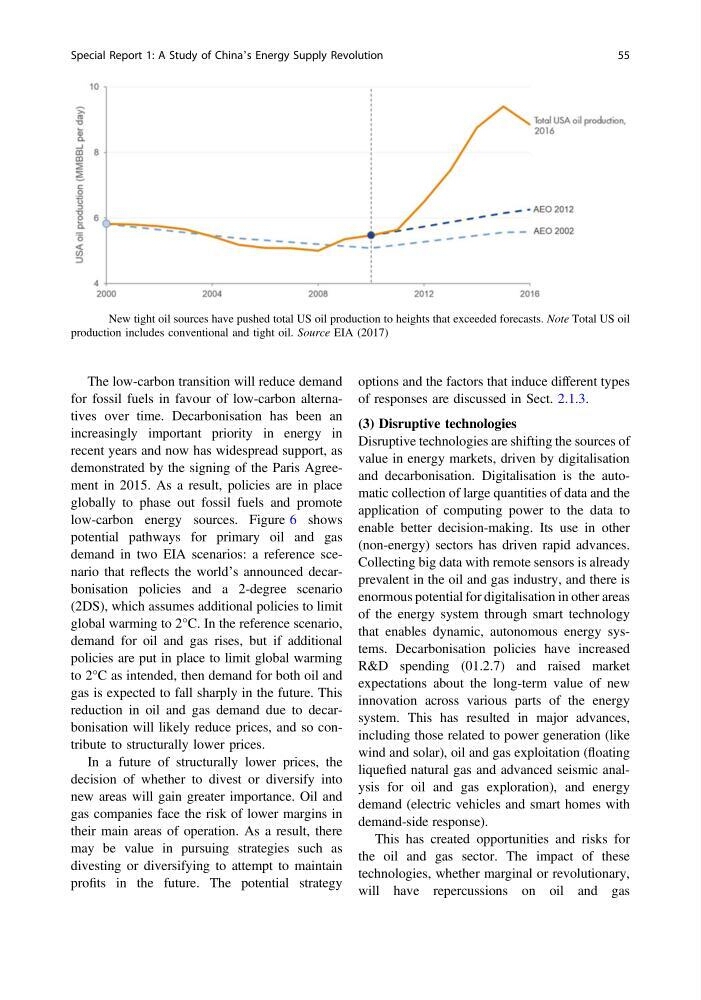
Fig. 5 New tight oil sources have pushed total US oil production to heights that exceeded forecasts. Note Total US oil
production includes conventional and tight oil. Source EIA (2017)
Special Report 1: A Study of China’s Energy Supply Revolution
55
for fossil fuels in favour of low-carbon alternatives over time. Decarbonisation has been an
increasingly important priority in energy in
recent years and now has widespread support, as
demonstrated by the signing of the Paris Agreement in 2015. As a result, policies are in place
globally to phase out fossil fuels and promote
low-carbon energy sources. Figure 6 shows
potential pathways for primary oil and gas
demand in two EIA scenarios: a reference scenario that reflects the world’s announced decarbonisation policies and a 2-degree scenario
(2DS), which assumes additional policies to limit
global warming to 2°C. In the reference scenario,
demand for oil and gas rises, but if additional
policies are put in place to limit global warming
to 2°C as intended, then demand for both oil and
gas is expected to fall sharply in the future. This
reduction in oil and gas demand due to decarbonisation will likely reduce prices, and so contribute to structurally lower prices.
In a future of structurally lower prices, the
decision of whether to divest or diversify into
new areas will gain greater importance. Oil and
gas companies face the risk of lower margins in
their main areas of operation. As a result, there
may be value in pursuing strategies such as
divesting or diversifying to attempt to maintain
profits in the future. The potential strategy
options and the factors that induce different types
of responses are discussed in Sect. 2.1.3.
(3) Disruptive technologies
Disruptive technologies are shifting the sources of
value in energy markets, driven by digitalisation
and decarbonisation. Digitalisation is the automatic collection of large quantities of data and the
application of computing power to the data to
enable better decision-making. Its use in other
(non-energy) sectors has driven rapid advances.
Collecting big data with remote sensors is already
prevalent in the oil and gas industry, and there is
enormous potential for digitalisation in other areas
of the energy system through smart technology
that enables dynamic, autonomous energy systems. Decarbonisation policies have increased
R&D spending (01.2.7) and raised market
expectations about the long-term value of new
innovation across various parts of the energy
system. This has resulted in major advances,
including those related to power generation (like
wind and solar), oil and gas exploitation (floating
liquefied natural gas and advanced seismic analysis for oil and gas exploration), and energy
demand (electric vehicles and smart homes with
demand-side response).
This has created opportunities and risks for
the oil and gas sector. The impact of these
technologies, whether marginal or revolutionary,
will have repercussions on oil and gas
Fig. 5 New tight oil sources have pushed total US oil production to heights that exceeded forecasts. Note Total US oil
production includes conventional and tight oil. Source EIA (2017)
Special Report 1: A Study of China’s Energy Supply Revolution
55