

economic activity and in different sectors and
sources of emissions facing equivalent price
signals; and
• a greater international focus, with domestic
circumstances playing a progressively smaller
role in determining policy relative to the
broader global need to reduce greenhouse gas
emissions.
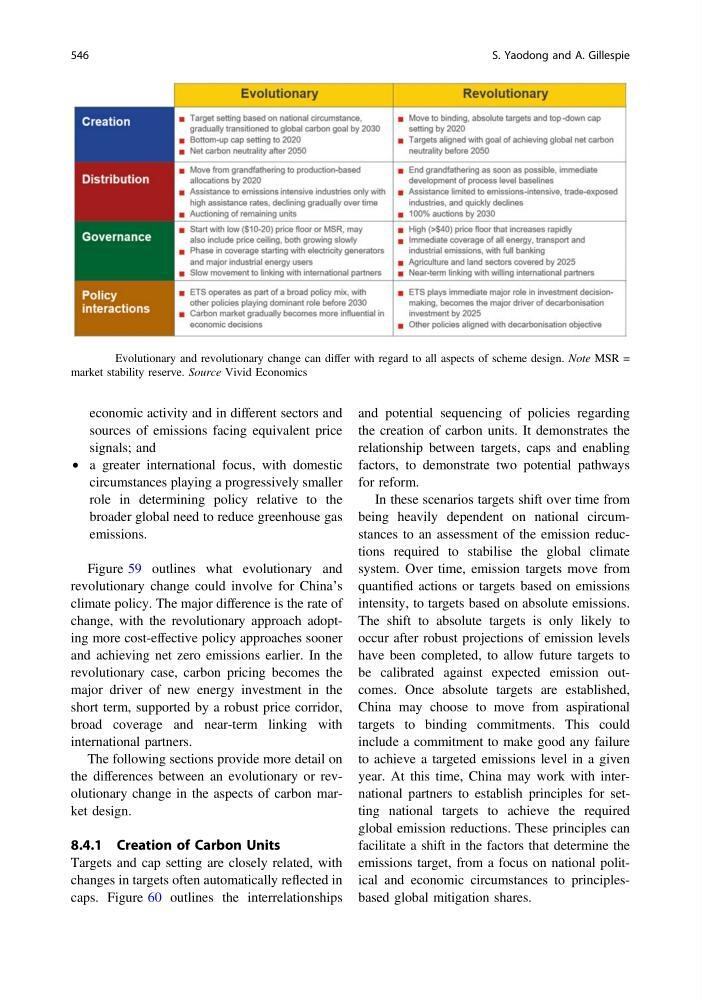
Figure 59 outlines what evolutionary and
revolutionary change could involve for China’s
climate policy. The major difference is the rate of
change, with the revolutionary approach adopting more cost-effective policy approaches sooner
and achieving net zero emissions earlier. In the
revolutionary case, carbon pricing becomes the
major driver of new energy investment in the
short term, supported by a robust price corridor,
broad coverage and near-term linking with
international partners.
The following sections provide more detail on
the differences between an evolutionary or revolutionary change in the aspects of carbon market design.
8.4.1 Creation of Carbon Units
Targets and cap setting are closely related, with
changes in targets often automatically reflected in
caps. Figure 60 outlines the interrelationships
and potential sequencing of policies regarding
the creation of carbon units. It demonstrates the
relationship between targets, caps and enabling
factors, to demonstrate two potential pathways
for reform.
In these scenarios targets shift over time from
being heavily dependent on national circumstances to an assessment of the emission reductions required to stabilise the global climate
system. Over time, emission targets move from
quantified actions or targets based on emissions
intensity, to targets based on absolute emissions.
The shift to absolute targets is only likely to
occur after robust projections of emission levels
have been completed, to allow future targets to
be calibrated against expected emission outcomes. Once absolute targets are established,
China may choose to move from aspirational
targets to binding commitments. This could
include a commitment to make good any failure
to achieve a targeted emissions level in a given
year. At this time, China may work with international partners to establish principles for setting national targets to achieve the required
global emission reductions. These principles can
facilitate a shift in the factors that determine the
emissions target, from a focus on national political and economic circumstances to principlesbased global mitigation shares.
Fig. 59 Evolutionary and revolutionary change can differ with regard to all aspects of scheme design. Note MSR =
market stability reserve. Source Vivid Economics
546
S. Yaodong and A. Gillespie
sources of emissions facing equivalent price
signals; and
• a greater international focus, with domestic
circumstances playing a progressively smaller
role in determining policy relative to the
broader global need to reduce greenhouse gas
emissions.
Figure 59 outlines what evolutionary and
revolutionary change could involve for China’s
climate policy. The major difference is the rate of
change, with the revolutionary approach adopting more cost-effective policy approaches sooner
and achieving net zero emissions earlier. In the
revolutionary case, carbon pricing becomes the
major driver of new energy investment in the
short term, supported by a robust price corridor,
broad coverage and near-term linking with
international partners.
The following sections provide more detail on
the differences between an evolutionary or revolutionary change in the aspects of carbon market design.
8.4.1 Creation of Carbon Units
Targets and cap setting are closely related, with
changes in targets often automatically reflected in
caps. Figure 60 outlines the interrelationships
and potential sequencing of policies regarding
the creation of carbon units. It demonstrates the
relationship between targets, caps and enabling
factors, to demonstrate two potential pathways
for reform.
In these scenarios targets shift over time from
being heavily dependent on national circumstances to an assessment of the emission reductions required to stabilise the global climate
system. Over time, emission targets move from
quantified actions or targets based on emissions
intensity, to targets based on absolute emissions.
The shift to absolute targets is only likely to
occur after robust projections of emission levels
have been completed, to allow future targets to
be calibrated against expected emission outcomes. Once absolute targets are established,
China may choose to move from aspirational
targets to binding commitments. This could
include a commitment to make good any failure
to achieve a targeted emissions level in a given
year. At this time, China may work with international partners to establish principles for setting national targets to achieve the required
global emission reductions. These principles can
facilitate a shift in the factors that determine the
emissions target, from a focus on national political and economic circumstances to principlesbased global mitigation shares.
Fig. 59 Evolutionary and revolutionary change can differ with regard to all aspects of scheme design. Note MSR =
market stability reserve. Source Vivid Economics
546
S. Yaodong and A. Gillespie