

The EU’s changing institutions and regulations have supported these market developments.
In phases 1 and 2 of the EU ETS, registries were
managed by member states, creating significant
duplication across jurisdictions. However, trade
in units was concentrated in just a few of these
registries, which were linked with active
exchange platforms—in particular, France,
which hosted the BlueNext exchange. Trading
was facilitated through open market access,
which enabled liable entities, financial institutions and other individuals and businesses to
hold emission units. Instances of fraud in spot
markets in 2008 and 2009 led to more stringent
regulation, with spot markets regulated as
financial products, whereas they were initially
regulated as commodities. These problems on the
spot market also accelerated the shift toward
futures contracts, which were regulated as
financial products from the outset.
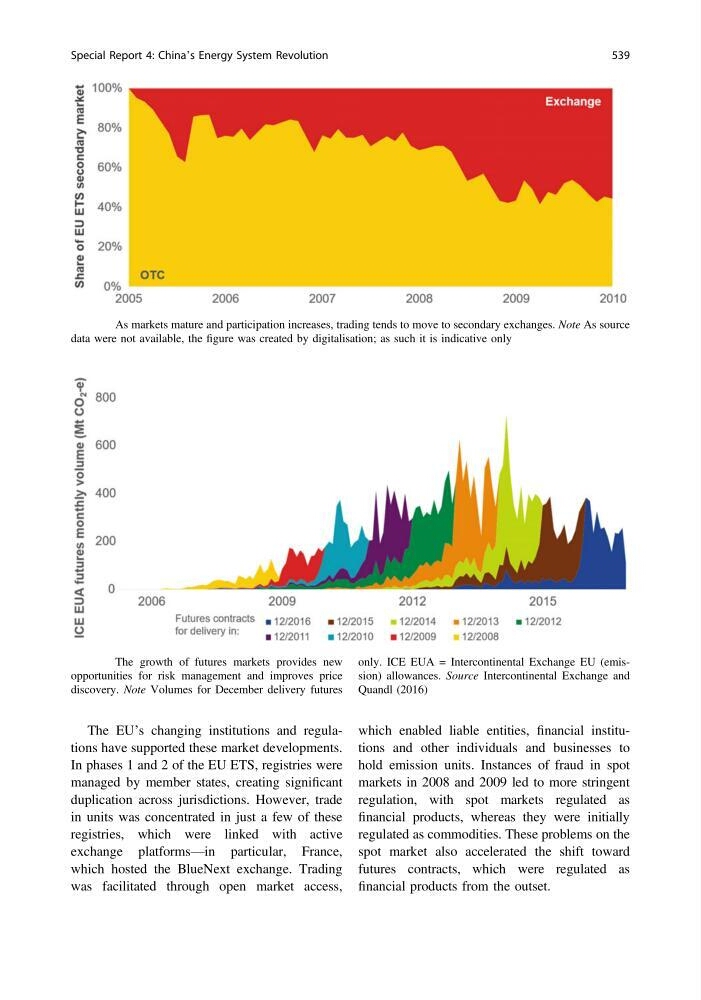
Fig. 49 The growth of futures markets provides new
opportunities for risk management and improves price
discovery. Note Volumes for December delivery futures
only. ICE EUA = Intercontinental Exchange EU (emission) allowances. Source Intercontinental Exchange and
Quandl (2016)
Fig. 48 As markets mature and participation increases, trading tends to move to secondary exchanges. Note As source
data were not available, the figure was created by digitalisation; as such it is indicative only
Special Report 4: China’s Energy System Revolution
539
In phases 1 and 2 of the EU ETS, registries were
managed by member states, creating significant
duplication across jurisdictions. However, trade
in units was concentrated in just a few of these
registries, which were linked with active
exchange platforms—in particular, France,
which hosted the BlueNext exchange. Trading
was facilitated through open market access,
which enabled liable entities, financial institutions and other individuals and businesses to
hold emission units. Instances of fraud in spot
markets in 2008 and 2009 led to more stringent
regulation, with spot markets regulated as
financial products, whereas they were initially
regulated as commodities. These problems on the
spot market also accelerated the shift toward
futures contracts, which were regulated as
financial products from the outset.
Fig. 49 The growth of futures markets provides new
opportunities for risk management and improves price
discovery. Note Volumes for December delivery futures
only. ICE EUA = Intercontinental Exchange EU (emission) allowances. Source Intercontinental Exchange and
Quandl (2016)
Fig. 48 As markets mature and participation increases, trading tends to move to secondary exchanges. Note As source
data were not available, the figure was created by digitalisation; as such it is indicative only
Special Report 4: China’s Energy System Revolution
539