

controls may deal with these issues to some
extent. However, this entails other complications;
for instance, it may require the development of
common auctioning platforms or agreeing to
methods to correct for exchange rate fluctuations.
(5) Secondary market development
Policy design can support the development of a
liquid and transparent secondary market, which
increases efficiency and improves price discovery. In particular, market design should seek to
support the development of institutions that
lower transaction costs and reduce the counterparty risks borne by participants engaging in the
market.
The market relies on central counterparties to
reduce delivery risks on contracts. Active trading
of emission units requires that market participants are confident that their counterparty will
deliver either units or payment, as agreed. In a
large market with many buyers and sellers,
assessing the financial risks associated with each
counterparty can be arduous. As such, markets
often rely on trusted central counterparties to
reduce these risks and facilitate trade. These
central counterparties ensure that all parties meet
minimum standards and will guarantee delivery
in the event of a default from either party. They
often support both over-the-counter (OTC) trading and exchange trading platforms.
Cost reductions are sought through movement
from trading in OTC markets to exchange-based
trading of standardised contracts. Exchangebased trading generally develops in markets
with large numbers of buyers and sellers, as the
aggregation of trades provides greater liquidity.
Over the course of phases 1 and 2 of the
EU ETS, the market gradually moved from OTC
trading to exchange-based trades. Exchangebased trading has several advantages, including
providing transparent signals on pricing and
reducing costs. The shift to exchange-based
trading in the EU ETS is illustrated in Fig. 48.
The growth of futures markets reflects the
desire to hedge risks and develop a longer-term
price signal for long-lived assets. Over phases 2
and 3 of the EU ETS, futures markets expanded
and have since consolidated, with liquid futures
markets operating several years in advance—this
is shown in Fig. 49. Nearly all trades in the
EU ETS secondary market are now futures contracts. The most commonly traded contracts are
within-year and December delivery futures,
while large markets also exist for December
delivery futures contracts running up to 2020.
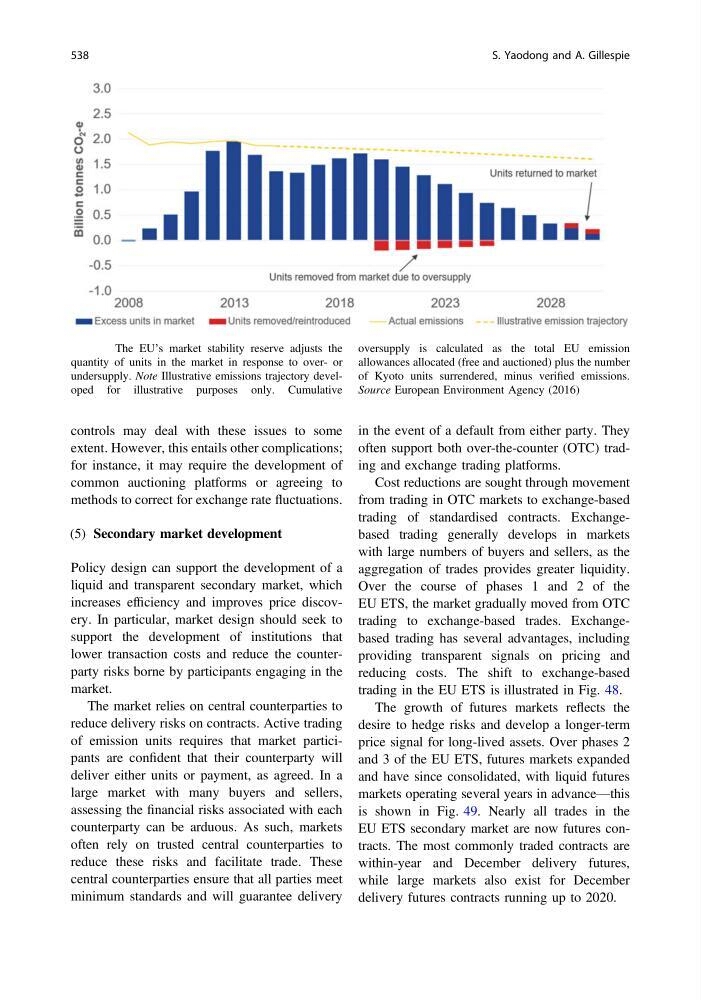
Fig. 47 The EU’s market stability reserve adjusts the
quantity of units in the market in response to over- or
undersupply. Note Illustrative emissions trajectory developed for illustrative purposes only. Cumulative
oversupply is calculated as the total EU emission
allowances allocated (free and auctioned) plus the number
of Kyoto units surrendered, minus verified emissions.
Source European Environment Agency (2016)
538
S. Yaodong and A. Gillespie
extent. However, this entails other complications;
for instance, it may require the development of
common auctioning platforms or agreeing to
methods to correct for exchange rate fluctuations.
(5) Secondary market development
Policy design can support the development of a
liquid and transparent secondary market, which
increases efficiency and improves price discovery. In particular, market design should seek to
support the development of institutions that
lower transaction costs and reduce the counterparty risks borne by participants engaging in the
market.
The market relies on central counterparties to
reduce delivery risks on contracts. Active trading
of emission units requires that market participants are confident that their counterparty will
deliver either units or payment, as agreed. In a
large market with many buyers and sellers,
assessing the financial risks associated with each
counterparty can be arduous. As such, markets
often rely on trusted central counterparties to
reduce these risks and facilitate trade. These
central counterparties ensure that all parties meet
minimum standards and will guarantee delivery
in the event of a default from either party. They
often support both over-the-counter (OTC) trading and exchange trading platforms.
Cost reductions are sought through movement
from trading in OTC markets to exchange-based
trading of standardised contracts. Exchangebased trading generally develops in markets
with large numbers of buyers and sellers, as the
aggregation of trades provides greater liquidity.
Over the course of phases 1 and 2 of the
EU ETS, the market gradually moved from OTC
trading to exchange-based trades. Exchangebased trading has several advantages, including
providing transparent signals on pricing and
reducing costs. The shift to exchange-based
trading in the EU ETS is illustrated in Fig. 48.
The growth of futures markets reflects the
desire to hedge risks and develop a longer-term
price signal for long-lived assets. Over phases 2
and 3 of the EU ETS, futures markets expanded
and have since consolidated, with liquid futures
markets operating several years in advance—this
is shown in Fig. 49. Nearly all trades in the
EU ETS secondary market are now futures contracts. The most commonly traded contracts are
within-year and December delivery futures,
while large markets also exist for December
delivery futures contracts running up to 2020.
Fig. 47 The EU’s market stability reserve adjusts the
quantity of units in the market in response to over- or
undersupply. Note Illustrative emissions trajectory developed for illustrative purposes only. Cumulative
oversupply is calculated as the total EU emission
allowances allocated (free and auctioned) plus the number
of Kyoto units surrendered, minus verified emissions.
Source European Environment Agency (2016)
538
S. Yaodong and A. Gillespie