

largest contributor to increased shale gas production. Global coal demand is forecast to drop
sharply to an average annual growth rate of only
0.5% in 2014–35. This is largely due to slowing
growth in coal demand and rebalancing of the
economy. Even so, China will remain the world’s
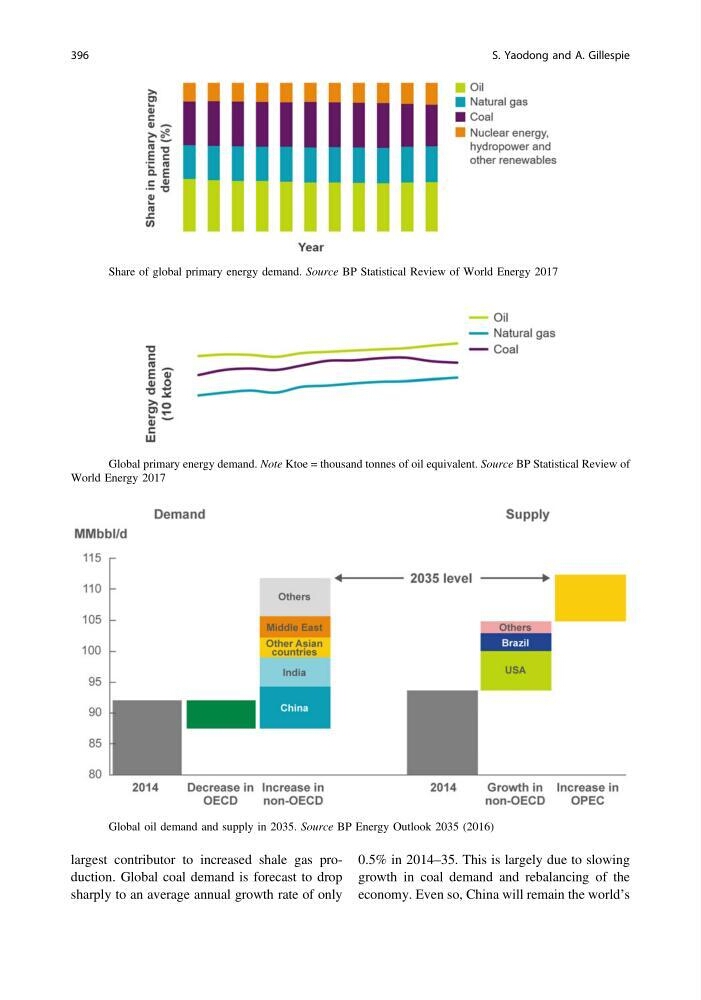
Fig. 3 Share of global primary energy demand. Source BP Statistical Review of World Energy 2017
Fig. 4 Global primary energy demand. Note Ktoe = thousand tonnes of oil equivalent. Source BP Statistical Review of
World Energy 2017
Fig. 5 Global oil demand and supply in 2035. Source BP Energy Outlook 2035 (2016)
396
S. Yaodong and A. Gillespie
sharply to an average annual growth rate of only
0.5% in 2014–35. This is largely due to slowing
growth in coal demand and rebalancing of the
economy. Even so, China will remain the world’s
Fig. 3 Share of global primary energy demand. Source BP Statistical Review of World Energy 2017
Fig. 4 Global primary energy demand. Note Ktoe = thousand tonnes of oil equivalent. Source BP Statistical Review of
World Energy 2017
Fig. 5 Global oil demand and supply in 2035. Source BP Energy Outlook 2035 (2016)
396
S. Yaodong and A. Gillespie