

(3) Characteristics of revolutionary energy
technologies
Analysis suggests that, in addition to a technology having supporting supply, demand and
market factors, the following characteristics of a
technology can influence its successful application. First, capital intensity. A technology with
high capital intensity, such as nuclear power,
requires a large-scale player to deploy it, whereas
a technology with low capital intensity, such as
biofuels or compressed natural gas (CNG) vehicles, can be deployed by individuals. Second,
network intensity. A technology with high network intensity, such as offshore oil and gas,
requires significant investment in a network, in
addition to the capital of the initial technology,
which is often delivered by players other than the
technology developer. A technology with low
network intensity, such as power generation
technologies, can plug and play into an existing
network.
In international experience, technologies with
high capital intensity and low network intensity,
have played a major role in energy revolutions.
These technologies are often deployed to meet
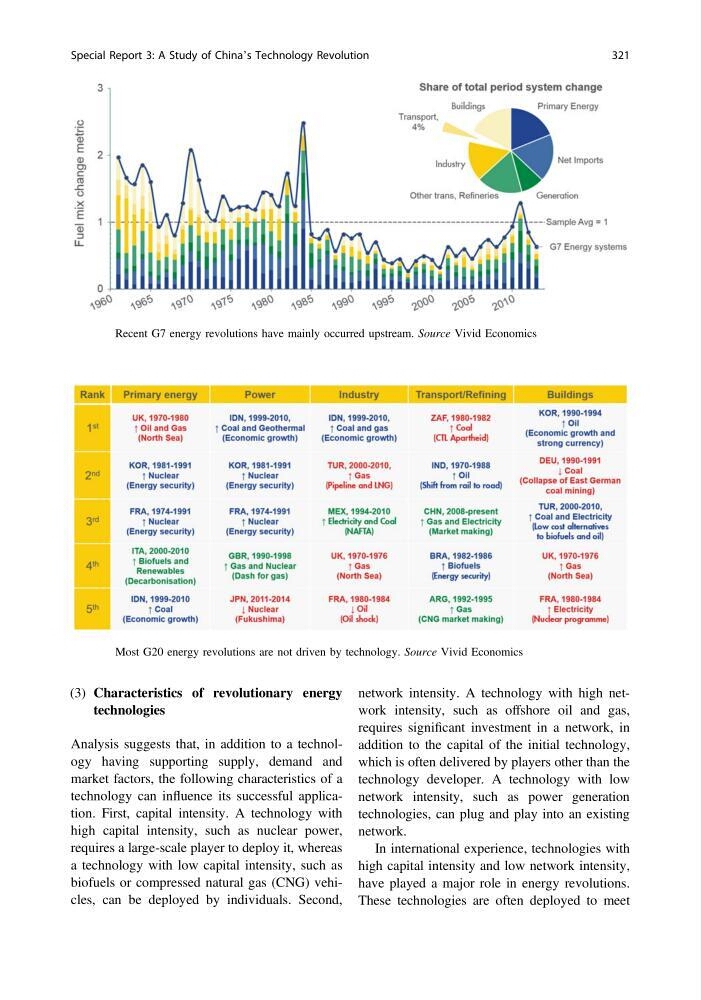
Fig. 24 Recent G7 energy revolutions have mainly occurred upstream. Source Vivid Economics
Fig. 25 Most G20 energy revolutions are not driven by technology. Source Vivid Economics
Special Report 3: A Study of China’s Technology Revolution
321
technologies
Analysis suggests that, in addition to a technology having supporting supply, demand and
market factors, the following characteristics of a
technology can influence its successful application. First, capital intensity. A technology with
high capital intensity, such as nuclear power,
requires a large-scale player to deploy it, whereas
a technology with low capital intensity, such as
biofuels or compressed natural gas (CNG) vehicles, can be deployed by individuals. Second,
network intensity. A technology with high network intensity, such as offshore oil and gas,
requires significant investment in a network, in
addition to the capital of the initial technology,
which is often delivered by players other than the
technology developer. A technology with low
network intensity, such as power generation
technologies, can plug and play into an existing
network.
In international experience, technologies with
high capital intensity and low network intensity,
have played a major role in energy revolutions.
These technologies are often deployed to meet
Fig. 24 Recent G7 energy revolutions have mainly occurred upstream. Source Vivid Economics
Fig. 25 Most G20 energy revolutions are not driven by technology. Source Vivid Economics
Special Report 3: A Study of China’s Technology Revolution
321