

before 1985, changes in fuel mix for buildings and
industry contributed to a significant proportion of
the overall change metric. However, in the decades since 1985, change has largely been driven
by shifts in production and imports. Transport has
remained oil-dominated throughout the period.
This suggests that downstream fuel mixes are
locked in by their distribution networks, which is a
challenge for the future, given that fuels currently
used in energy use—such as oil for transport, coal
in industrial processes and gas for heating—will
have to change if climate mitigation targets are to
be met (Fig. 24).
Across the largest G20 energy revolutions,
most are triggered by economic growth, energy
security concerns, new market incentives or
shocks, rather than by technology. Revolutions
are colour-coded: red for a supply-triggered
revolution; blue for a demand-triggered revolution; green for a market-triggered revolution; and
purple for a technology-triggered revolution, of
which there are none (Fig. 25).
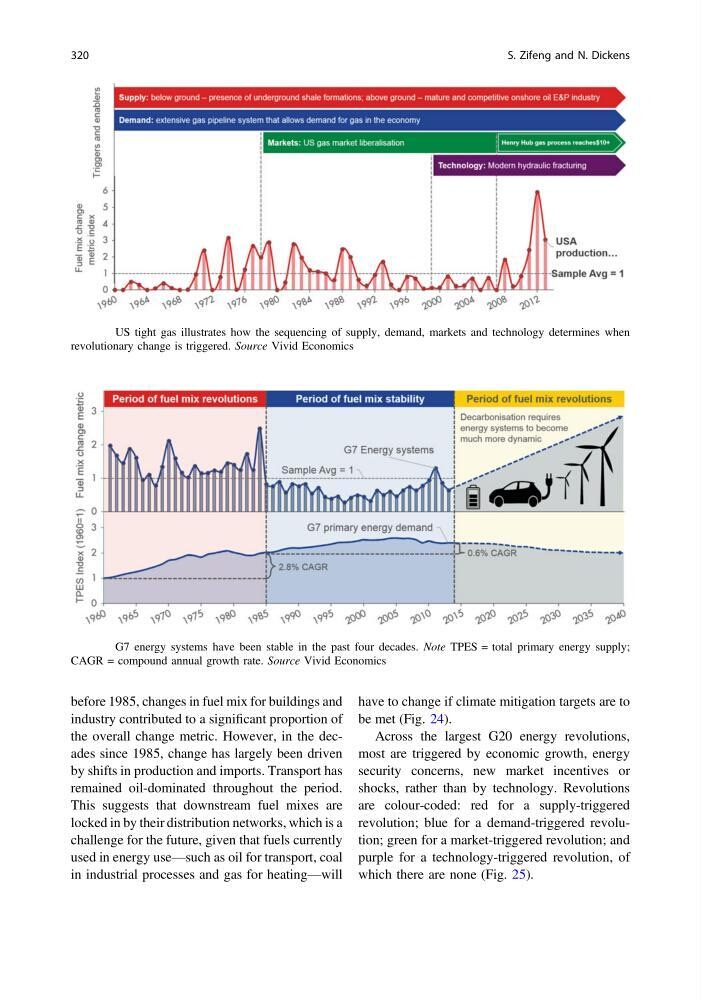
Fig. 22 US tight gas illustrates how the sequencing of supply, demand, markets and technology determines when
revolutionary change is triggered. Source Vivid Economics
Fig. 23 G7 energy systems have been stable in the past four decades. Note TPES = total primary energy supply;
CAGR = compound annual growth rate. Source Vivid Economics
320
S. Zifeng and N. Dickens
industry contributed to a significant proportion of
the overall change metric. However, in the decades since 1985, change has largely been driven
by shifts in production and imports. Transport has
remained oil-dominated throughout the period.
This suggests that downstream fuel mixes are
locked in by their distribution networks, which is a
challenge for the future, given that fuels currently
used in energy use—such as oil for transport, coal
in industrial processes and gas for heating—will
have to change if climate mitigation targets are to
be met (Fig. 24).
Across the largest G20 energy revolutions,
most are triggered by economic growth, energy
security concerns, new market incentives or
shocks, rather than by technology. Revolutions
are colour-coded: red for a supply-triggered
revolution; blue for a demand-triggered revolution; green for a market-triggered revolution; and
purple for a technology-triggered revolution, of
which there are none (Fig. 25).
Fig. 22 US tight gas illustrates how the sequencing of supply, demand, markets and technology determines when
revolutionary change is triggered. Source Vivid Economics
Fig. 23 G7 energy systems have been stable in the past four decades. Note TPES = total primary energy supply;
CAGR = compound annual growth rate. Source Vivid Economics
320
S. Zifeng and N. Dickens