

renewable power, and transport energy efficiency. For each technology we analysed the
profile of hype, R&D spend and, where possible,
deployment of the technology by country for
G20 countries. There are lags between innovation levels and deployment across countries, and
we analysed these lags to test when and where
innovation was followed rapidly by application.
Long lags suggest that other factors must be in
place to trigger deployment of a technology.
It needs to be noted that not all technologies
have suitable deployment data. For example,
technologies such as nuclear fusion have been
deployed only in small pilots. Other technologies, such as industrial energy efficiency, do not
have comprehensive datasets for deployment.
Some technologies are described as revolutionary
by industry commentators even though deployment levels are too low to change the energy
mix. For example, renewable power, such as
wind and solar, is often described as driving a
revolutionary change in the energy system, and
high growth rates in capacity support this characterisation. However, the share of renewable
power in the energy mix is very small, and
changes in the mix towards renewable power are
not yet on the same scale as the historical changes to gas or nuclear. Our view is that a revolution should be judged on its effect on the
energy mix. This perspective is at the heart of our
analysis, as we investigate which actions are
needed to transform commentary and hype that a
technology is revolutionary into a revolutionary
change of the energy system (Fig. 19).
We analyse major groups of technology.
A technology, such as nuclear, can include a
family of technology subclasses and generations.
For example, nuclear reactors can be Magnox
reactors, pressurised water reactors (PWRs),
boiling water reactors (BWRs), advanced
gas-cooled reactors (AGRs) or fast breeder
reactors (FBRs). Each of these reactor types is in
turn composed of a family of technologies.
Developments within major technology groups
can have a significant effect on deployment.
Figure 20 shows that deployment of nuclear
power lagged between countries, which was in
part due to the varying development paths of the
different technologies they employed. The UK
initially built its nuclear power plants with
Magnox reactors, the Japanese with BWRs and
PWRs, and the French with PWRs. So, the
subclasses of technologies can be important to
understanding deployment. However, this study
focuses on aggregated technology groups for two
reasons. First, from an energy revolution perspective, the technology subclass that succeeds is
not important, only that some succeed rapidly
and at scale. Second, while historical analysis
can provide many lessons for innovation at this
micro level, it adds greatly to complexity, and
suffers from survivor bias.
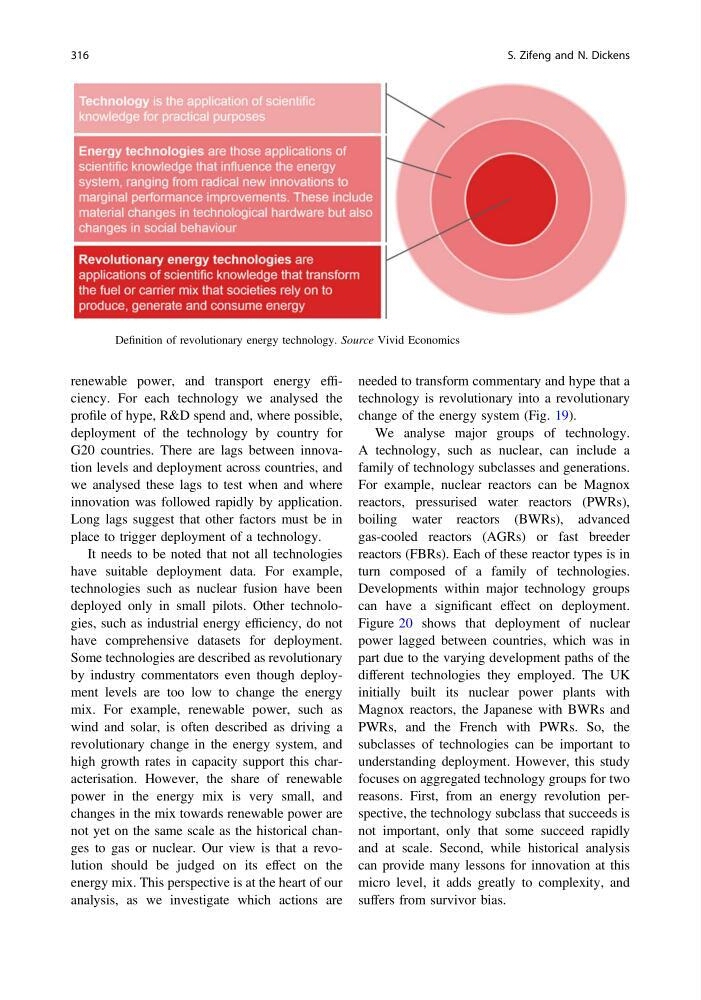
Fig. 18 Definition of revolutionary energy technology. Source Vivid Economics
316
S. Zifeng and N. Dickens
profile of hype, R&D spend and, where possible,
deployment of the technology by country for
G20 countries. There are lags between innovation levels and deployment across countries, and
we analysed these lags to test when and where
innovation was followed rapidly by application.
Long lags suggest that other factors must be in
place to trigger deployment of a technology.
It needs to be noted that not all technologies
have suitable deployment data. For example,
technologies such as nuclear fusion have been
deployed only in small pilots. Other technologies, such as industrial energy efficiency, do not
have comprehensive datasets for deployment.
Some technologies are described as revolutionary
by industry commentators even though deployment levels are too low to change the energy
mix. For example, renewable power, such as
wind and solar, is often described as driving a
revolutionary change in the energy system, and
high growth rates in capacity support this characterisation. However, the share of renewable
power in the energy mix is very small, and
changes in the mix towards renewable power are
not yet on the same scale as the historical changes to gas or nuclear. Our view is that a revolution should be judged on its effect on the
energy mix. This perspective is at the heart of our
analysis, as we investigate which actions are
needed to transform commentary and hype that a
technology is revolutionary into a revolutionary
change of the energy system (Fig. 19).
We analyse major groups of technology.
A technology, such as nuclear, can include a
family of technology subclasses and generations.
For example, nuclear reactors can be Magnox
reactors, pressurised water reactors (PWRs),
boiling water reactors (BWRs), advanced
gas-cooled reactors (AGRs) or fast breeder
reactors (FBRs). Each of these reactor types is in
turn composed of a family of technologies.
Developments within major technology groups
can have a significant effect on deployment.
Figure 20 shows that deployment of nuclear
power lagged between countries, which was in
part due to the varying development paths of the
different technologies they employed. The UK
initially built its nuclear power plants with
Magnox reactors, the Japanese with BWRs and
PWRs, and the French with PWRs. So, the
subclasses of technologies can be important to
understanding deployment. However, this study
focuses on aggregated technology groups for two
reasons. First, from an energy revolution perspective, the technology subclass that succeeds is
not important, only that some succeed rapidly
and at scale. Second, while historical analysis
can provide many lessons for innovation at this
micro level, it adds greatly to complexity, and
suffers from survivor bias.
Fig. 18 Definition of revolutionary energy technology. Source Vivid Economics
316
S. Zifeng and N. Dickens