

(3) Definition of energy system change
We developed a change metric to quantify
energy system change. The energy system is the
entire flow of energy from primary sources,
through conversion to secondary fuel carriers
(primarily power and refined oil products) to
final consumption by end-use sectors (primarily
buildings, industry and transport). Each component of this energy system, such as the flow of
primary energy into power generation, has a
particular fuel mix. We consider a revolutionary
change to have occurred within a component of
the energy system if the fuel mix has changed
significantly within a decade. We calculate a
single number (a change metric) to identify revolutionary changes in components of the energy
system and the overall energy system, for all
countries in the world. The change metric is
calculated using annual data between 1971 and
2014 for most countries, and between 1960 and
2014 for a smaller set of countries where data are
available. The data source is the International
Energy Agency’s World Energy Balances 2016.
There are two crucial steps in calculating the
change metric: first, significant changes in the
fuel mix must be identified; and second, the
magnitude of significant changes must be
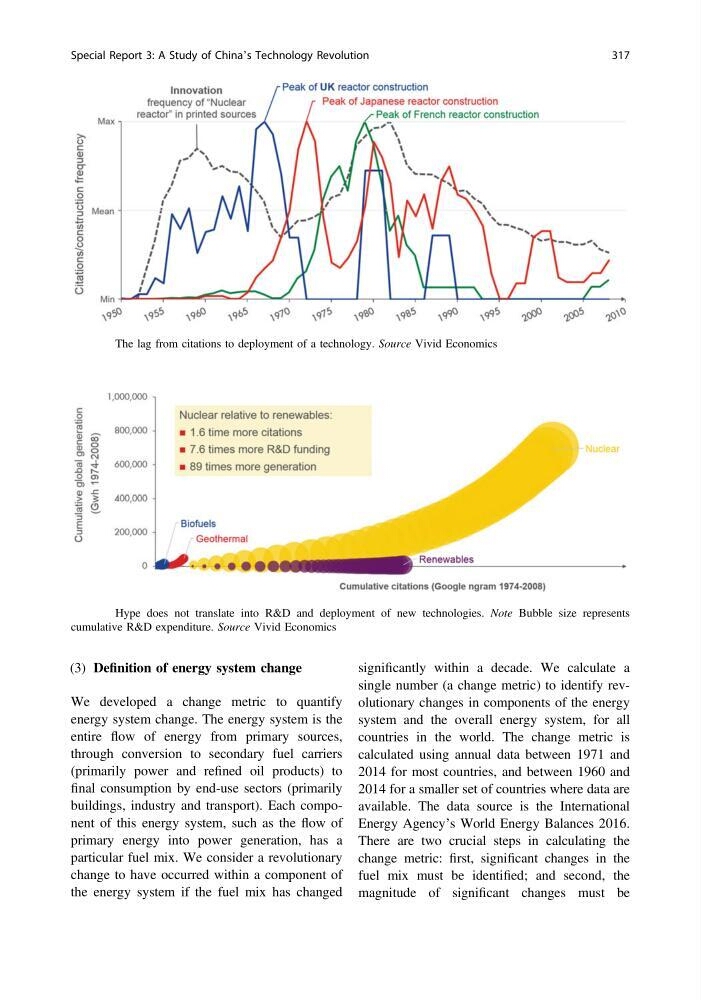
Fig. 19 The lag from citations to deployment of a technology. Source Vivid Economics
Fig. 20 Hype does not translate into R&D and deployment of new technologies. Note Bubble size represents
cumulative R&D expenditure. Source Vivid Economics
Special Report 3: A Study of China’s Technology Revolution
317
We developed a change metric to quantify
energy system change. The energy system is the
entire flow of energy from primary sources,
through conversion to secondary fuel carriers
(primarily power and refined oil products) to
final consumption by end-use sectors (primarily
buildings, industry and transport). Each component of this energy system, such as the flow of
primary energy into power generation, has a
particular fuel mix. We consider a revolutionary
change to have occurred within a component of
the energy system if the fuel mix has changed
significantly within a decade. We calculate a
single number (a change metric) to identify revolutionary changes in components of the energy
system and the overall energy system, for all
countries in the world. The change metric is
calculated using annual data between 1971 and
2014 for most countries, and between 1960 and
2014 for a smaller set of countries where data are
available. The data source is the International
Energy Agency’s World Energy Balances 2016.
There are two crucial steps in calculating the
change metric: first, significant changes in the
fuel mix must be identified; and second, the
magnitude of significant changes must be
Fig. 19 The lag from citations to deployment of a technology. Source Vivid Economics
Fig. 20 Hype does not translate into R&D and deployment of new technologies. Note Bubble size represents
cumulative R&D expenditure. Source Vivid Economics
Special Report 3: A Study of China’s Technology Revolution
317