

determines the potential for electrification,
including urbanisation level, share of heavy
industry, climate and resource endowment. For
example, a highly urbanised and heavy-industry
oriented country typically has a higher electrification level.
After controlling for technological progress
and country-specific effects, the income effect on
electrification is significantly reduced. An economy growing from $15,000 per capita to $40,000
per capita can expect to increase electrification
by around 4 percentage points, when controlled
for technological progress and country-specific
effects (Figs. 53, 54 and 55).
China’s electrification rate could increase
from 23 to 32% by 2050, based on historical
international experience of macroeconomic drivers. Increase in income leads to an increase in
electrification of 5 percentage points, and technological progress adds another 6 percentage
points. Structural change decreases electrification
by 3 percentage points, as the share of energy use
for transport (currently the least electrified) rises
by 7 percentage points, whereas the share of
industry (currently the most electrified) falls by 6
percentage points (Fig. 56).
6.2 Decarbonisation Drivers
of Electrification
Decarbonisation is expected to accelerate electrification and lead to somewhat higher overall
rates. For example, the median of low-carbon
scenarios analysed by the Intergovernmental
Panel on Climate Change puts global electrification at 35% in 2050, compared to 30% for the
median of high-carbon scenarios. This is because
electricity can be decarbonised with relative ease
compared to other energy carriers, and there are
electricity alternatives to conventional technologies in transport, buildings and industry.
Transport
Transport has the greatest scope for electrification, with just 1% of transport energy powered
by electricity in OECD countries. Infrastructure
is key for light-duty vehicle electrification, while
freight and air electrification are limited by
technical constraints.
Light-duty vehicles: High costs to consumers
and development of charging infrastructure,
particularly fast charging stations in high-density
urban areas, constrain uptake. Range anxiety
remains a behavioural barrier. However, these
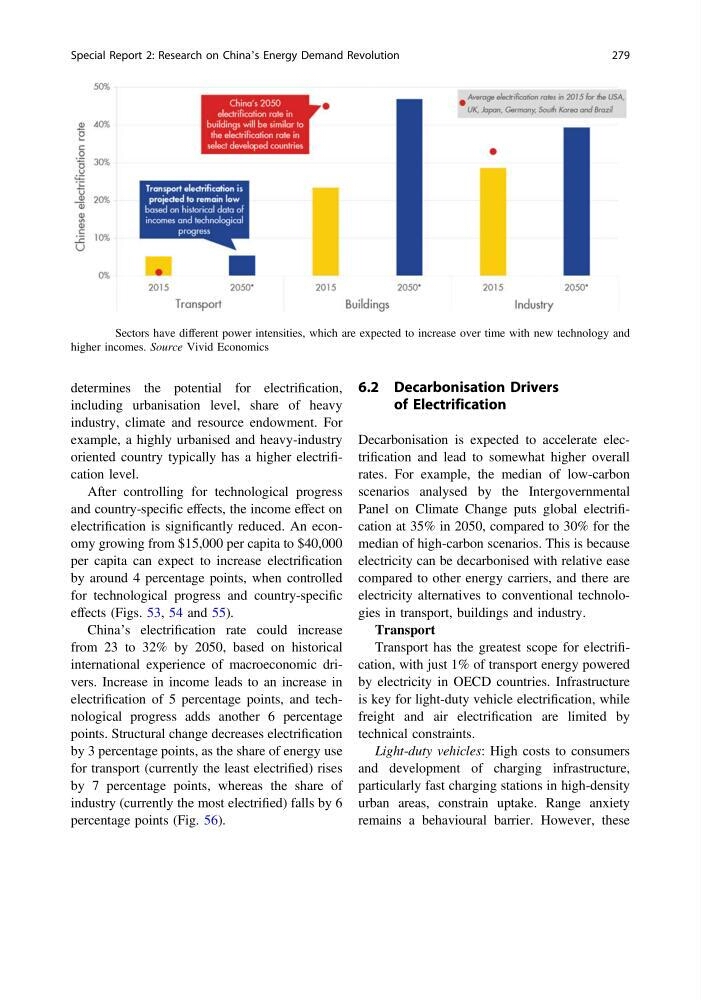
Fig. 52 Sectors have different power intensities, which are expected to increase over time with new technology and
higher incomes. Source Vivid Economics
Special Report 2: Research on China’s Energy Demand Revolution
279
including urbanisation level, share of heavy
industry, climate and resource endowment. For
example, a highly urbanised and heavy-industry
oriented country typically has a higher electrification level.
After controlling for technological progress
and country-specific effects, the income effect on
electrification is significantly reduced. An economy growing from $15,000 per capita to $40,000
per capita can expect to increase electrification
by around 4 percentage points, when controlled
for technological progress and country-specific
effects (Figs. 53, 54 and 55).
China’s electrification rate could increase
from 23 to 32% by 2050, based on historical
international experience of macroeconomic drivers. Increase in income leads to an increase in
electrification of 5 percentage points, and technological progress adds another 6 percentage
points. Structural change decreases electrification
by 3 percentage points, as the share of energy use
for transport (currently the least electrified) rises
by 7 percentage points, whereas the share of
industry (currently the most electrified) falls by 6
percentage points (Fig. 56).
6.2 Decarbonisation Drivers
of Electrification
Decarbonisation is expected to accelerate electrification and lead to somewhat higher overall
rates. For example, the median of low-carbon
scenarios analysed by the Intergovernmental
Panel on Climate Change puts global electrification at 35% in 2050, compared to 30% for the
median of high-carbon scenarios. This is because
electricity can be decarbonised with relative ease
compared to other energy carriers, and there are
electricity alternatives to conventional technologies in transport, buildings and industry.
Transport
Transport has the greatest scope for electrification, with just 1% of transport energy powered
by electricity in OECD countries. Infrastructure
is key for light-duty vehicle electrification, while
freight and air electrification are limited by
technical constraints.
Light-duty vehicles: High costs to consumers
and development of charging infrastructure,
particularly fast charging stations in high-density
urban areas, constrain uptake. Range anxiety
remains a behavioural barrier. However, these
Fig. 52 Sectors have different power intensities, which are expected to increase over time with new technology and
higher incomes. Source Vivid Economics
Special Report 2: Research on China’s Energy Demand Revolution
279