

and their impact in the short term will be limited.
In the context of energy saving, emissions
reduction and combating climate change, introducing additional policy mechanisms to regulate
the future evolution of the energy system would
be a logical step to achieving the energy transition
and energy revolution goals.
3.4.3 The Effects of Energy Price Policy
on Energy Demand
The above analysis shows that policy mechanisms are essential to control total energy demand
and adjust the energy mix. This study introduces
two policy mechanisms that affect energy prices
in the energy, economy and environment (3E)
model: carbon pricing (for fossil energy
emissions) and non-fossil energy subsidies. Carbon pricing determines the price of fossil energy
emissions and turns them into a cost, thereby
reducing the price competitiveness of fossil fuels.
Subsidies, on the other hand, increase the relative
price competitiveness of non-fossil energy.
This study assumes that China’s national
carbon pricing mechanism was introduced in
2015. We set three carbon price scenarios (high,
medium and low: $90 per tonne of carbon (tC),
$60/tC and $30/tC respectively), and assumed an
average annual growth rate of 5% for carbon
prices in the future. We based non-fossil energy
subsidies on China’s current renewable energy
subsidy policy. We set two scenarios (a price
subsidy of 20% and 30% respectively) and
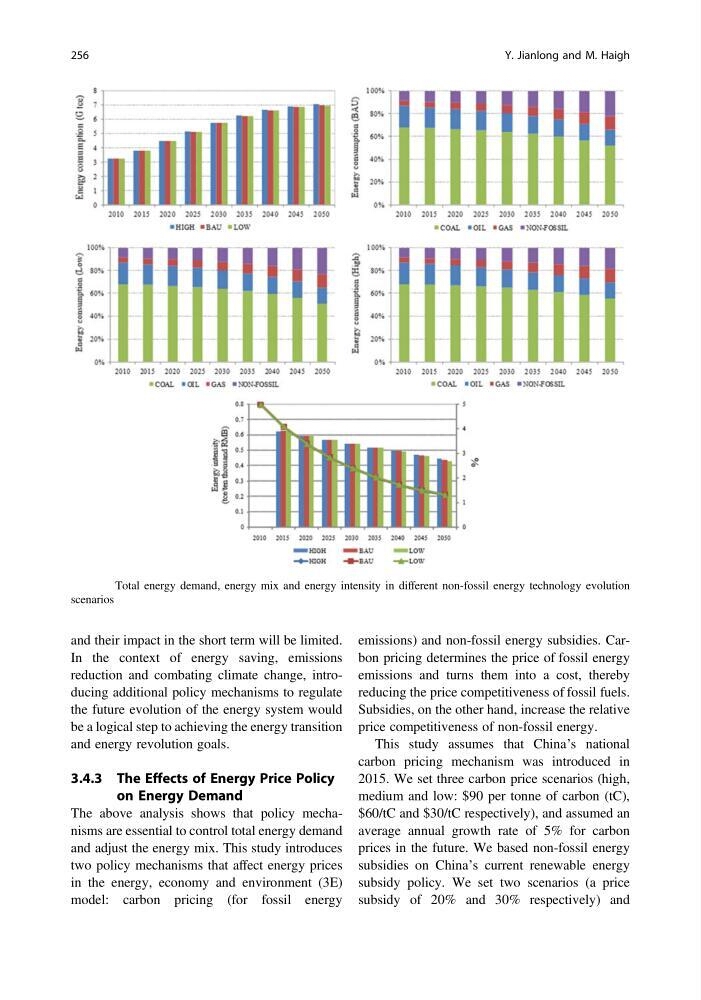
Fig. 39 Total energy demand, energy mix and energy intensity in different non-fossil energy technology evolution
scenarios
256
Y. Jianlong and M. Haigh
In the context of energy saving, emissions
reduction and combating climate change, introducing additional policy mechanisms to regulate
the future evolution of the energy system would
be a logical step to achieving the energy transition
and energy revolution goals.
3.4.3 The Effects of Energy Price Policy
on Energy Demand
The above analysis shows that policy mechanisms are essential to control total energy demand
and adjust the energy mix. This study introduces
two policy mechanisms that affect energy prices
in the energy, economy and environment (3E)
model: carbon pricing (for fossil energy
emissions) and non-fossil energy subsidies. Carbon pricing determines the price of fossil energy
emissions and turns them into a cost, thereby
reducing the price competitiveness of fossil fuels.
Subsidies, on the other hand, increase the relative
price competitiveness of non-fossil energy.
This study assumes that China’s national
carbon pricing mechanism was introduced in
2015. We set three carbon price scenarios (high,
medium and low: $90 per tonne of carbon (tC),
$60/tC and $30/tC respectively), and assumed an
average annual growth rate of 5% for carbon
prices in the future. We based non-fossil energy
subsidies on China’s current renewable energy
subsidy policy. We set two scenarios (a price
subsidy of 20% and 30% respectively) and
Fig. 39 Total energy demand, energy mix and energy intensity in different non-fossil energy technology evolution
scenarios
256
Y. Jianlong and M. Haigh