

is approaching levels of income where the relationship between GDP per capita and service
demand begins to plateau. By identifying structural change and understanding the impact of
policy on service demand, China’s decision
makers can develop policies to guide service and
energy demand, thus maximising benefits and
avoiding wasted investment.
Transport demand tends to plateau at a very
high level of GDP per capita, but large
infrastructure projects like high-speed rail may
enable China to follow a completely different
pathway. International experience suggests that
transport service demand increases almost linearly with income. Before applying this trend to
China, it is necessary to understand China’s
unique context. For instance, China has developed its high-speed rail network faster than any
other country. Before April 2007, China had no
high-speed rail; now it has more kilometres of
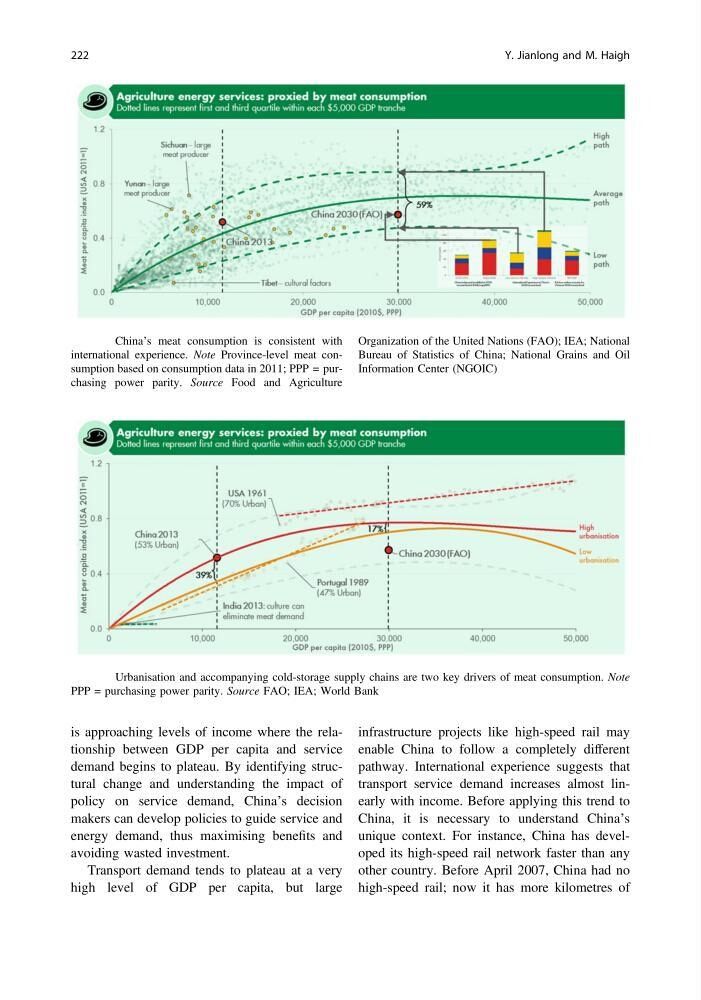
Fig. 10 China’s meat consumption is consistent with
international experience. Note Province-level meat consumption based on consumption data in 2011; PPP = purchasing power parity. Source Food and Agriculture
Organization of the United Nations (FAO); IEA; National
Bureau of Statistics of China; National Grains and Oil
Information Center (NGOIC)
Fig. 11 Urbanisation and accompanying cold-storage supply chains are two key drivers of meat consumption. Note
PPP = purchasing power parity. Source FAO; IEA; World Bank
222
Y. Jianlong and M. Haigh
demand begins to plateau. By identifying structural change and understanding the impact of
policy on service demand, China’s decision
makers can develop policies to guide service and
energy demand, thus maximising benefits and
avoiding wasted investment.
Transport demand tends to plateau at a very
high level of GDP per capita, but large
infrastructure projects like high-speed rail may
enable China to follow a completely different
pathway. International experience suggests that
transport service demand increases almost linearly with income. Before applying this trend to
China, it is necessary to understand China’s
unique context. For instance, China has developed its high-speed rail network faster than any
other country. Before April 2007, China had no
high-speed rail; now it has more kilometres of
Fig. 10 China’s meat consumption is consistent with
international experience. Note Province-level meat consumption based on consumption data in 2011; PPP = purchasing power parity. Source Food and Agriculture
Organization of the United Nations (FAO); IEA; National
Bureau of Statistics of China; National Grains and Oil
Information Center (NGOIC)
Fig. 11 Urbanisation and accompanying cold-storage supply chains are two key drivers of meat consumption. Note
PPP = purchasing power parity. Source FAO; IEA; World Bank
222
Y. Jianlong and M. Haigh