

energy services to be outside the range of most
international experience at that income level
(Fig. 9).
Income inequality can restrict energy access
and result in low energy service demand at a
higher income level. In international experience,
income inequality plays an important role in
explaining the variation between the high and
low pathways at a given income level. This is
especially the case at China’s 2013 income level,
where income inequality explains the 53% variation in high and low demand for energy services
in buildings. If China’s development is accompanied by an increase in income equality, a
higher level of building energy services should
be provided than if income growth was unequal.
1.1.4 Agriculture
China’s agriculture energy service demand is
consistent with that of most countries, with only
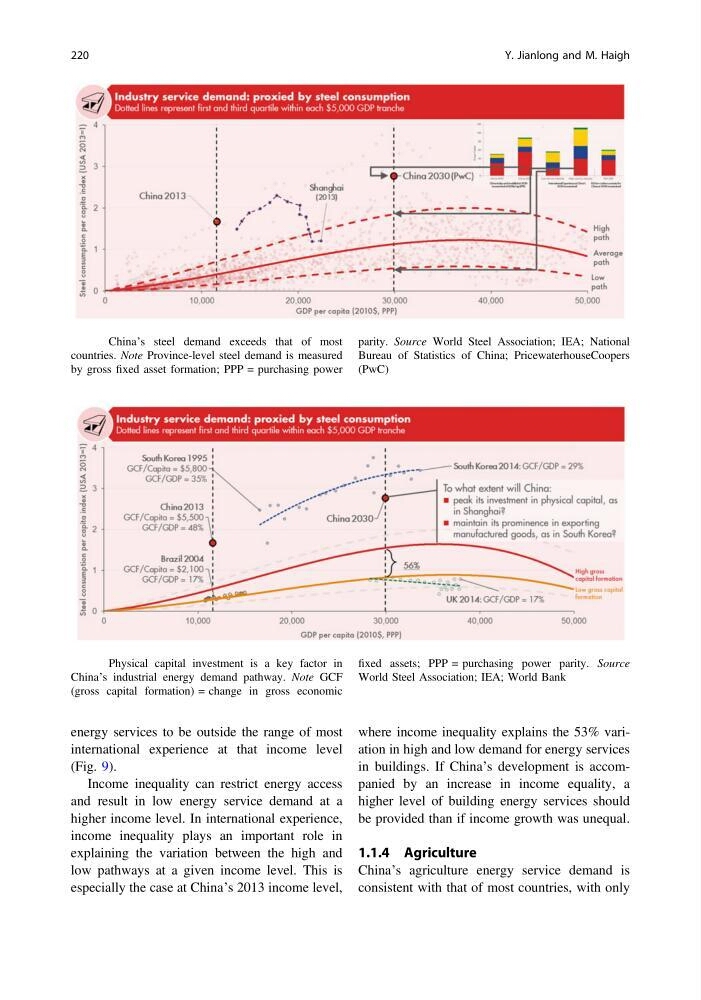
Fig. 7 China’s steel demand exceeds that of most
countries. Note Province-level steel demand is measured
by gross fixed asset formation; PPP = purchasing power
parity. Source World Steel Association; IEA; National
Bureau of Statistics of China; PricewaterhouseCoopers
(PwC)
Fig. 8 Physical capital investment is a key factor in
China’s industrial energy demand pathway. Note GCF
(gross capital formation) = change in gross economic
fixed assets; PPP = purchasing power parity. Source
World Steel Association; IEA; World Bank
220
Y. Jianlong and M. Haigh
international experience at that income level
(Fig. 9).
Income inequality can restrict energy access
and result in low energy service demand at a
higher income level. In international experience,
income inequality plays an important role in
explaining the variation between the high and
low pathways at a given income level. This is
especially the case at China’s 2013 income level,
where income inequality explains the 53% variation in high and low demand for energy services
in buildings. If China’s development is accompanied by an increase in income equality, a
higher level of building energy services should
be provided than if income growth was unequal.
1.1.4 Agriculture
China’s agriculture energy service demand is
consistent with that of most countries, with only
Fig. 7 China’s steel demand exceeds that of most
countries. Note Province-level steel demand is measured
by gross fixed asset formation; PPP = purchasing power
parity. Source World Steel Association; IEA; National
Bureau of Statistics of China; PricewaterhouseCoopers
(PwC)
Fig. 8 Physical capital investment is a key factor in
China’s industrial energy demand pathway. Note GCF
(gross capital formation) = change in gross economic
fixed assets; PPP = purchasing power parity. Source
World Steel Association; IEA; World Bank
220
Y. Jianlong and M. Haigh