

average return on capital (ROC) has been higher
than the average ROC for oil and gas companies
over the past 10 years. The transition away from
conventional hydrocarbon production was concluded in 2016 when DONG Energy sold its
remaining North Sea oil and gas business. The
company renamed itself Ørsted in October 2017
(Fig. 96).
Denmark’s geographic location has been key
to DONG’s success in offshore wind. Consisting
of the peninsula of Jutland and 443 relatively
small islands, Denmark has a relatively high
population density, which prevents the
large-scale deployment of onshore wind. However, the country has large areas of sea territory
with comparatively shallow waters and
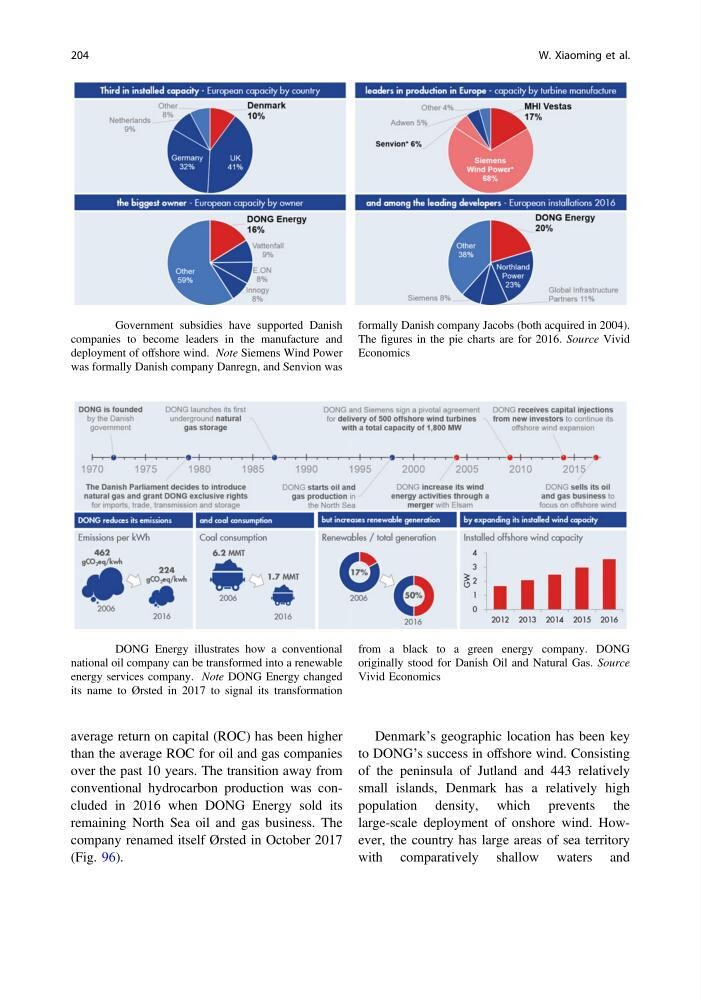
Fig. 95 DONG Energy illustrates how a conventional
national oil company can be transformed into a renewable
energy services company. Note DONG Energy changed
its name to Ørsted in 2017 to signal its transformation
from a black to a green energy company. DONG
originally stood for Danish Oil and Natural Gas. Source
Vivid Economics
Fig. 94 Government subsidies have supported Danish
companies to become leaders in the manufacture and
deployment of offshore wind. Note Siemens Wind Power
was formally Danish company Danregn, and Senvion was
formally Danish company Jacobs (both acquired in 2004).
The figures in the pie charts are for 2016. Source Vivid
Economics
204
W. Xiaoming et al.
than the average ROC for oil and gas companies
over the past 10 years. The transition away from
conventional hydrocarbon production was concluded in 2016 when DONG Energy sold its
remaining North Sea oil and gas business. The
company renamed itself Ørsted in October 2017
(Fig. 96).
Denmark’s geographic location has been key
to DONG’s success in offshore wind. Consisting
of the peninsula of Jutland and 443 relatively
small islands, Denmark has a relatively high
population density, which prevents the
large-scale deployment of onshore wind. However, the country has large areas of sea territory
with comparatively shallow waters and
Fig. 95 DONG Energy illustrates how a conventional
national oil company can be transformed into a renewable
energy services company. Note DONG Energy changed
its name to Ørsted in 2017 to signal its transformation
from a black to a green energy company. DONG
originally stood for Danish Oil and Natural Gas. Source
Vivid Economics
Fig. 94 Government subsidies have supported Danish
companies to become leaders in the manufacture and
deployment of offshore wind. Note Siemens Wind Power
was formally Danish company Danregn, and Senvion was
formally Danish company Jacobs (both acquired in 2004).
The figures in the pie charts are for 2016. Source Vivid
Economics
204
W. Xiaoming et al.