

big owners of wind farms, with DONG Energy
owning 16% of total capacity in Europe. Denmark’s early mover advantage in offshore wind is
still seen in current deployment. For example,
almost 20% of offshore wind installations in
Europe were developed by DONG Energy in
2016. These statistics show that Danish companies continue to play a leading role in the global
offshore wind industry (Fig. 95).
DONG Energy is an excellent example of
how a conventional national oil company can be
transformed into a renewable energy services
company. In 2005, DONG Energy committed
itself to supplying energy that was green, smart
and sustainable. To achieve its transformation
from a conventional power plant operator into a
green energy leader, DONG signed a pivotal
agreement in 2010 to deliver 500 offshore wind
turbines with a total capacity of 1,800 MW, in
collaboration with wind turbine manufacturer
Siemens. As a result, DONG has managed to
achieve more than a 50% reduction in its emissions and to more than double its renewable
generation since 2006. In addition, DONG’s
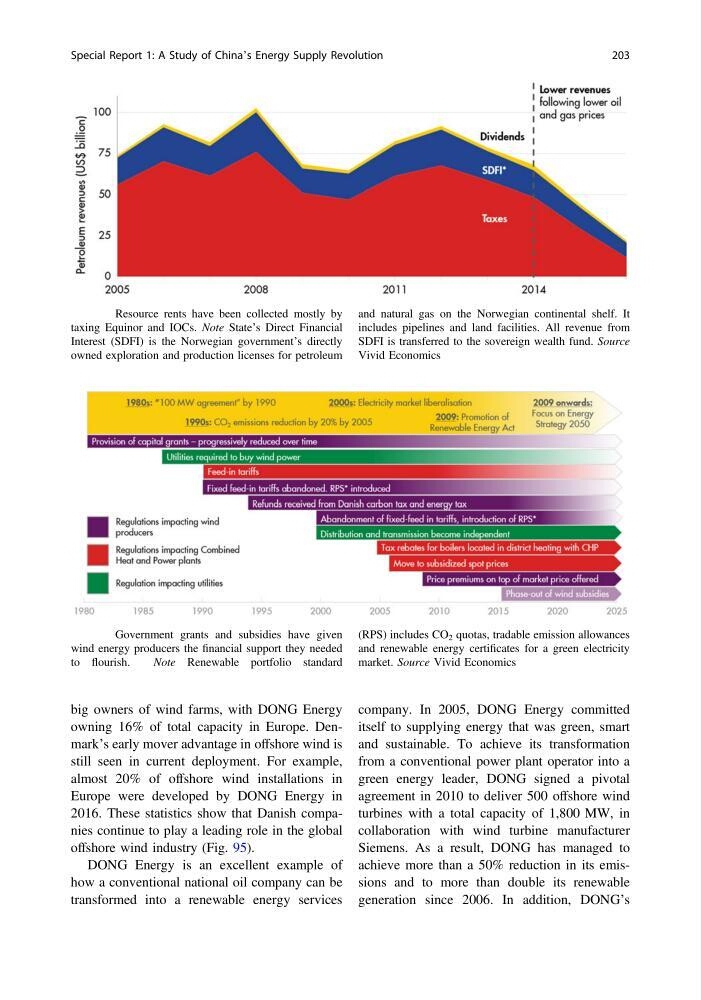
Fig. 93 Government grants and subsidies have given
wind energy producers the financial support they needed
to flourish.
Note Renewable portfolio standard
(RPS) includes CO 2 quotas, tradable emission allowances
and renewable energy certificates for a green electricity
market. Source Vivid Economics
Fig. 92 Resource rents have been collected mostly by
taxing Equinor and IOCs. Note State’s Direct Financial
Interest (SDFI) is the Norwegian government’s directly
owned exploration and production licenses for petroleum
and natural gas on the Norwegian continental shelf. It
includes pipelines and land facilities. All revenue from
SDFI is transferred to the sovereign wealth fund. Source
Vivid Economics
Special Report 1: A Study of China’s Energy Supply Revolution
203
owning 16% of total capacity in Europe. Denmark’s early mover advantage in offshore wind is
still seen in current deployment. For example,
almost 20% of offshore wind installations in
Europe were developed by DONG Energy in
2016. These statistics show that Danish companies continue to play a leading role in the global
offshore wind industry (Fig. 95).
DONG Energy is an excellent example of
how a conventional national oil company can be
transformed into a renewable energy services
company. In 2005, DONG Energy committed
itself to supplying energy that was green, smart
and sustainable. To achieve its transformation
from a conventional power plant operator into a
green energy leader, DONG signed a pivotal
agreement in 2010 to deliver 500 offshore wind
turbines with a total capacity of 1,800 MW, in
collaboration with wind turbine manufacturer
Siemens. As a result, DONG has managed to
achieve more than a 50% reduction in its emissions and to more than double its renewable
generation since 2006. In addition, DONG’s
Fig. 93 Government grants and subsidies have given
wind energy producers the financial support they needed
to flourish.
Note Renewable portfolio standard
(RPS) includes CO 2 quotas, tradable emission allowances
and renewable energy certificates for a green electricity
market. Source Vivid Economics
Fig. 92 Resource rents have been collected mostly by
taxing Equinor and IOCs. Note State’s Direct Financial
Interest (SDFI) is the Norwegian government’s directly
owned exploration and production licenses for petroleum
and natural gas on the Norwegian continental shelf. It
includes pipelines and land facilities. All revenue from
SDFI is transferred to the sovereign wealth fund. Source
Vivid Economics
Special Report 1: A Study of China’s Energy Supply Revolution
203